

The lean methodology is a continuous process of product development to meet customers’ needs. It was in part borrowed by the auto industry, and its roots are found in the Toyota Production System, which was heavily influenced by Henry Ford’s assembly line system. The lean methodology is, therefore, an evolution from lean manufacturing, based on continuous improvement.
| Company | Industry/Application | Application of Lean Principles | Results/Outcomes |
|---|---|---|---|
| Toyota | Automotive Manufacturing | Lean Manufacturing, Just-in-Time, continuous improvement | Leading automaker, efficient production, high quality. |
| Amazon | E-commerce, Technology | Supply chain optimization, customer-centricity | E-commerce giant, efficient logistics, customer focus. |
| Boeing | Aerospace and Defense | Lean production processes, Value Stream Mapping | Improved production efficiency, cost reduction. |
| Starbucks | Food and Beverage | Store operations optimization, efficient layout | Global coffee chain, consistent quality, customer loyalty. |
| General Electric (GE) | Conglomerate | Lean Six Sigma, quality improvement | Competitive across industries, quality products. |
| Ford | Automotive Manufacturing | Lean Manufacturing, waste reduction | Improved vehicle quality, competitiveness in the industry. |
| Nike | Sportswear and Apparel | Supply chain optimization, reduced lead times | Global sportswear leader, efficient production. |
| Intel | Semiconductor Manufacturing | Lean principles in manufacturing | Leadership in the semiconductor industry, high-quality products. |
| John Deere | Agriculture and Machinery | Lean principles in manufacturing | Renowned manufacturer, high-quality agricultural equipment. |
| Southwest Airlines | Airlines | Lean principles in operations, quick turnarounds | Efficient airline, low costs, high customer satisfaction. |
| Danaher Corporation | Conglomerate | Lean Six Sigma, continuous improvement | Diverse range of high-quality products, operational excellence. |
| LeanCor Supply Chain Group | Supply Chain Consulting | Lean supply chain practices | Supply chain optimization, improved efficiency for clients. |
| Nike | Sportswear and Apparel | Lean principles in manufacturing and design | Reduced lead times for product launches, innovation. |
| Dell | Computer Technology | Lean supply chain and manufacturing practices | Efficient production and delivery, customization options. |
| FedEx | Logistics and Package Delivery | Lean principles in logistics and operations | Reliable package delivery, efficient logistics. |
| Procter & Gamble (P&G) | Consumer Goods Manufacturing | Lean principles in production and supply chain | Efficient production of household and personal care products. |
| Target | Retail | Lean principles in supply chain and store operations | Efficient retail operations, customer satisfaction. |
| Lean Enterprise Institute | Lean Consulting and Training | Promoting Lean thinking and methodologies | Spreading Lean principles and best practices through education and consulting. |
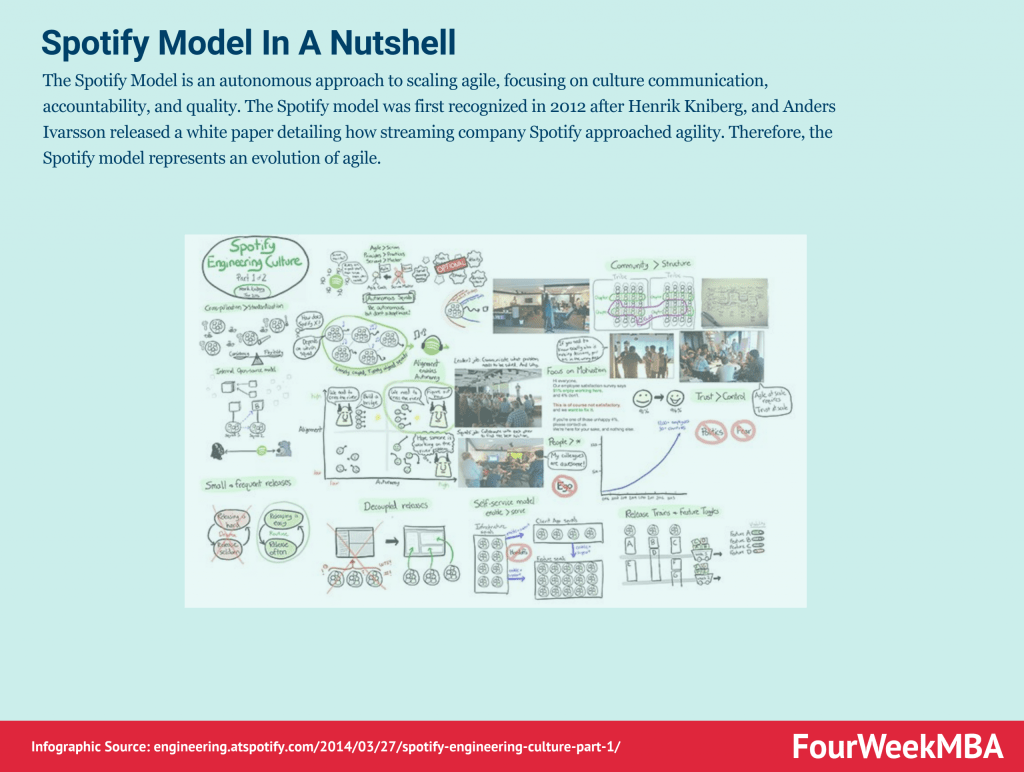
| Spotify | Music Streaming and Technology | Lean startup principles in product development | Rapid innovation and feature development, customer growth. |
| Kaiser Permanente | Healthcare | Lean principles in healthcare operations | Improved patient care processes, reduced costs. |
A look into Kaizen and the roots of the Lean Methodology

Kaizen is actually a process that developed out of the auto industry.
Its most infamous roots are found in the Toyota Production System, which was heavily influenced by Henry Ford’s assembly line system.

In the 1930s a team from the Toyota Motor Company visited Henry Ford’s plant.
At the time, Toyota was producing just 40 automobiles per day, while Ford was producing 8,000.
Toyota decided to implement many of Ford’s techniques, but a visit by one of the lead engineers to the local Piggly-Wiggly gave him an inspiration which significantly advanced the basics of Ford’s system.
Kaizen didn’t gain international popularity, however, until the 1980s when a Japanese organizational theorist and management consultant named Masaaki Imai founded the Kaizen Institute Consulting Group to help introduce the concepts of Kaizen to western businesses.
Quick Intro To Lean Thinking
In their book, Lean Thinking, James P. Womack, and Daniel T. Jones highlighted the key principles for lean thinking and the basis of the lean methodology.
Lean Thinking, based on the study of the Toyota Production System, looked at five key guiding principles for process improvement, mainly focused on waste reduction: value, value streams, flow, pull and perfection.
Value
The lean thinking paradigm starts by defining value from the customer standpoint.

Value can take many forms and shapes, and it can be a practical value (helping solving problems and pain points), perceived value (to establish status), or brand value (trust, switching costs).
And this is the foundation of the lean thinking methodology.
Value Streams
Once defined how the customer perceives value, it’s important to ma it out and identifies the stream, the steps the customer tasks to get that value, and how each step contributes to delivering it.
Once identified the value streams, it is possible to identify the activities that add value to the customer and those that do not.
And the latter need to be removed, as the lean methodology is a method of process improvement and, and foremost of waste reduction.
Flow
Once the value stream has been improved to remove wastes and add only the activities that add value to the final customer, it’s important to check the flow and ensure that the whole value-creating process is smooth and in case reconfigure the steps taken by customers to in case enable that flow.
Pull
Pull is all about avoiding wastes and have in place a just-in-time system, built from the ground up, on the customers’ needs.
Perfection
This is what makes lean thinking a continuous, always evolving process, a process that looks at perfecting each step of the way, which requires continuous tweaking, feedback loop and revisiting of the various steps with which value is created and delivered.
Quick Intro to Agile And Lean Startup Movements
In 2001, a group of seventeen software developers met to discuss these lightweight development methods, with the aim of challenging the old assumption of heavyweight software development.
They forged “The Agile Alliance,” as a group of independent thinkers about software development, which agreed on the Manifesto for Agile Software Development.


Steve Blank launched the Lean Startup Movement, which, as he explained in a 2013 HBR article, “Why the Lean Start-Up Changes Everything:”
It’s a methodology called the “lean start-up,” and it favors experimentation over elaborate planning, customer feedback over intuition, and iterative design over traditional “big design up front” development.
Today startups take this methodology for granted. Yet, at the time, this was an innovation, as Steve Blank recounted:
Although the methodology is just a few years old, its concepts—such as “minimum viable product” and “pivoting”—have quickly taken root in the start-up world, and business schools have already begun adapting their curricula to teach them.

Some of the key aspects of the lean startup movement is based on using a “scientific method” and a process of creating, launching, and growing a startup.
This focuses on getting insights as quickly as possible from customers without focusing too much on business planning.
As Steve Blank remarked in his 2013 article:
A business plan is essentially a research exercise written in isolation at a desk before an entrepreneur has even begun to build a product. The assumption is that it’s possible to figure out most of the unknowns of a business in advance, before you raise money and actually execute the idea.
Once the money is raised:
Developers invest thousands of man-hours to get it ready for launch, with little if any customer input. Only after building and launching the product does the venture get substantial feedback from customers—when the sales force attempts to sell it. And too often, after months or even years of development, entrepreneurs learn the hard way that customers do not need or want most of the product’s features.
In the lean startup movement and methodology, three things are critically important.
In fact, those are the new pillars that challenged the old assumption of how an enterprise should look like have allowed the lean startup movement, thus the lean startup canvas.
In the HBR article, Steve Blank remarks the waste of time a five-year business plan represents:
No one besides venture capitalists and the late Soviet Union requires five-year plans to forecast complete unknowns. These plans are generally fiction, and dreaming them up is almost always a waste of time.
Start-ups are not smaller versions of large companies
One of the critical differences is that while existing companies execute a business model, start-ups look for one
This point is critical because of a large organization or existing companies operating with known business models.
The lean startup instead iterates until it finds a business model that fits that startup. In fact, Steve Blank defines the lean startup as:
a temporary organization designed to search for a repeatable and scalable business model
It is crucial to emphasize the fact that the business model needs to be repeatable and scalable.
Toward Continuous Innovation In Business


When to Use Lean Methodology:
Lean methodology is valuable in various scenarios:
- Operational Efficiency: Organizations looking to streamline their operations and reduce waste can apply Lean principles.
- Cost Reduction: Lean can help reduce operational costs by eliminating unnecessary steps and activities.
- Quality Improvement: It is useful for improving product or service quality by identifying and addressing defects and errors.
- New Product Development: Lean principles can be applied to the development of new products or services to optimize processes and reduce time to market.
- Service Industries: Lean is not limited to manufacturing and is applicable in service industries, healthcare, and software development.
How to Implement Lean Methodology Effectively:
To effectively implement Lean methodology, consider the following steps:
- Value Stream Mapping: Identify and map the entire value stream to understand the flow of work and areas of waste.
- Identify Waste: Identify the eight types of waste in Lean, including overproduction, waiting, defects, and unused employee skills.
- Standardize Work: Develop and standardize work processes and procedures to ensure consistency and reduce variability.
- Implement Pull Systems: Implement pull systems to align production with customer demand, reducing overproduction.
- Continuous Improvement: Foster a culture of continuous improvement by encouraging employees to identify and address waste.
- Employee Training: Provide training and education to ensure employees understand Lean principles and can apply them effectively.
Drawbacks and Limitations of Lean Methodology:
While Lean methodology offers significant benefits, it also has certain drawbacks and limitations:
- Resource Intensity: Implementing Lean can require significant time, resources, and cultural changes.
- Resistance to Change: Employees may resist changes associated with Lean, especially if they perceive them as disruptive.
- Complexity: Lean can be complex to implement in large organizations or in industries with unique operational requirements.
- Not a One-Size-Fits-All: Lean may not be suitable for all industries or organizations, and some may require modifications to fit their specific needs.
What to Expect from Implementing Lean Methodology:
Implementing Lean methodology can lead to several outcomes and benefits:
- Efficiency Improvement: Expect significant improvements in operational efficiency through waste reduction and process optimization.
- Cost Reduction: Lean often results in lower operational costs by eliminating unnecessary activities and reducing errors.
- Quality Enhancement: Improved quality is a common outcome as defects and errors are systematically addressed.
- Employee Engagement: Lean encourages employee engagement and empowerment, leading to a more motivated workforce.
- Customer Satisfaction: Enhanced value delivery and reduced lead times contribute to higher customer satisfaction.
Related Business Frameworks:
- Six Sigma: Six Sigma complements Lean by focusing on reducing defects and variability in processes, aligning with Lean’s goal of improving quality.
- Total Quality Management (TQM): TQM emphasizes customer satisfaction and continuous improvement, aligning with Lean’s principles of quality enhancement and waste reduction.
- Kaizen: Kaizen is a key element of Lean, emphasizing continuous improvement and employee involvement.
- Kanban: Kanban is a visual management tool often used in Lean to control and optimize workflow.
- Agile Methodology: In software development and project management, Agile methodologies share principles with Lean, such as iterative development and customer-centricity.
Conclusion:
Lean methodology represents a powerful approach to improving efficiency, reducing waste, and enhancing value delivery across various industries.
Its principles of value focus, continuous improvement, and respect for people continue to shape modern business practices.
While acknowledging its potential resource intensity and challenges, many organizations embrace Lean methodology to optimize their operations and drive sustainable success in today’s competitive business landscape.
Case Studies
1. Toyota:
- Industry: Automotive
- Application: Toyota is often considered the pioneer of Lean Manufacturing and Lean Thinking. They implemented principles like Just-in-Time production, reducing waste, and continuous improvement.
- Results: Toyota became one of the world’s leading automakers, known for its efficient production processes and high-quality vehicles.
2. Amazon:
- Industry: E-commerce and Technology
- Application: Amazon uses Lean principles in its supply chain and fulfillment centers to minimize waste and optimize operations. They also emphasize customer-centricity and continuous improvement in their processes.
- Results: Amazon has become one of the largest and most successful e-commerce companies globally, with efficient logistics and a reputation for customer satisfaction.
3. Boeing:
- Industry: Aerospace and Defense
- Application: Boeing applied Lean principles to streamline its aircraft production processes, including Value Stream Mapping and continuous improvement.
- Results: Boeing improved production efficiency, reduced costs, and maintained a competitive edge in the aerospace industry.
4. Starbucks:
- Industry: Food and Beverage
- Application: Starbucks uses Lean principles to optimize its store operations, reduce wait times, and ensure consistent product quality. They focus on efficient layout and work processes.
- Results: Starbucks has achieved global success and customer loyalty by consistently delivering quality coffee and customer experiences.
5. GE (General Electric):
- Industry: Conglomerate (diverse industries)
- Application: GE applies Lean Six Sigma principles to improve efficiency, reduce defects, and enhance product quality across its various business units.
- Results: GE’s commitment to Lean Six Sigma has contributed to its competitiveness and leadership in industries like aviation, healthcare, and energy.
6. Ford:
- Industry: Automotive
- Application: Ford, influenced by Toyota’s Lean principles, has implemented Lean Manufacturing in its production processes. They focus on reducing waste and increasing efficiency.
- Results: Ford has improved the quality of its vehicles and remained a major player in the automotive industry.
7. Nike:
- Industry: Sportswear and Apparel
- Application: Nike uses Lean principles to optimize its supply chain and manufacturing processes. They focus on reducing lead times and improving product customization.
- Results: Nike remains a global leader in sportswear, known for its efficient production and innovative product offerings.
8. Intel:
- Industry: Semiconductor Manufacturing
- Application: Intel applies Lean principles to semiconductor manufacturing to reduce defects and enhance production efficiency.
- Results: Intel’s focus on Lean has contributed to its leadership in the semiconductor industry, producing high-quality microprocessors.
9. John Deere:
- Industry: Agriculture and Machinery
- Application: John Deere employs Lean principles in its manufacturing processes, including continuous improvement and waste reduction.
- Results: John Deere is a renowned manufacturer of agricultural and construction equipment, known for its quality and efficiency.
10. Southwest Airlines:
- Industry: Airlines
- Application: Southwest Airlines emphasizes Lean principles in its operations, focusing on quick aircraft turnaround times, simplified processes, and employee empowerment.
- Results: Southwest has become one of the most efficient and profitable airlines globally, with low operating costs and high customer satisfaction.
Key Highlights
- Lean Methodology and Lean Thinking:
- The Lean methodology is a continuous process of product development aimed at meeting customers’ needs.
- It has roots in the auto industry and the Toyota Production System, influenced by Henry Ford’s assembly line system.
- Lean Thinking, based on the Toyota Production System, focuses on waste reduction and process improvement.
- Lean Thinking is guided by five principles: value, value streams, flow, pull, and perfection.
- These principles emphasize understanding customer value, optimizing processes, ensuring smooth flow, responding to customer demand, and striving for continuous improvement.
- Kaizen and Lean Methodology:
- Kaizen, a process of continuous improvement, developed in the auto industry and was influenced by the Toyota Production System.
- The term “Kaizen” means “change for the better” and involves making small incremental changes and involving everyone.
- Lean Startup Movement:
- The Lean Startup Movement was launched by Steve Blank and focuses on experimentation, customer feedback, and iterative design.
- It contrasts with traditional business planning, emphasizing quick insights from customers rather than extensive upfront planning.
- Startups are seen as temporary organizations searching for repeatable and scalable business models.
- The Lean Startup approach challenges the idea of lengthy business plans and emphasizes finding a business model that fits the startup’s needs.
- Continuous Innovation and Lean Thinking:
- Continuous innovation is a mindset where products and services are designed around customers’ problems, not just technical solutions.
- Ash Maurya proposed the Continuous Innovation Mindset, emphasizing the importance of a feedback loop for product development and business model refinement.
| Related Frameworks | Description | When to Apply |
|---|---|---|
| Lean Manufacturing | Focuses on maximizing customer value while minimizing waste through the systematic elimination of non-value-added activities. | When optimizing manufacturing or business processes, reducing waste and inefficiencies, or enhancing productivity, quality, and customer satisfaction by adopting lean principles and practices, fostering a culture of continuous improvement and employee empowerment, and streamlining workflows to achieve operational excellence and sustain competitive advantage in dynamic and demanding business environments. |
| Six Sigma | A data-driven approach for improving the quality of process outputs by identifying and removing causes of defects and minimizing variability. | When seeking to reduce defects, errors, and variation in processes, improve quality and customer satisfaction, enhance operational efficiency, and achieve consistent, predictable results through statistical analysis and problem-solving methodologies. |
| Total Quality Management (TQM) | A management approach that aims to embed quality principles and processes throughout the organization to meet or exceed customer expectations. | When aiming to improve product quality, customer satisfaction, and organizational performance by fostering a culture of continuous improvement, employee involvement, and customer focus, and implementing quality management techniques such as process optimization, customer feedback mechanisms, and performance measurement systems. |
| Kaizen | Encourages small, incremental changes in processes and systems to improve efficiency and quality. | When striving for continuous improvement, employee engagement, and problem-solving at all levels of the organization by implementing small, incremental changes to processes, systems, and workflows, fostering a culture of experimentation, learning, and adaptability, and addressing inefficiencies, bottlenecks, and opportunities for improvement on an ongoing basis. |
| Just-in-Time (JIT) | A production strategy that aims to minimize inventory levels and eliminate waste by producing goods only when they are needed, thereby reducing lead times and storage costs. | When aiming to reduce inventory costs, minimize waste, and improve production efficiency by synchronizing production with customer demand, implementing pull-based production systems, reducing setup times, and optimizing material flow and production processes to achieve shorter lead times, lower costs, and improved responsiveness to customer needs. |
| Poka-Yoke | Involves designing processes or equipment to prevent errors or defects from occurring. | When seeking to prevent errors, defects, and mistakes in processes and operations by implementing foolproofing mechanisms, error-proofing devices, and mistake-proofing techniques, reducing rework and waste, improving product quality and reliability, and enhancing overall process efficiency and effectiveness. |
| Kanban | A visual scheduling system that helps manage workflow by signaling when to produce or replenish items based on actual demand. | When needing to visualize and manage workflow, improve efficiency and flow, and reduce inventory and lead times by implementing a visual and pull-based scheduling system, enabling better coordination and communication between teams, and facilitating continuous improvement and adaptation to changing customer demand and market conditions. |
| Theory of Constraints (TOC) | Focuses on identifying the most significant limiting factor (constraint) in a system and systematically improving it to achieve overall organizational goals. | When aiming to identify and eliminate bottlenecks and constraints in processes, optimize resource utilization, and achieve system-wide improvements in productivity, throughput, and profitability by applying TOC principles, implementing continuous improvement initiatives, and aligning operations with strategic objectives and customer needs. |
| 5S Methodology | A systematic approach for organizing and standardizing the workplace to improve efficiency, safety, and productivity by eliminating waste and maintaining an orderly environment. | When seeking to organize and standardize the workplace, improve efficiency, safety, and productivity, and foster a culture of cleanliness, discipline, and continuous improvement by implementing 5S principles and practices, establishing visual controls, and promoting employee involvement and ownership of the work environment and processes. |
| Continuous Improvement | A philosophy that emphasizes ongoing efforts to improve processes, products, or services incrementally over time. | When aiming to foster a culture of continuous improvement, innovation, and learning within an organization, encourage employee engagement and empowerment, and achieve incremental gains in efficiency, quality, and customer satisfaction by implementing CI methodologies such as Kaizen, Lean, and Six Sigma, and promoting open communication and collaboration across teams and departments. |
Connected Agile & Lean Frameworks




Read Also: Continuous Innovation, Agile Methodology, Lean Startup, Business Model Innovation, Project Management.
Read Next: Agile Methodology, Lean Methodology, Agile Project Management, Scrum, Kanban, Six Sigma.
Main Guides:
- Business Models
- Business Strategy
- Business Development
- Distribution Channels
- Marketing Strategy
- Platform Business Models
- Network Effects
Main Case Studies:


