
Depreciation is an accounting method used to allocate the cost of tangible assets, such as buildings, machinery, and vehicles, over their estimated useful lives. It reflects the gradual reduction in the asset’s value due to wear and tear, obsolescence, or the passage of time.
| Aspect | Description |
|---|---|
| Key Elements | 1. Tangible Assets: Depreciation applies primarily to tangible assets, including property, plant, and equipment (PP&E). 2. Useful Life: It considers the expected useful life of the asset, which represents the period over which it is expected to provide economic benefits. 3. Methods: Various depreciation methods, such as straight-line, declining balance, and units-of-production, are used to allocate the asset’s cost. 4. Accounting Entries: Depreciation is recorded in financial statements as an expense, reflecting the portion of the asset’s cost that has been used up during an accounting period. |
| Common Application | Depreciation is a fundamental concept in financial accounting and is used to ensure that a company’s income statement accurately reflects the cost of using its tangible assets over time. It also helps in tax calculations and financial reporting. |
| Example | A manufacturing company purchases machinery for $100,000, with an estimated useful life of 10 years. Each year, it records depreciation expense of $10,000 ($100,000 / 10 years) on its income statement. |
| Importance | Depreciation helps companies accurately match the cost of using tangible assets with the revenue they generate, resulting in more meaningful financial statements, tax benefits, and informed decision-making. |
| Case Study | Implication | Analysis | Example |
|---|---|---|---|
| Asset Valuation and Reporting | Reflecting the value of tangible assets over time. | Depreciation is essential for reporting the accurate value of tangible assets on the balance sheet. It ensures that the asset’s carrying amount reflects its reduced value as it is used over its useful life. | A company owns a fleet of vehicles with a combined cost of $500,000. Over five years, it depreciates the vehicles using the straight-line method, recording an annual depreciation expense of $100,000 to reflect their reduced value. |
| Income Statement Presentation | Accurately matching expenses with revenue. | Depreciation is recorded as an expense on the income statement. By doing so, it reflects the cost of using tangible assets to generate revenue during a specific accounting period, providing a more accurate financial picture. | A manufacturing company reports an annual revenue of $1 million. To calculate net income accurately, it records depreciation expense, reflecting the cost of using machinery and equipment to generate that revenue. |
| Tax Deductions | Reducing taxable income and tax liabilities. | Depreciation allows companies to deduct a portion of the cost of tangible assets from their taxable income. This reduces their tax liability and provides a financial benefit. Tax authorities often have specific rules for depreciation methods and schedules. | A small business purchases office furniture for $10,000. By applying the appropriate depreciation method, the business can deduct a portion of this cost from its taxable income each year, reducing its tax liability. |
| Capital Budgeting and Investment | Evaluating the financial feasibility of projects. | When considering capital expenditures, such as building a new facility or purchasing machinery, companies factor in depreciation to assess the project’s long-term financial impact. Depreciation helps determine the return on investment over time. | A construction company plans to invest $2 million in new equipment. It calculates depreciation over the equipment’s estimated useful life to evaluate the project’s financial viability and ensure it generates a positive return over time. |
| Asset Replacement Planning | Budgeting for the replacement of aging assets. | Depreciation schedules provide insights into the aging of assets and help organizations plan for their eventual replacement. This ensures the availability of funds to acquire new assets as old ones wear out or become obsolete. | A utility company owns a fleet of power generators. By tracking the depreciation of each generator, the company can anticipate when they will need replacement, budget for new acquisitions, and ensure uninterrupted service. |
Defining Depreciation:
Depreciation is the systematic allocation of the cost of an asset over its useful life. It represents the reduction in the asset’s value due to factors like wear and tear, usage, technological advancements, or the passage of time. Depreciation is a vital accounting concept as it helps match the cost of using assets with the revenues generated from those assets over time.
Why Depreciation Matters:
Understanding depreciation is crucial for several reasons:
1. Accurate Financial Reporting:
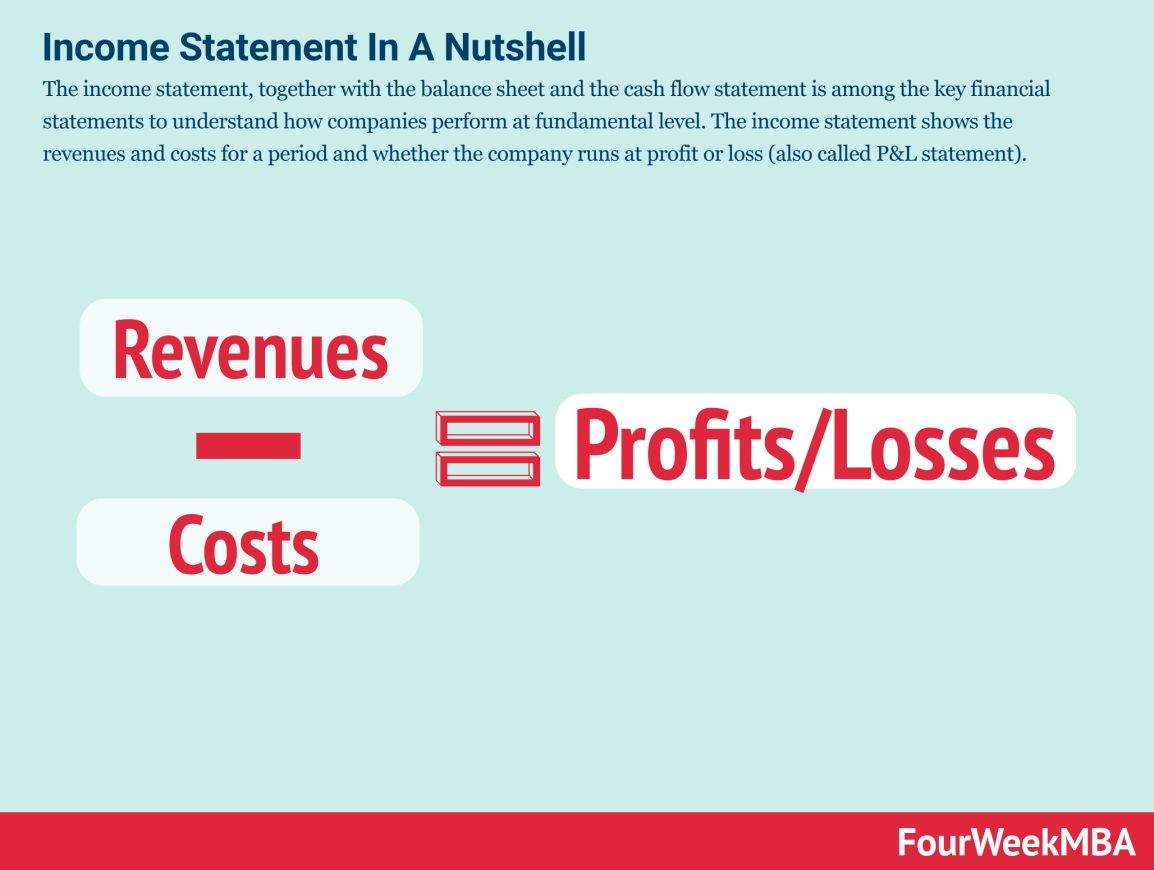
Depreciation allows companies to accurately report the cost of using assets on their income statements, providing a more realistic view of profitability.
2. Tax Deductions:
Many countries allow businesses to deduct depreciation expenses from their taxable income, reducing their tax liability.
3. Asset Replacement Planning:
Depreciation helps businesses plan for the replacement or upgrading of assets when they reach the end of their useful lives.
4. Asset Valuation:
Depreciation impacts the carrying value of assets on the balance sheet, affecting a company’s financial health and ability to secure loans or attract investors.
Methods of Calculating Depreciation:
Several methods can be used to calculate depreciation, each with its own set of rules and assumptions. The choice of method depends on factors such as the nature of the asset, its expected usage, and applicable accounting standards. Here are some common depreciation methods:
1. Straight-Line Depreciation:
This method allocates an equal amount of depreciation expense each year over the asset’s useful life. The formula for straight-line depreciation is:
Depreciation Expense = (Cost of Asset - Salvage Value) / Useful Life
- Cost of Asset: The initial cost of the asset.
- Salvage Value: The estimated residual value of the asset at the end of its useful life.
- Useful Life: The number of years or units of production the asset is expected to be used.
2. Declining Balance Depreciation:
Also known as accelerated depreciation, this method allocates higher depreciation expenses in the earlier years of an asset’s life and lower expenses in later years. Common formulas for declining balance depreciation include the double declining balance and 150% declining balance methods.
3. Units of Production Depreciation:
This method allocates depreciation based on the actual usage or production of the asset. It is suitable for assets that wear out with usage. The formula is:
Depreciation Expense = (Total Units of Production / Expected Total Units) x (Cost of Asset - Accumulated Depreciation)
- Total Units of Production: The actual production or usage of the asset during the accounting period.
- Expected Total Units: The estimated total production or usage over the asset’s useful life.
4. Sum-of-the-Years-Digits Depreciation:
This method allocates more depreciation in the earlier years and less in later years. The formula for sum-of-the-years-digits depreciation is:
Depreciation Expense = (Remaining Useful Life / Sum of the Years' Digits) x (Cost of Asset - Salvage Value)
Financial Impact of Depreciation:
Depreciation has several financial implications for businesses:
1. Reduced Book Value:
Depreciation decreases the book value (or carrying value) of assets on the balance sheet. This reduction reflects the decrease in the asset’s value over time.
2. Lower Taxable Income:
By deducting depreciation expenses, businesses can reduce their taxable income, leading to lower tax payments.
3. Improved Profitability:
While depreciation is a non-cash expense, it impacts a company’s reported net income. As a result, it can make a company appear more profitable than it is from a cash flow perspective.
4. Capital Expenditure Planning:
Depreciation helps businesses plan for the replacement or upgrade of assets by indicating when existing assets will reach the end of their useful lives.
Importance of Proper Depreciation Accounting:
Accurate and consistent depreciation accounting is crucial for several reasons:
1. Compliance with Accounting Standards:
Adhering to accounting standards such as Generally Accepted Accounting Principles (GAAP) or International Financial Reporting Standards (IFRS) ensures that companies report depreciation in a standardized and transparent manner.
2. Investor Confidence:
Investors rely on financial statements to assess a company’s financial health and performance. Proper depreciation accounting enhances investor confidence.
3. Tax Compliance:
Businesses need to accurately report depreciation for tax purposes to ensure they take advantage of allowable tax deductions.
4. Decision-Making:
Depreciation data is essential for budgeting, forecasting, and making informed decisions about asset management and replacement.
Real-World Applications of Depreciation:
Depreciation is a fundamental concept applied in various real-world scenarios:
1. Business Financial Statements:
Companies report depreciation expenses on their income statements and adjust the carrying value of assets on their balance sheets.
2. Taxation:
Businesses use depreciation to reduce their taxable income, leading to lower tax payments.
3. Asset Management:
Proper depreciation accounting helps companies plan for asset replacement, maintenance, and upgrades.
4. Financial Analysis:
Analysts and investors use depreciation data to assess a company’s financial performance and health.
5. Valuation:
Depreciation affects the valuation of companies and their assets, influencing investment and acquisition decisions.
Conclusion:
Depreciation is a fundamental concept in accounting and finance that represents the allocation of an asset’s cost over its useful life. It impacts financial reporting, tax liabilities, asset management, and investment decisions. Understanding the various methods of calculating depreciation and its financial implications is essential for businesses, investors, and financial professionals to ensure accurate financial statements, tax compliance, and effective asset management. Proper depreciation accounting enhances transparency and confidence in financial reporting, enabling informed decision-making in the dynamic world of finance and business.
Connected Financial Concepts






Connected Video Lectures
Read Next: Biases, Bounded Rationality, Mandela Effect, Dunning-Kruger
Read Next: Heuristics, Biases.
Main Free Guides:
- Business Models
- Business Strategy
- Business Development
- Digital Business Models
- Distribution Channels
- Marketing Strategy
- Platform Business Models
- Tech Business Model

