Tommy Hilfiger is a global fashion brand that offers stylish and high-quality clothing and accessories. Its business model focuses on delivering value through affordable luxury, fashion-forward designs, and strong brand reputation. With key activities in design, marketing, and retail operations, Tommy Hilfiger targets fashion-conscious individuals, brand-conscious consumers, and a younger demographic. The brand relies on key resources such as its design team, brand heritage, and global retail network, while forming strategic partnerships with licensing partners, influencers, and retailers. The cost structure involves investments in design, marketing, retail operations, and research and development to stay at the forefront of the fashion industry.
Element
Description
Value Proposition
Tommy Hilfiger offers a compelling value proposition for its customers, including: – Classic American Style: Providing timeless and iconic American fashion. – Quality and Craftsmanship: Delivering high-quality clothing and accessories. – Accessible Luxury: Offering affordable luxury with a premium feel. – Innovation and Trendiness: Incorporating innovative designs and staying on-trend. – Global Brand: Representing a globally recognized and respected brand. – Diversity and Inclusivity: Promoting diversity and inclusivity in marketing and product offerings. – Sustainability: Committing to sustainable and eco-friendly fashion practices.
Core Products/Services
Tommy Hilfiger’s core products and services encompass: – Apparel: Manufacturing a wide range of clothing items, including shirts, jeans, dresses, and outerwear. – Accessories: Producing accessories like handbags, belts, wallets, and eyewear. – Footwear: Designing and selling various types of shoes and sneakers. – Fragrances: Creating a line of perfumes and fragrances. – Watches and Jewelry: Offering watches and jewelry collections. – Eyewear: Manufacturing eyeglasses and sunglasses. – Home Goods: Producing home goods such as bedding and bath collections. – Licensing: Licensing the Tommy Hilfiger brand for various products. – Online Presence: Operating an online store for e-commerce.
Customer Segments
Tommy Hilfiger serves a diverse range of customer segments, including: – Fashion Enthusiasts: Attracting individuals who appreciate classic American style and quality. – Young Adults: Targeting the younger generation seeking trendy and affordable fashion. – Business Professionals: Engaging with professionals for workwear and business-casual attire. – Accessories Shoppers: Serving customers interested in stylish accessories. – Fragrance Aficionados: Attracting consumers looking for Tommy Hilfiger fragrances. – Watch and Jewelry Buyers: Targeting those seeking Tommy Hilfiger timepieces and jewelry. – Eyewear Customers: Engaging with customers in need of eyeglasses and sunglasses. – Home Decor Shoppers: Offering home goods to those looking to decorate their homes. – Global Market: Extending products and services to customers worldwide.
Revenue Streams
Tommy Hilfiger generates revenue through various revenue streams: – Retail Sales: Earnings from the sale of clothing, accessories, footwear, fragrances, and home goods in company-owned and franchised stores. – E-commerce: Revenue from online sales through the official Tommy Hilfiger website. – Wholesale: Income from selling products to third-party retailers and department stores. – Licensing Fees: Earnings from licensing the brand for various products, including eyewear, fragrances, and more. – Collaborations and Limited Editions: Income from special collaborations and limited-edition collections. – Brand Extensions: Revenue from expanding the brand into new product categories.
Distribution Strategy
Tommy Hilfiger employs a strategic distribution strategy to reach customers: – Retail Stores: Utilizing a network of company-owned and franchised retail stores worldwide. – E-commerce: Operating an online store for direct-to-consumer sales. – Wholesale: Partnering with department stores and retailers to distribute products. – Licensing Partners: Collaborating with licensing partners to expand brand reach. – Pop-Up Stores: Hosting pop-up stores and limited-time retail experiences. – Fashion Shows: Hosting fashion shows to showcase new collections and generate buzz. – Social Media: Leveraging social media platforms for marketing and brand engagement. – Marketing and Advertising: Running marketing campaigns to promote products and brand values. – Sustainability Initiatives: Implementing sustainability initiatives and practices.
Fashion Innovation and Style: Tommy Hilfiger offers innovative and stylish fashion collections that reflect the brand’s iconic American heritage and contemporary aesthetic. With a focus on quality craftsmanship, trendsetting designs, and timeless appeal, Tommy Hilfiger provides customers with high-quality apparel, footwear, accessories, and lifestyle products that exude confidence and individuality.
Brand Authenticity and Heritage: Tommy Hilfiger embodies authenticity and heritage, drawing inspiration from its rich history and legacy in the fashion industry. By staying true to its core values of inclusivity, optimism, and accessibility, the brand resonates with diverse audiences worldwide, fostering a sense of belonging and community among customers who embrace its aspirational lifestyle.
Innovative Retail Experiences: Tommy Hilfiger delivers innovative retail experiences that blend physical and digital channels to engage customers and enhance their shopping journey. Through flagship stores, pop-up shops, immersive events, and interactive online platforms, Tommy Hilfiger creates memorable moments and fosters meaningful connections with customers, driving brand loyalty and advocacy.
Sustainability and Social Responsibility: Tommy Hilfiger is committed to sustainability and social responsibility, integrating eco-friendly practices and ethical sourcing into its supply chain and operations. By championing initiatives such as sustainable materials, fair labor practices, and community engagement, Tommy Hilfiger aligns with the values and concerns of environmentally and socially conscious consumers, earning their trust and loyalty.
Revenue Model
Retail Sales: Tommy Hilfiger generates revenue primarily through the sale of its fashion products, including apparel, footwear, accessories, and fragrance collections, through company-owned retail stores, e-commerce platforms, department stores, and authorized retailers worldwide. Retail sales account for a significant portion of the brand’s overall revenue and profitability.
Licensing Agreements: Tommy Hilfiger earns revenue through licensing agreements with third-party manufacturers and distributors who produce and market a wide range of Tommy Hilfiger-branded products, including eyewear, watches, fragrances, home furnishings, and more. These licensing partnerships enable Tommy Hilfiger to expand its product offerings and reach new customer segments while generating royalties and licensing fees.
E-commerce Sales: Tommy Hilfiger generates revenue through online sales via its official e-commerce website and digital channels, offering customers a convenient and seamless shopping experience across desktop, mobile, and app platforms. E-commerce sales contribute to the brand’s overall revenue growth and help drive engagement with digital-savvy consumers.
Wholesale and Distribution: Tommy Hilfiger earns revenue through wholesale and distribution channels by selling its fashion products to department stores, specialty retailers, and international distributors. Wholesale partnerships allow Tommy Hilfiger to reach a broader audience and penetrate new markets while maximizing distribution efficiency and sales volume.
Branded Experiences and Collaborations: Tommy Hilfiger generates revenue through branded experiences, collaborations, and partnerships with influencers, celebrities, and cultural icons. By hosting exclusive events, limited-edition collections, and co-branded initiatives, Tommy Hilfiger creates buzz, drives foot traffic, and boosts sales while enhancing brand visibility and relevance.
Marketing Strategy
Brand Storytelling and Communication: Tommy Hilfiger engages consumers through compelling brand storytelling and communication strategies that highlight its heritage, values, and vision. Through multimedia campaigns, social media content, and experiential marketing activations, Tommy Hilfiger connects with audiences on an emotional level, fostering brand affinity and loyalty.
Celebrity Endorsements and Influencer Partnerships: Tommy Hilfiger leverages celebrity endorsements and influencer partnerships to amplify its brand message and reach new audiences. By collaborating with global icons, fashion influencers, and trendsetters, Tommy Hilfiger enhances its cultural relevance and taps into the aspirational lifestyle aspirations of its target demographic.
Digital and Omnichannel Marketing: Tommy Hilfiger adopts a digital-first approach to marketing, leveraging online channels, social media platforms, and mobile technologies to engage with consumers across the entire customer journey. Through targeted advertising, personalized content, and seamless omnichannel experiences, Tommy Hilfiger enhances brand visibility and drives conversion in both physical and digital retail environments.
Customer Experience and Loyalty Programs: Tommy Hilfiger prioritizes customer experience and loyalty by offering personalized shopping experiences, exclusive rewards, and membership perks through its loyalty programs and customer engagement initiatives. By nurturing long-term relationships with loyal customers, Tommy Hilfiger cultivates brand advocates and drives repeat purchases, driving sustainable revenue growth.
Community Engagement and Corporate Social Responsibility: Tommy Hilfiger demonstrates its commitment to community engagement and corporate social responsibility through philanthropic initiatives, sustainability efforts, and cause-related marketing campaigns. By aligning with social causes, environmental initiatives, and charitable organizations, Tommy Hilfiger connects with socially conscious consumers and reinforces its brand values, driving positive brand perception and differentiation in the marketplace.
Distribution Channels
Retail Stores and Flagship Boutiques: Tommy Hilfiger operates a global network of retail stores and flagship boutiques located in key fashion capitals, urban centers, and premium shopping destinations worldwide. These brick-and-mortar locations serve as brand showcases and experiential hubs, offering customers immersive shopping experiences and personalized service.
E-commerce Platforms and Digital Channels: Tommy Hilfiger sells its products through its official e-commerce website and digital channels, providing customers with convenient access to its full range of fashion collections, exclusive releases, and online-only promotions. E-commerce platforms enable Tommy Hilfiger to reach a broader audience and capture digital-savvy consumers’ preferences and purchase behaviors.
Department Stores and Specialty Retailers: Tommy Hilfiger distributes its products through department stores, specialty retailers, and multi-brand boutiques, leveraging wholesale partnerships to expand its retail footprint and reach customers in diverse geographic markets. By partnering with established retailers, Tommy Hilfiger increases its brand visibility and accessibility to a wider range of consumers.
Licensing Partnerships and Third-party Distributors: Tommy Hilfiger collaborates with licensing partners and third-party distributors to produce and distribute a wide range of Tommy Hilfiger-branded products, including eyewear, watches, fragrances, and home furnishings. These licensing agreements enable Tommy Hilfiger to extend its product offerings and penetrate new product categories and distribution channels.
Pop-up Shops and Experiential Events: Tommy Hilfiger hosts pop-up shops, experiential events, and brand activations in collaboration with retail partners, influencers, and cultural venues to create buzz, drive foot traffic, and engage customers in immersive brand experiences. Pop-up shops and experiential events serve as temporary retail spaces and marketing platforms, allowing Tommy Hilfiger to connect with consumers in unconventional settings and foster brand loyalty.
Customer Segments:
Fashion-Conscious Individuals: Catering to individuals who prioritize stylish and on-trend clothing and accessories.
Brand-Conscious Consumers: Attracting consumers who value established and reputable fashion brands.
Younger Demographic: Appealing to a younger generation looking for fashion that reflects their identity.
Cost Structure:
Design: Investments in creative design and product development to create fashionable offerings.
Marketing: Expenditures related to marketing and advertising campaigns to promote the brand.
Retail Operations: Costs associated with managing and maintaining retail stores and online operations.
Research and Development: Investments in staying ahead in the dynamic fashion industry, including trend analysis and innovation.
Key Highlights
Introduction to Tommy Hilfiger:
Global fashion brand known for stylish, high-quality clothing and accessories.
Focuses on affordable luxury, fashion-forward designs, and strong brand reputation.
Value Proposition and Target Audience:
Delivers value through fashionable yet affordable luxury.
Appeals to fashion-conscious individuals, brand-conscious consumers, and younger demographic.
Core Business Activities:
Design: Creative design team creates fashion-forward clothing and accessories.
Marketing: Strong brand reputation is built through effective marketing strategies.
Retail Operations: Network of retail stores and online channels for product distribution.
Key Resources:
Design Team: Talented designers drive fashion innovation and creativity.
Brand Heritage: Strong reputation and legacy contribute to brand appeal.
Global Retail Network: Wide-reaching stores and online presence enhance accessibility.
Strategic Partnerships:
Collaborates with Licensing Partners: Extends brand reach through licensed products.
Engages with Influencers: Leverages influencer marketing for wider brand visibility.
Forms alliances with Retailers: Distribution partners expand product reach.
Cost Structure:
Investments in Design: Funds dedicated to creative design and innovation.
Marketing Expenditures: Budget for building and maintaining brand reputation.
Retail Operations: Costs related to store management and online operations.
Research and Development: Investments in staying ahead in the dynamic fashion industry.
Slow fashion is a movement in contraposition with fast fashion. Where in fast fashion, it’s all about speed from design to manufacturing and distribution, in slow fashion, quality and sustainability of the supply chain are the key elements.
Patagonia is an American clothing retailer founded by climbing enthusiast Yvon Chouinard in 1973 who saw initial success by selling reusable climbing pitons and Scottish rugby shirts. Over time Patagonia also became a fashionable brand also for its focus on slow fashion. Indeed, the company sells high-priced clothing items built to last which it will repair for free.
Patagonia has a particular organizational structure, where its founder, Chouinard, disposed of the company’s ownership in the hands of two non-profits. The Patagonia Purpose Trust, holding 100% of the voting stocks, is in charge of defining the company’s strategic direction. And the Holdfast Collective, a non-profit, holds 100% of non-voting stocks, aiming to re-invest the brand’s dividends into environmental causes.
Fash fashion has been a phenomenon that became popular in the late 1990s and early 2000s, as players like Zara and H&M took over the fashion industry by leveraging on shorter and shorter design-manufacturing-distribution cycles. Reducing these cycles from months to a few weeks. With just-in-time logistics and flagship stores in iconic places in the largest cities in the world, these brands offered cheap, fashionable clothes and a wide variety of designs.
With over €27 billion in sales in 2021, the Spanish Fast Fashion Empire, Inditex, which comprises eight sister brands, has grown thanks to a strategy of expanding its flagship stores in exclusive locations around the globe. Its largest brand, Zara, contributed over 70% of the group’s revenue. The country that contributed the most to the fast fashion Empire sales was Spain, with over 15% of its revenues.
LVMH is a global luxury empire with over €79 billion ($83 billion) in revenues for 2022, spanning several industries: wines and spirits, fashion and leather goods, perfumes and cosmetics, watches and jewelry, and selective retailing. It comprises brands like Louis Vuitton, Christian Dior Couture, Fendi, Loro Piana, and many others.
Kering Group follows a multi-brand business model strategy. The central holding helps the brands and Houses part of its portfolio leverage economies of scale while creating synergies. At the same time, those brands are run independently. Kering is today a global luxury brand that made over €20 billion in revenue based on this multi-brand strategy. Within Kering Group are brands like Gucci, Bottega Veneta, Saint Laurent, and many more—the primary operating segments based on luxury and lifestyle.
Kering is a luxury goods multinational founded in France by François Pinault in 1963. The company, which initially specialized in timber trading, grew via acquisitions and was listed on the Paris Stock Exchange in 1988. Two years later, Kering merged with a French conglomerate interested in furniture, department stores, and bookstores.
The Ultra Fashion business model is an evolution of fast fashion with a strong online twist. Indeed, where the fast-fashion retailer invests massively in logistics and warehousing, its costs are still skewed toward operating physical retail stores. While the ultra-fast fashion retailer mainly moves its operations online, thus focusing its cost centers on logistics, warehousing, and a mobile-based digital presence.
ASOS is a British online fashion retailer founded in 2000 by Nick Robertson, Andrew Regan, Quentin Griffiths, and Deborah Thorpe. As an online fashion retailer, ASOS makes money by purchasing clothes from wholesalers and then selling them for a profit. This includes the sale of private label or own-brand products. ASOS further expanded on the fast fashion business model to create an ultra-fast fashion model driven by short sales cycles and online mobile e-commerce as the main drivers.
Real-time retail involves the instantaneous collection, analysis, and distribution of data to give consumers an integrated and personalized shopping experience. This represents a strong new trend, as a further evolution of fast fashion first (who turned the design into manufacturing in a few weeks), ultra-fast fashion later (which further shortened the cycle of design-manufacturing). Real-time retail turns fashion trends into clothes collections in a few days or a maximum of one week.
SHEIN is an international B2C fast fashion eCommerce platform founded in 2008 by Chris Xu. The company improved the ultra-fast fashion model by leveraging real-time retail, quickly turning fashion trends in clothes collections through its strong digital presence and successful branding campaigns.
Zara is a brand part of the retail empire Inditex. Zara is the leading brand in what has been defined as “fast fashion.” With almost €20 billion in sales in 2021 (comprising Zara Home) and an integrated retail format with quick sales cycles. Zara follows an integrated retail format where customers are free to move from physical to digital experience.
Wish is a mobile-first e-commerce platform in which users’ experience is based on discovery and customized product feed. Wish makes money from merchants’ fees and advertising on the platform, and logistic services. The mobile platform also leverages an asset-light business model based on a positive cash conversion cycle where users pay in advance as they order goods, and merchants are paid in weeks.
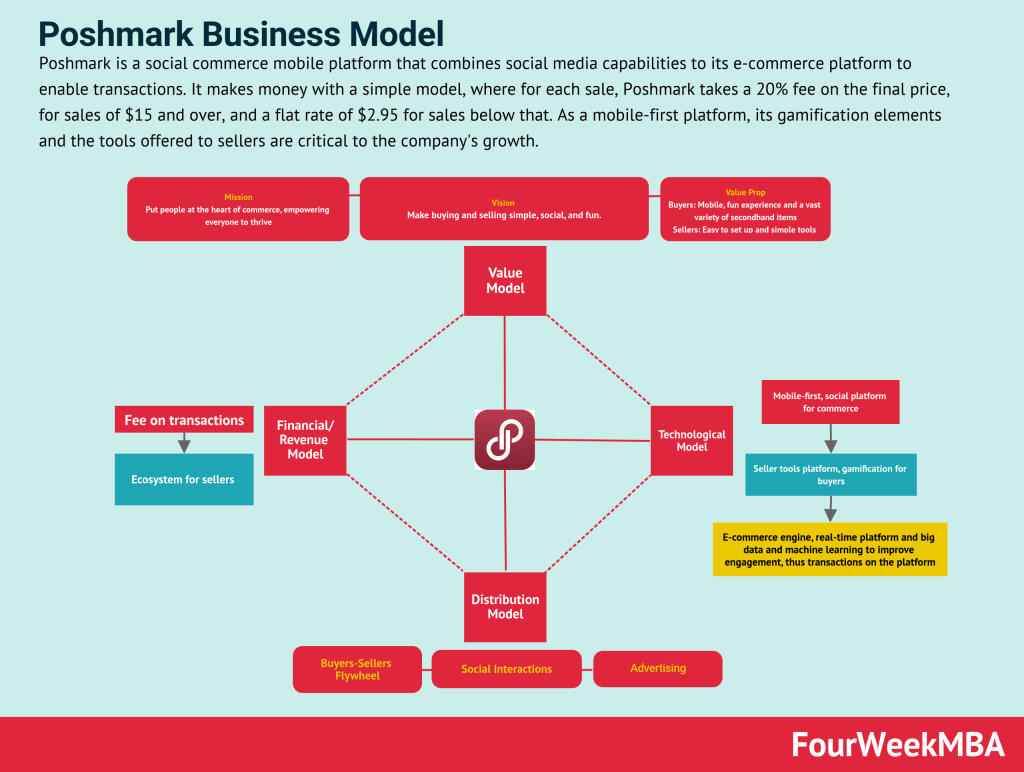
Poshmark is a social commerce mobile platform that combines social media capabilities with its e-commerce platform to enable transactions. It makes money with a simple model, where for each sale, Poshmark takes a 20% fee on the final price for sales of $15 and over and a flat rate of $2.95 for sales below that. Its gamification elements and the tools offered to sellers are critical to the company’s growth as a mobile-first platform.
Gennaro is the creator of FourWeekMBA, which reached about four million business people, comprising C-level executives, investors, analysts, product managers, and aspiring digital entrepreneurs in 2022 alone | He is also Director of Sales for a high-tech scaleup in the AI Industry | In 2012, Gennaro earned an International MBA with emphasis on Corporate Finance and Business Strategy.