Digital nomading is a lifestyle and workstyle that allows individuals to work remotely while traveling and exploring the world. It involves leveraging technology, such as the internet and communication tools, to earn a living and maintain a flexible, location-independent lifestyle. Digital nomads are often freelancers, entrepreneurs, or remote employees who value the freedom to choose their work environment and experience new cultures.
Digital nomading represents a departure from the traditional 9-to-5 office-based work model. It offers individuals the opportunity to combine work and travel, enabling them to explore different places, cultures, and lifestyles while still pursuing their careers or businesses. Key components of digital nomading include:
Remote Work: Digital nomads rely on remote work opportunities, allowing them to work from anywhere with an internet connection.
Flexibility: They have the flexibility to set their own work hours and choose their work environment, whether it’s a coffee shop in Bali or a co-working space in Berlin.
Minimalism: Many digital nomads adopt a minimalist lifestyle, as they need to fit their possessions into a backpack or suitcase for easy mobility.
Income Streams: Digital nomads often have multiple income streams, which can include freelance work, consulting, online businesses, or remote employment.
Real-World Applications
Digital nomading is not limited to a specific industry or profession and has gained popularity in various fields:
Freelancing: Freelancers, including writers, designers, developers, and marketers, often embrace the digital nomad lifestyle due to the nature of their work.
Remote Employment: Some companies offer remote work options, allowing employees to become digital nomads while working for their organizations.
Online Businesses: Entrepreneurs and e-commerce business owners can manage their operations from anywhere with an internet connection.
Content Creation: Travel bloggers, vloggers, and social media influencers often combine their passion for travel with digital content creation to support their nomadic lifestyles.
Consulting and Coaching: Professionals in fields like coaching, consulting, and online education can offer their services remotely to a global client base.
Advantages of Digital Nomading
Digital nomading offers several advantages:
Freedom: Digital nomads have the freedom to choose where and when they work, allowing for a more balanced and fulfilling lifestyle.
Exploration: It provides the opportunity to explore new places, cultures, and experiences, broadening one’s horizons.
Cost Savings: Depending on the chosen destinations, digital nomads may find a lower cost of living, enabling them to save money.
Work-Life Integration: Digital nomads can integrate work and leisure seamlessly, allowing for greater work-life balance.
Networking Opportunities: Living in different locations exposes digital nomads to diverse networks and professional opportunities.
Disadvantages of Digital Nomading
While digital nomading has numerous advantages, it may also have challenges:
Isolation: Working remotely can lead to feelings of isolation and a lack of social interaction, especially if not actively addressed.
Unpredictability: Income and work opportunities may be inconsistent, leading to financial uncertainty.
Time Zone Differences: Dealing with clients, colleagues, or customers in different time zones can be challenging for coordination.
Travel Logistics: Constant travel involves planning, visa requirements, and logistical challenges.
Stability: It may be difficult to establish a sense of stability or a long-term residence.
Strategies for Successful Digital Nomading
To thrive as a digital nomad, consider the following strategies:
Plan and Budget: Create a financialplan and budget to ensure you can sustain your nomadic lifestyle and save for the future.
Diversify Income: Explore multiple income streams to mitigate financial instability. This can include freelancing, consulting, online businesses, and investments.
Establish Routines: Develop routines to maintain work-life balance and combat isolation. Allocate specific times for work, leisure, and networking.
Network Actively: Actively seek out networking opportunities, both online and in-person, to build professional relationships and discover new opportunities.
Learn Skills: Continuously acquire new skills to remain competitive and expand your income-generating potential.
Stay Organized: Use digital tools and apps to stay organized, manage your work, and track expenses.
Health and Well-being: Prioritize your physical and mental health through exercise, a balanced diet, and self-care practices.
When Digital Nomading Becomes a Concern
Digital nomading may become a concern when:
Financial Instability: Inconsistent income or financial challenges threaten your ability to sustain the lifestyle.
Loneliness and Isolation: Feelings of isolation and loneliness persist, affecting your mental well-being.
Health Issues: Neglecting physical and mental health leads to health issues or burnout.
Limited Career Growth: Lack of career development or opportunities for growth is a long-term concern.
Conclusion
Digital nomading represents a lifestyle and workstyle that offers individuals the freedom to work remotely while exploring the world. By understanding its principles, real-world applications, advantages, disadvantages, and strategies for success, individuals can embrace this lifestyle and leverage technology to create a fulfilling and enriching work-life experience. Digital nomading allows for a unique blend of work and adventure, enabling individuals to pursue their passions and explore the vast opportunities that our interconnected world has to offer.
Key Highlights of Digital Nomading:
Definition and Lifestyle: Digital nomading involves using technology to work remotely and lead a flexible, location-independent lifestyle, often combining work with travel and exploration.
Components of Digital Nomading: Key components include remote work, flexibility in work environment, minimalism, and multiple income streams.
Real-World Applications: Digital nomading is popular among freelancers, remote employees, entrepreneurs, online business owners, content creators, and consultants.
Disadvantages: Challenges include isolation, unpredictability in income, time zone differences, travel logistics, and stability concerns.
Strategies for Success: Plan and budget, diversify income, establish routines, network actively, learn new skills, stay organized, and prioritize health and well-being.
Concerns and Challenges: Financial instability, loneliness and isolation, health issues, and limited career growth may arise as concerns.
Conclusion: Digital nomading presents a lifestyle choice that allows individuals to work remotely while exploring the world. Understanding its principles and strategies can help individuals embrace this lifestyle and navigate its challenges effectively.
Related Framework
Description
When to Apply
Remote Work
– Remote Work refers to the practice of working from a location other than the traditional office setting, often enabled by digital technologies and internet connectivity. – In the context of digital nomading, remote work allows individuals to perform their job duties from anywhere with internet access, providing flexibility and autonomy in managing work-life balance while traveling or living in different locations. – Remote work arrangements may include telecommuting, teleworking, or distributed team structures, allowing employees to collaborate virtually and access work-related resources remotely.
– When seeking to perform job duties from a location other than the traditional office setting, leveraging digital technologies and internet connectivity for remote collaboration and communication. – Remote work arrangements provide flexibility and autonomy for individuals to work from anywhere, making them suitable for professionals, freelancers, and remote teams looking to embrace digital nomading lifestyles and maintain productivity while traveling or living in diverse locations.
Location Independence
– Location Independence refers to the ability to live and work from anywhere without being tied to a specific geographic location or physical office space. – In the context of digital nomading, location independence is achieved through remote work opportunities, online entrepreneurship, or freelance gigs that enable individuals to earn income while traveling or residing in different destinations. – Location-independent lifestyles prioritize flexibility, mobility, and freedom of choice in determining where to live, work, and explore, leveraging digital tools and connectivity to maintain productivity and connectivity while on the move.
– When aiming to live and work from anywhere without being constrained by a specific geographic location or physical office space. – Location independence enables individuals to embrace digital nomading lifestyles, pursue travel opportunities, and explore new destinations while maintaining their professional endeavors and income streams, making it suitable for remote workers, freelancers, and online entrepreneurs seeking to create flexible and mobile lifestyles.
Nomad Entrepreneurship
– Nomad Entrepreneurship involves building and running a business while traveling or living as a digital nomad, leveraging digital tools, online platforms, and remote collaboration to operate business ventures from anywhere in the world. – In the context of digital nomading, nomad entrepreneurship encompasses a wide range of business models, such as e-commerce, freelancing, consulting, blogging, or digital marketing, that enable individuals to generate income and sustain their lifestyle while exploring different locations and cultures. – Nomad entrepreneurs prioritize flexibility, creativity, and adaptability in designing business ventures that align with their passions, skills, and travel aspirations, leveraging the global marketplace and digital economy to pursue their entrepreneurial dreams.
– When building and running a business venture while traveling or living as a digital nomad, leveraging digital tools, online platforms, and remote collaboration to operate business activities from anywhere in the world. – Nomad entrepreneurship offers opportunities for individuals to pursue their business ideas, generate income, and sustain their lifestyle while exploring new destinations and embracing the freedom of the digital nomad lifestyle, making it suitable for aspiring entrepreneurs, freelancers, and creatives seeking to combine their professional endeavors with travel and adventure.
Remote Collaboration
– Remote Collaboration involves working together with colleagues, clients, or partners from different locations using digital communication tools, online collaboration platforms, and virtual meeting technologies. – In the context of digital nomading, remote collaboration enables individuals to engage in teamwork, project collaboration, and business meetings from anywhere with internet connectivity, overcoming geographical barriers and time zone differences to collaborate effectively with distributed teams or remote clients. – Remote collaboration practices may include video conferencing, instant messaging, cloud-based document sharing, and project management tools that facilitate real-time communication and collaboration across virtual teams or remote work environments.
– When collaborating with colleagues, clients, or partners from different locations using digital communication tools and online collaboration platforms. – Remote collaboration practices enable individuals to work together effectively while traveling or living as digital nomads, making them suitable for remote teams, freelancers, and professionals seeking to maintain productivity, communication, and teamwork across geographical distances and time zones.
Digital Nomad Community
– The Digital Nomad Community comprises individuals, groups, and networks of digital nomads who share common interests, experiences, and resources related to remote work, travel, and lifestyle design. – In the context of digital nomading, digital nomad communities provide support, connections, and opportunities for collaboration among like-minded individuals who embrace location independence and remote work lifestyles. – Digital nomad communities may include online forums, social media groups, coworking spaces, and nomad retreats where members can exchange knowledge, share tips, and connect with fellow travelers, creatives, and professionals who share their passion for exploration and remote work.
– When seeking support, connections, and opportunities for collaboration with like-minded individuals who embrace location independence and remote work lifestyles. – Digital nomad communities offer a sense of belonging, networking opportunities, and resources for individuals pursuing digital nomading lifestyles, making them suitable for remote workers, freelancers, and entrepreneurs looking to connect with fellow travelers, share experiences, and access support while living and working on the road.
Workation
– Workation combines work and vacation activities by blending remote work responsibilities with leisure travel experiences in different destinations. – In the context of digital nomading, workations allow individuals to temporarily relocate to new locations, explore local cultures, and engage in recreational activities while maintaining productivity through remote work or freelance projects. – Workation experiences may range from short-term stays in coworking retreats or digital nomad hubs to extended trips that combine remote work commitments with sightseeing, adventure travel, or cultural immersion opportunities.
– When blending remote work responsibilities with leisure travel experiences to explore new destinations and engage in recreational activities while maintaining productivity. – Workations offer opportunities for individuals to combine work and travel, explore new destinations, and immerse themselves in local cultures while maintaining their professional commitments and income streams, making them suitable for remote workers, freelancers, and digital nomads seeking to balance work and lifestyle pursuits while on the road.
Digital Nomad Lifestyle Design
– Digital Nomad Lifestyle Design involves intentional planning and decision-making to create a lifestyle that integrates remote work, travel, and personal interests, aligning with individual values, goals, and aspirations. – In the context of digital nomading, lifestyle design principles, such as minimalism, location independence, and self-directed learning, guide individuals in designing fulfilling and sustainable lifestyles that prioritize freedom, adventure, and personal growth. – Digital nomad lifestyle design encompasses aspects such as financial independence, career development, health and wellness, and community engagement, empowering individuals to craft lifestyles that support their desired balance of work, travel, and leisure activities.
– When intentionally planning and designing a lifestyle that integrates remote work, travel, and personal interests, aligning with individual values, goals, and aspirations. – Digital nomad lifestyle design principles provide a framework for individuals to create fulfilling and sustainable lifestyles that prioritize freedom, adventure, and personal growth, making them suitable for aspiring digital nomads, remote workers, and lifestyle entrepreneurs seeking to design lifestyles that align with their values and aspirations while embracing location independence and remote work opportunities.
Travel Hacking
– Travel Hacking refers to the practice of maximizing travel rewards, discounts, and opportunities to minimize costs, optimize travel experiences, and explore new destinations affordably. – In the context of digital nomading, travel hacking strategies, such as airline miles, hotel points, credit card rewards, and budget travel tips, enable individuals to stretch their travel budgets, access premium travel amenities, and embark on extended journeys while minimizing expenses. – Travel hacking techniques may include frequent flyer programs, travel credit cards, accommodation sharing platforms, and destination planning tools that help digital nomads save money, plan trips efficiently, and make the most of their travel adventures.
– When maximizing travel rewards, discounts, and opportunities to minimize costs, optimize travel experiences, and explore new destinations affordably. – Travel hacking strategies empower digital nomads to stretch their travel budgets, access premium amenities, and embark on extended journeys while minimizing expenses, making them suitable for travelers seeking to make the most of their travel adventures and explore new destinations affordably.
Remote Work Productivity
– Remote Work Productivity involves adopting strategies, tools, and routines to manage time, tasks, and distractions effectively while working remotely or living as a digital nomad. – In the context of digital nomading, remote work productivity practices, such as time management techniques, task prioritization methods, and digital organization tools, help individuals stay focused, productive, and accountable while juggling work commitments with travel adventures and lifestyle pursuits. – Remote work productivity tips may include setting boundaries, creating a dedicated workspace, practicing self-discipline, and leveraging technology to streamline workflows and stay connected with colleagues or clients across different time zones.
– When managing time, tasks, and distractions effectively while working remotely or living as a digital nomad. – Remote work productivity practices enable individuals to maintain focus, accountability, and efficiency while balancing work commitments with travel adventures and lifestyle pursuits, making them suitable for remote workers, freelancers, and digital nomads seeking to maximize productivity and performance in flexible work environments.
Remote Work Legalities
– Remote Work Legalities encompass legal considerations, regulations, and compliance requirements related to working remotely or conducting business activities from different locations as a digital nomad. – In the context of digital nomading, remote work legalities cover areas such as tax implications, visa requirements, employment laws, insurance coverage, and intellectual property rights that may vary depending on the individual’s citizenship, destination country, and nature of remote work arrangements. – Remote workers, freelancers, and digital nomads need to navigate legal complexities, seek professional advice, and ensure compliance with relevant laws and regulations to work and travel legally while minimizing legal risks and liabilities.
– When navigating legal considerations, regulations, and compliance requirements related to working remotely or conducting business activities from different locations as a digital nomad. – Remote work legalities encompass tax implications, visa requirements, employment laws, insurance coverage, and intellectual property rights that remote workers, freelancers, and digital nomads need to address to work and travel legally while minimizing legal risks and liabilities, making them suitable for individuals seeking to ensure legal compliance and mitigate legal challenges while embracing digital nomading lifestyles.
Agile leadership is the embodiment of agile manifesto principles by a manager or management team. Agile leadership impacts two important levels of a business. The structural level defines the roles, responsibilities, and key performance indicators. The behavioral level describes the actions leaders exhibit to others based on agile principles.
Adaptive leadership is a model used by leaders to help individuals adapt to complex or rapidly changing environments. Adaptive leadership is defined by three core components (precious or expendable, experimentation and smart risks, disciplined assessment). Growth occurs when an organization discards ineffective ways of operating. Then, active leaders implement new initiatives and monitor their impact.
Developed by business consultants Kenneth Blanchard and Paul Hersey in the 1960s, delegative leadership is a leadership style where authority figures empower subordinates to exercise autonomy. For this reason, it is also called laissez-faire leadership. In some cases, this type of leadership can lead to increases in work quality and decision-making. In a few other cases, this type of leadershipneeds to be balanced out to prevent a lack of direction and cohesiveness of the team.
Distributed leadership is based on the premise that leadership responsibilities and accountability are shared by those with the relevant skills or expertise so that the shared responsibility and accountability of multiple individuals within a workplace, bulds up as a fluid and emergent property (not controlled or held by one individual). Distributed leadership is based on eight hallmarks, or principles: shared responsibility, shared power, synergy, leadership capacity, organizational learning, equitable and ethical climate, democratic and investigative culture, and macro-community engagement.
Micromanagement is about tightly controlling or observing employees’ work. Although in some cases, this management style might be understood, especially for small-scale projects, generally speaking, micromanagement has a negative connotation mainly because it shows a lack of trust and freedom in the workplace, which leads to adverse outcomes.
A RASCI matrix is used to assign and then display the various roles and responsibilities in a project, service, or process. It is sometimes called a RASCI Responsibility Matrix. The RASCI matrix is essentially a projectmanagement tool that provides important clarification for organizations involved in complex projects.
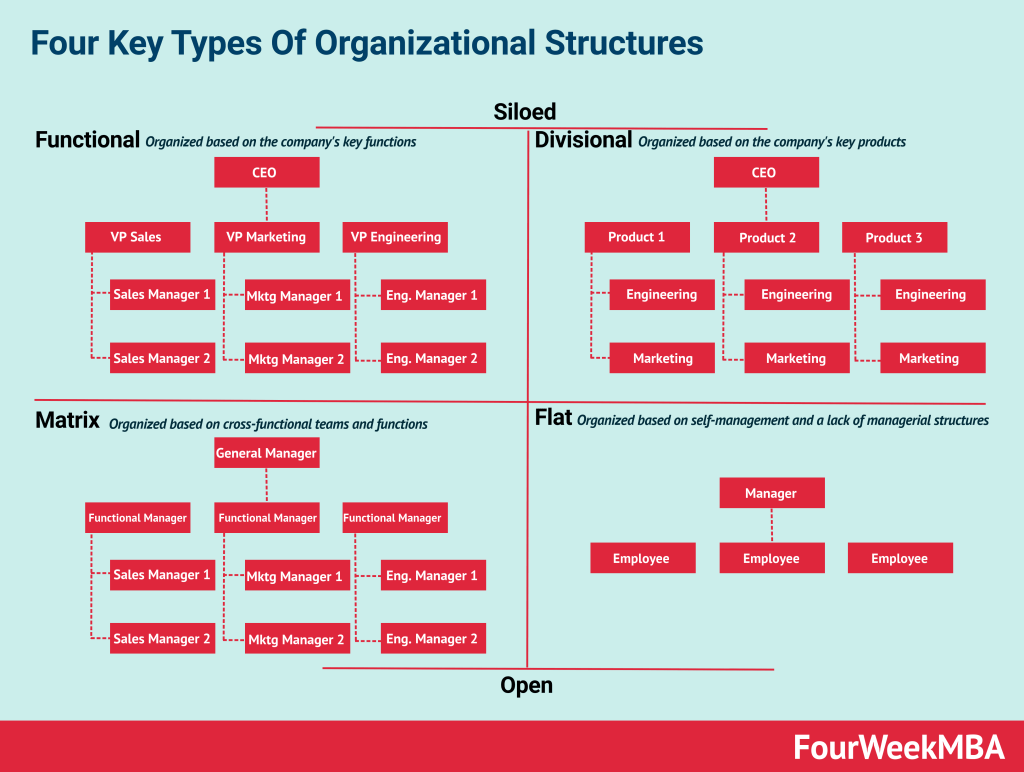
An organizational structure allows companies to shape their business model according to several criteria (like products, segments, geography and so on) that would enable information to flow through the organizational layers for better decision-making, cultural development, and goals alignment across employees, managers, and executives.
Tactical management involves choosing an appropriate course of action to achieve a strategic plan or objective. Therefore, tactical management comprises the set of daily operations that support long strategy delivery. It may involve risk management, regular meetings, conflict resolution, and problem-solving.
High-performance management involves the implementation of HR practices that are internally consistent and aligned with organizational strategy. Importantly, high-performance management is a continual process where several different but integrated activities create a performancemanagement cycle. It is not a process that should be performed once a year and then hidden in a filing cabinet.
Scientific Management Theory was created by Frederick Winslow Taylor in 1911 as a means of encouraging industrial companies to switch to mass production. With a background in mechanical engineering, he applied engineering principles to workplace productivity on the factory floor. Scientific Management Theory seeks to find the most efficient way of performing a job in the workplace.
Agile Project Management (AgilePM) seeks to bring order to chaotic corporate environments using several tools, techniques, and elements of the project lifecycle. Fundamentally, agileprojectmanagement aims to deliver maximum value according to specific business priorities in the time and budget allocated. AgilePM is particularly useful in situations where the drive to deliver is greater than the perceived risk.
Gennaro is the creator of FourWeekMBA, which reached about four million business people, comprising C-level executives, investors, analysts, product managers, and aspiring digital entrepreneurs in 2022 alone | He is also Director of Sales for a high-tech scaleup in the AI Industry | In 2012, Gennaro earned an International MBA with emphasis on Corporate Finance and Business Strategy.