Calvin Klein operates with a business model that focuses on providing value through affordable luxury fashion products. Its revenue comes from the sales of clothing, accessories, and fragrances. Targeting brand-conscious consumers, Calvin Klein invests in design, marketing, and retail operations to maintain a strong brand presence. Strategic partnerships and intellectual property protection are key resources in its cost structure.
Element
Description
Value Proposition
Calvin Klein offers a range of value propositions for its customers: – Fashion and Style: The brand provides trendy and stylish fashion apparel and accessories. – Minimalist Aesthetic: Calvin Klein is known for its minimalist and clean design aesthetic. – Quality and Luxury: The company offers high-quality materials and craftsmanship in its products. – Iconic Brand: Calvin Klein is an iconic brand associated with classic American fashion. – Sexual Appeal: The brand has a history of provocative advertising campaigns and designs that evoke sensuality. – Youthful and Modern: Calvin Klein appeals to a youthful and modern audience with its fashion choices.
Core Products/Services
Calvin Klein’s core products and services include: – Apparel: The brand offers a wide range of clothing, including jeans, underwear, outerwear, and activewear. – Accessories: Calvin Klein manufactures and sells accessories such as handbags, shoes, watches, and fragrances. – Fragrances: The company produces a line of popular fragrances for both men and women. – Home Goods: Calvin Klein extends its brand to home goods, including bedding, towels, and home decor items. – Licensing: The brand licenses its name to third-party companies for products like eyewear and eyeglasses. – Retail Stores: Calvin Klein operates retail stores worldwide.
Customer Segments
Calvin Klein’s customer segments include: – Fashion Enthusiasts: Individuals seeking stylish and trendy fashion apparel and accessories. – Luxury Shoppers: Customers looking for high-quality and luxury fashion products. – Fragrance Consumers: Those interested in the brand’s line of fragrances. – Home Decor Shoppers: Customers seeking home goods and decor items. – Licensing Partners: Companies that license the Calvin Klein brand for various products. – Retail Shoppers: Individuals visiting Calvin Klein’s retail stores.
Revenue Streams
Calvin Klein generates revenue through several revenue streams: – Apparel Sales: Revenue comes from the sale of clothing, including jeans, underwear, outerwear, and activewear. – Accessories Sales: Sales of accessories like handbags, shoes, watches, and eyeglasses contribute to revenue. – Fragrance Sales: Revenue is generated from the sale of fragrances for both men and women. – Home Goods Sales: Sales of home goods and decor items contribute to revenue. – Licensing Fees: Revenue may come from licensing the Calvin Klein brand to third-party companies. – Retail Sales: Sales at Calvin Klein’s retail stores and e-commerce platform generate revenue.
Distribution Strategy
Calvin Klein’s distribution strategy focuses on a blend of physical retail and online presence: – Retail Stores: The brand operates retail stores in various locations to offer a physical shopping experience. – E-commerce: Calvin Klein’s e-commerce platform allows customers to shop online, offering convenience and accessibility. – Department Stores: Calvin Klein products are distributed through department stores and multi-brand retailers. – Licensing Partners: The brand extends its reach through licensing partners for products like eyewear. – International Expansion: Calvin Klein expands globally to reach diverse markets and customers. – Marketing and Advertising: The brand engages in marketing and advertising campaigns to promote its products and engage with customers. – Social Media: Calvin Klein utilizes social media platforms for brand promotion and customer engagement. – Fashion Shows and Events: Participation in fashion shows and events showcases its latest collections.
Iconic Fashion Brand: Calvin Klein’s value proposition centers around its status as an iconic fashion brand known for its modern, minimalist aesthetic and innovative designs. With a focus on clean lines, timeless styles, and quality materials, Calvin Klein offers apparel, accessories, and fragrances that appeal to fashion-conscious consumers seeking contemporary elegance.
Brand Authenticity: Calvin Klein emphasizes authenticity in its products, marketing, and brand image. By staying true to its roots and maintaining a consistent brand identity, Calvin Klein builds trust and loyalty among customers who appreciate the brand’s integrity and heritage.
Innovative Marketing: Calvin Klein’s value proposition includes innovative marketing campaigns that challenge conventions and push boundaries. Through provocative advertising, strategic celebrity endorsements, and collaborations with artists and influencers, Calvin Klein creates buzz and generates excitement around its brand, attracting attention from a diverse audience.
Accessible Luxury: Calvin Klein offers accessible luxury with a range of products spanning various price points, making designer fashion more attainable for a broader audience. From premium apparel and accessories to affordable basics and lifestyle products, Calvin Klein caters to consumers seeking quality and style at different price levels.
Revenue Model
Retail Sales: Calvin Klein generates revenue primarily through the sale of its products in company-owned retail stores, department stores, specialty boutiques, and online channels. Customers purchase Calvin Klein apparel, accessories, and fragrances directly from these retail outlets, contributing to the company’s revenue stream.
Licensing Agreements: Calvin Klein earns revenue through licensing agreements with third-party manufacturers and distributors who produce and sell Calvin Klein-branded products under license. These products may include eyewear, watches, home goods, and other lifestyle items, allowing Calvin Klein to extend its brand presence and generate royalties from licensed merchandise.
E-commerce Sales: Calvin Klein’s e-commerce platform serves as a significant revenue driver, enabling customers to shop online for Calvin Klein products from anywhere in the world. Through its official website and digital storefronts on third-party e-commerce platforms, Calvin Klein reaches a global audience of online shoppers and captures sales directly through online transactions.
Wholesale Distribution: Calvin Klein distributes its products through wholesale channels, including partnerships with department stores, specialty retailers, and online marketplaces. By selling wholesale to these partners, Calvin Klein expands its distribution reach and gains exposure to a diverse customer base, driving sales and revenue growth.
Brand Partnerships and Collaborations: Calvin Klein engages in brand partnerships and collaborations with other companies and designers to create co-branded collections, limited-edition products, and exclusive collaborations. These partnerships generate revenue through joint marketing efforts, product sales, and shared licensing agreements, leveraging the strengths and brand equity of both parties.
Marketing Strategy
Strategic Branding: Calvin Klein’s marketingstrategy focuses on strategic branding initiatives that reinforce the brand’s identity and appeal to its target audience. Through consistent messaging, visual branding, and brand storytelling, Calvin Klein communicates its values, aesthetic, and lifestyle to consumers, building brand awareness and affinity.
Celebrity Endorsements: Calvin Klein leverages celebrity endorsements and influencer partnerships to enhance its brand visibility and credibility. By featuring high-profile celebrities, models, and influencers in its advertising campaigns, social media content, and events, Calvin Klein aligns its brand with aspirational figures and cultural trends, resonating with consumers who admire and emulate these personalities.
Digital Marketing: Calvin Klein invests in digital marketing channels to connect with consumers online and drive engagement across digital platforms. This includes social media advertising, email marketing, content marketing, and influencer collaborations aimed at reaching and captivating Calvin Klein’s target audience of fashion-forward, digitally savvy consumers.
Experiential Marketing: Calvin Klein employs experiential marketing tactics to create immersive brand experiences and engage consumers in memorable ways. This may involve pop-up shops, interactive installations, fashion shows, and special events that allow consumers to interact with Calvin Klein products, meet brand ambassadors, and participate in unique brand activations.
Community Engagement: Calvin Klein prioritizes community engagement and social responsibility as part of its marketingstrategy. By supporting charitable initiatives, sustainability efforts, and diversity and inclusion programs, Calvin Klein demonstrates its commitment to making a positive impact on society and resonates with socially conscious consumers who value brands that align with their values.
Distribution Channels
Retail Stores: Calvin Klein operates a network of company-owned retail stores and flagship boutiques worldwide, where customers can shop for Calvin Klein apparel, accessories, and fragrances in a branded retail environment. These retail stores serve as key touchpoints for the brand, providing a premium shopping experience and showcasing the latest collections.
E-commerce Platform: Calvin Klein’s e-commerce platform allows customers to shop online for Calvin Klein products directly from the brand’s official website. With seamless navigation, secure transactions, and personalized shopping features, the Calvin Klein website provides a convenient and accessible channel for consumers to purchase Calvin Klein merchandise from anywhere at any time.
Department Stores and Specialty Retailers: Calvin Klein distributes its products through department stores, specialty boutiques, and multi-brand retailers worldwide. By partnering with these wholesale partners, Calvin Klein expands its distribution reach and gains exposure to a diverse customer base, reaching consumers who prefer to shop at brick-and-mortar retail locations.
Online Marketplaces: Calvin Klein sells its products through online marketplaces and third-party e-commerce platforms, including Amazon, eBay, and Alibaba. By listing Calvin Klein merchandise on these platforms, the brand reaches a broader audience of online shoppers and taps into the extensive reach and customer base of leading e-commerce marketplaces.
Licensing Partners: Calvin Klein collaborates with licensing partners to produce and distribute Calvin Klein-branded products under license, such as eyewear, watches, fragrances, and home goods. These licensed products are sold through various retail channels, including department stores, specialty retailers, and online platforms, extending the reach of the Calvin Klein brand and generating revenue through licensing royalties.
Target Customer Segment:
Brand-Conscious Consumers: Calvin Klein targets consumers who prioritize brand identity and seek stylish, fashionable products that align with their preferences.
Key Activities:
Design and Innovation: The company invests in design and innovation to create trendy and attractive products that appeal to their target audience.
Marketing and Branding: Effective marketing strategies are employed to promote the brand’s offerings and maintain a strong brand presence in the fashion industry.
Retail Operations: Calvin Klein manages retail operations to ensure that its products are easily accessible to customers through various channels.
Competitive Advantage:
Affordable Luxury: Calvin Klein’s success lies in providing a balance between affordability and the perception of luxury. This approach allows them to attract a broader range of consumers.
Fashion Trends and Innovation: The company’s ability to stay in tune with fashion trends and consumer preferences, coupled with innovative design, contributes to its ongoing popularity.
Diverse Product Portfolio:
Calvin Klein’s revenue streams are supported by a diverse portfolio of products, including clothing, accessories, and fragrances. This diversity allows them to cater to various customer preferences.
Strategic Elements:
Strategic Partnerships: Calvin Klein leverages strategic partnerships to expand its reach, collaborate on unique offerings, and strengthen its position in the market.
Intellectual Property Protection: Given the importance of its brand identity, intellectual property protection is a key consideration and cost in Calvin Klein’s operations.
Key Highlights
Affordable Luxury Fashion: Calvin Klein’s business model centers around offering affordable luxury fashion products, providing customers with high-quality items that combine value and style.
Revenue Streams: The company generates revenue primarily through the sales of various products, including clothing, accessories, and fragrances.
Brand-Conscious Consumers: Calvin Klein targets consumers who are brand-conscious and seek stylish and fashionable products that align with their preferences.
Investment in Design and Marketing: The brand invests in design, ensuring its products are trendy and attractive to its target audience. Effective marketing strategies are employed to promote the brand’s offerings.
Strong Brand Presence: Calvin Klein places a strong emphasis on maintaining a robust brand presence in the fashion industry through consistent design, marketing efforts, and retail operations.
Retail Operations: The company’s business model involves managing retail operations to ensure that its products are easily accessible to customers.
Strategic Partnerships: Calvin Klein leverages strategic partnerships to expand its reach, collaborate on unique offerings, and strengthen its position in the market.
Intellectual Property Protection: Given the importance of its brand identity, intellectual property protection is a key consideration and cost in Calvin Klein’s operations.
Affordability and Quality: The brand’s success lies in striking a balance between affordability and the perception of luxury, allowing it to attract a broader range of consumers.
Fashion Trends: Calvin Klein’s ability to stay in tune with fashion trends and consumer preferences contributes to its ongoing popularity.
Innovation in Design: The brand’s commitment to innovative design helps it maintain relevance and captivate its audience.
Diverse Product Portfolio: Calvin Klein’s revenue streams are supported by a diverse portfolio of products, including clothing, accessories, and fragrances.
Calvin Klein is owned by PVH Corp., which acquired it in 2002 for $400 million in cash and $30 million in stock and warrants. PVH is primarily owned by institutional investors like FMR (Fidelity) with 15.2% of the company, PZENA with 11.5%, The Vanguard Group with 11.5%, BlackRock with 6.6%, and Wellington Management Group with 5.8%. PVH also owns other iconic fashion brands like Tommy Hilfiger. Calvin Klein generated $3.78 billion in revenue in 2022.
Calvin Klein’s revenue showed a consistent growth pattern from 2020 to 2022.
The revenue increased substantially from $2.64 billion in 2020 to $3.66 billion in 2021.
This growth trend continued in 2022, with revenue reaching $3.78 billion, marking a further improvement.
Slow fashion is a movement in contraposition with fast fashion. Where in fast fashion, it’s all about speed from design to manufacturing and distribution, in slow fashion, quality and sustainability of the supply chain are the key elements.
Patagonia is an American clothing retailer founded by climbing enthusiast Yvon Chouinard in 1973 who saw initial success by selling reusable climbing pitons and Scottish rugby shirts. Over time Patagonia also became a fashionable brand also for its focus on slow fashion. Indeed, the company sells high-priced clothing items built to last which it will repair for free.
Patagonia has a particular organizational structure, where its founder, Chouinard, disposed of the company’s ownership in the hands of two non-profits. The Patagonia Purpose Trust, holding 100% of the voting stocks, is in charge of defining the company’s strategic direction. And the Holdfast Collective, a non-profit, holds 100% of non-voting stocks, aiming to re-invest the brand’s dividends into environmental causes.
Fash fashion has been a phenomenon that became popular in the late 1990s and early 2000s, as players like Zara and H&M took over the fashion industry by leveraging on shorter and shorter design-manufacturing-distribution cycles. Reducing these cycles from months to a few weeks. With just-in-time logistics and flagship stores in iconic places in the largest cities in the world, these brands offered cheap, fashionable clothes and a wide variety of designs.
With over €27 billion in sales in 2021, the Spanish Fast Fashion Empire, Inditex, which comprises eight sister brands, has grown thanks to a strategy of expanding its flagship stores in exclusive locations around the globe. Its largest brand, Zara, contributed over 70% of the group’s revenue. The country that contributed the most to the fast fashion Empire sales was Spain, with over 15% of its revenues.
LVMH is a global luxury empire with over €79 billion ($83 billion) in revenues for 2022, spanning several industries: wines and spirits, fashion and leather goods, perfumes and cosmetics, watches and jewelry, and selective retailing. It comprises brands like Louis Vuitton, Christian Dior Couture, Fendi, Loro Piana, and many others.
Kering Group follows a multi-brand business model strategy. The central holding helps the brands and Houses part of its portfolio leverage economies of scale while creating synergies. At the same time, those brands are run independently. Kering is today a global luxury brand that made over €20 billion in revenue based on this multi-brand strategy. Within Kering Group are brands like Gucci, Bottega Veneta, Saint Laurent, and many more—the primary operating segments based on luxury and lifestyle.
Kering is a luxury goods multinational founded in France by François Pinault in 1963. The company, which initially specialized in timber trading, grew via acquisitions and was listed on the Paris Stock Exchange in 1988. Two years later, Kering merged with a French conglomerate interested in furniture, department stores, and bookstores.
The Ultra Fashion business model is an evolution of fast fashion with a strong online twist. Indeed, where the fast-fashion retailer invests massively in logistics and warehousing, its costs are still skewed toward operating physical retail stores. While the ultra-fast fashion retailer mainly moves its operations online, thus focusing its cost centers on logistics, warehousing, and a mobile-based digital presence.
ASOS is a British online fashion retailer founded in 2000 by Nick Robertson, Andrew Regan, Quentin Griffiths, and Deborah Thorpe. As an online fashion retailer, ASOS makes money by purchasing clothes from wholesalers and then selling them for a profit. This includes the sale of private label or own-brand products. ASOS further expanded on the fast fashion business model to create an ultra-fast fashion model driven by short sales cycles and online mobile e-commerce as the main drivers.
Real-time retail involves the instantaneous collection, analysis, and distribution of data to give consumers an integrated and personalized shopping experience. This represents a strong new trend, as a further evolution of fast fashion first (who turned the design into manufacturing in a few weeks), ultra-fast fashion later (which further shortened the cycle of design-manufacturing). Real-time retail turns fashion trends into clothes collections in a few days or a maximum of one week.
SHEIN is an international B2C fast fashion eCommerce platform founded in 2008 by Chris Xu. The company improved the ultra-fast fashion model by leveraging real-time retail, quickly turning fashion trends in clothes collections through its strong digital presence and successful branding campaigns.
Zara is a brand part of the retail empire Inditex. Zara is the leading brand in what has been defined as “fast fashion.” With almost €20 billion in sales in 2021 (comprising Zara Home) and an integrated retail format with quick sales cycles. Zara follows an integrated retail format where customers are free to move from physical to digital experience.
Wish is a mobile-first e-commerce platform in which users’ experience is based on discovery and customized product feed. Wish makes money from merchants’ fees and advertising on the platform, and logistic services. The mobile platform also leverages an asset-light business model based on a positive cash conversion cycle where users pay in advance as they order goods, and merchants are paid in weeks.
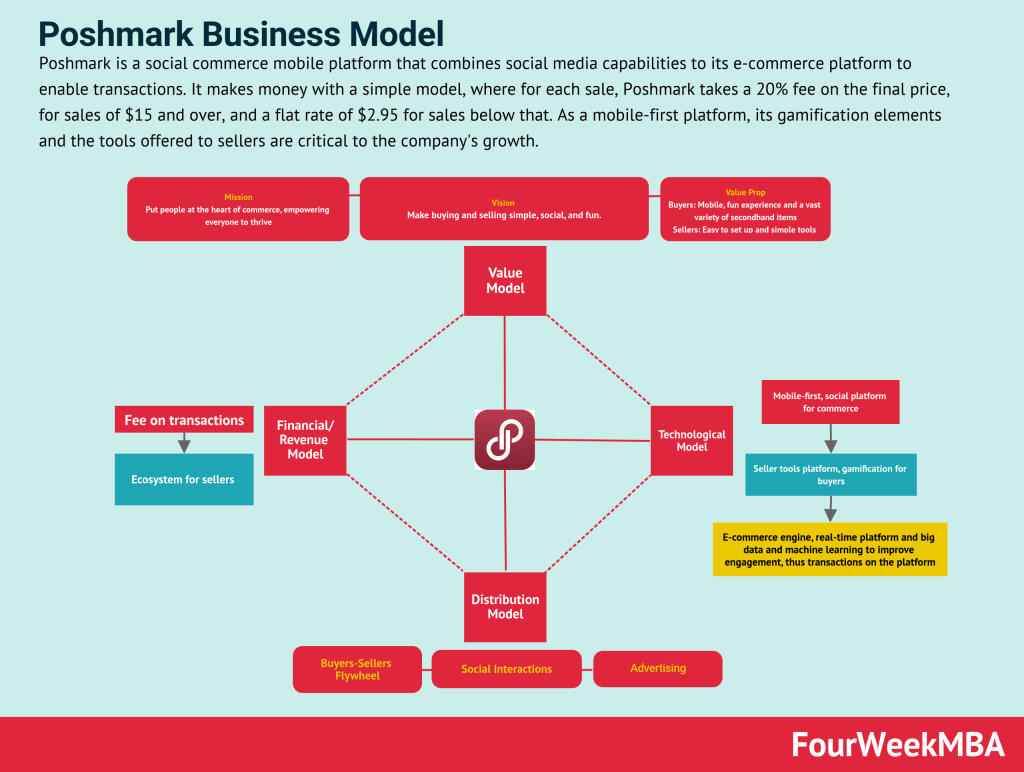
Poshmark is a social commerce mobile platform that combines social media capabilities with its e-commerce platform to enable transactions. It makes money with a simple model, where for each sale, Poshmark takes a 20% fee on the final price for sales of $15 and over and a flat rate of $2.95 for sales below that. Its gamification elements and the tools offered to sellers are critical to the company’s growth as a mobile-first platform.
Gennaro is the creator of FourWeekMBA, which reached about four million business people, comprising C-level executives, investors, analysts, product managers, and aspiring digital entrepreneurs in 2022 alone | He is also Director of Sales for a high-tech scaleup in the AI Industry | In 2012, Gennaro earned an International MBA with emphasis on Corporate Finance and Business Strategy.