

The Culture Web is a diagnostic tool that helps organizations analyze and understand their existing culture. It was developed as part of the Cultural Web framework, which also includes the Paradigm, Organizational Structures, Rituals and Routines, Stories, Symbols, and Power Structures. However, we will focus primarily on the Culture Web itself.
The Culture Web is represented as a spider diagram, with each component of the web representing an aspect of organizational culture. By examining these components, organizations can gain insights into their culture’s strengths, weaknesses, and potential areas for improvement.
Components of the Culture Web
Let’s explore each component of the Culture Web in detail:
1. Stories:
- Stories refer to the anecdotes, legends, and narratives shared within the organization. These stories often highlight significant events, successes, or failures. They shape the organization’s identity and provide a sense of continuity.
- Example: A story about how an employee’s innovative idea saved the company from a crisis can reinforce a culture of innovation and problem-solving.
2. Rituals and Routines:
- Rituals and Routines encompass the regular activities, behaviors, and ceremonies practiced within the organization. These can include daily stand-up meetings, annual celebrations, or team-building exercises.
- Example: A weekly “Thankful Thursday” session where employees express gratitude for their colleagues can promote a culture of appreciation and camaraderie.
3. Symbols:
- Symbols represent the tangible and visual elements that convey meaning within the organization. These can include logos, office layout, dress code, or specific artifacts that hold cultural significance.
- Example: A corporate logo that incorporates elements of teamwork and unity can reinforce a culture of collaboration.
4. Power Structures:
- Power Structures refer to the distribution of authority and decision-making within the organization. It includes formal hierarchies, reporting structures, and centers of influence.
- Example: In a highly decentralized organization, decision-making authority is distributed across various teams, fostering a culture of empowerment and autonomy.
5. Control Systems:
- Control Systems encompass the policies, procedures, and mechanisms used to manage and regulate employees’ behavior. These systems include performance metrics, reward systems, and compliance procedures.
- Example: An organization that measures success based on customer satisfaction scores reinforces a customer-centric culture.
6. Organizational Structures:
- Organizational Structures refer to the formal layout of roles, responsibilities, and reporting lines within the company. It defines how work is divided and coordinated.
- Example: A matrix organizational structure encourages cross-functional collaboration and supports a culture of teamwork.
7. Paradigm:
- Paradigm represents the organization’s core beliefs and assumptions. It underlies the entire culture and guides decision-making. Paradigms are often deeply ingrained and may go unspoken.
- Example: An organization’s paradigm may include the belief that innovation is crucial to staying competitive, driving a culture of continuous improvement.
Significance of the Culture Web
The Culture Web holds significant importance for organizations and their leaders for several reasons:
1. Diagnosing Culture:
- The Culture Web serves as a diagnostic tool, allowing organizations to assess their existing culture. By identifying the components that make up their culture, organizations can gain clarity on their strengths and weaknesses.
2. Alignment with Strategy:
- Understanding the culture is essential for aligning it with the organization’s strategic goals. Leaders can identify aspects of the culture that need to evolve to support the desired strategic outcomes.
3. Change Management:
- When organizations need to change their culture, the Culture Web provides a roadmap. Leaders can target specific components (e.g., stories, symbols) to drive cultural change initiatives effectively.
4. Employee Engagement:
- A healthy and positive culture enhances employee engagement. By focusing on culture, organizations can create workplaces where employees feel motivated, valued, and committed.
5. Crisis Management:
- During crises or periods of change, the Culture Web can help organizations maintain stability. By reinforcing positive cultural elements, leaders can rally employees around a shared purpose.
Practical Applications of the Culture Web
The Culture Web offers practical applications for both organizations and individuals:
For Organizations:
- Culture Assessment: Organizations can use the Culture Web to assess their current culture. Surveys, interviews, and focus groups can provide insights into each component of the web.
- Cultural Alignment: Leaders can identify areas where the culture aligns with the organization’s strategic goals and areas where adjustments are needed.
- Change Initiatives: When embarking on cultural change initiatives, organizations can use the Culture Web to pinpoint the components that require modification.
- Employee Onboarding: During the onboarding process, new employees can be introduced to the organization’s culture by sharing stories, symbols, and rituals.
For Individuals:
- Cultural Fit: Job seekers and employees can use their understanding of an organization’s culture, as revealed by the Culture Web, to determine if they are a good fit for the company.
- Career Development: Individuals can align their career goals and aspirations with the culture of their current or prospective employers.
- Leadership: Leaders can leverage the Culture Web to reinforce and cultivate desired cultural aspects within their teams or departments.
- Conflict Resolution: In cases of cultural clashes or conflicts, individuals can use the Culture Web to identify underlying cultural differences and seek common ground.
Challenges and Considerations
While the Culture Web is a valuable tool for understanding and managing culture, it comes with certain challenges and considerations:
- Subjectivity: Assessing culture can be subjective, as perceptions of culture may vary among employees.
- Complexity: Culture is multifaceted, and addressing all components simultaneously can be challenging. Organizations may need to prioritize areas for cultural change.
- Resistance to Change: Cultural change initiatives may face resistance from employees who are attached to existing cultural elements.
- Sustainability: Maintaining a desired culture over time requires ongoing effort and reinforcement.
- Cultural Alignment: Achieving alignment between the desired culture and the organization’s strategic goals can be complex and may require trade-offs.
Future Directions in Culture Research
As the field of organizational culture continues to evolve, several future directions and areas of study can be anticipated:
- Digital Culture: Research will explore how digital transformation and remote work impact organizational culture, including how virtual rituals and communication affect the Culture Web.
- Inclusivity and Diversity: Studies will investigate how organizations can create inclusive cultures that embrace diversity and ensure equitable access to opportunities.
- Sustainability Culture: The Culture Web will be applied to assess and shape cultures that prioritize sustainability and responsible corporate practices.
- Cultural Resilience: Research will focus on developing culturally resilient organizations capable of adapting to rapid changes and disruptions.
- Data-Driven Culture: Organizations will explore how data and analytics can influence and be influenced by their culture.
Conclusion
The Culture Web is a powerful framework for understanding and managing organizational culture. By examining its components – stories, rituals and routines, symbols, power structures, control systems, organizational structures, and paradigms – organizations can gain valuable insights into their culture’s dynamics. These insights can inform strategic decisions, change initiatives, and efforts to enhance employee engagement and well-being. In a rapidly changing world, a well-understood and well-managed culture can be a cornerstone of an organization’s success and resilience.
Key Highlights:
- Introduction to the Culture Web: The Culture Web is a framework that represents organizational culture through various components like stories, rituals, symbols, etc., helping organizations understand and manage their culture effectively.
- Components of the Culture Web:
- Stories: Anecdotes and narratives that shape organizational identity.
- Rituals and Routines: Regular activities and ceremonies practiced within the organization.
- Symbols: Tangible elements conveying cultural meaning, such as logos or office layout.
- Power Structures: Distribution of authority and decision-making.
- Control Systems: Policies and mechanisms regulating employee behavior.
- Organizational Structures: Formal layout of roles and responsibilities.
- Paradigm: Core beliefs guiding decision-making.
- Significance of the Culture Web:
- Diagnosing Culture: Helps assess existing culture strengths and weaknesses.
- Alignment with Strategy: Ensures culture supports strategic goals.
- Change Management: Provides a roadmap for cultural change initiatives.
- Employee Engagement: Enhances motivation, value, and commitment.
- Crisis Management: Maintains stability during crises or change.
- Practical Applications:
- Culture Assessment: Surveys and interviews to understand organizational culture.
- Cultural Alignment: Identifying areas needing cultural adjustments.
- Change Initiatives: Targeting specific components for cultural change.
- Employee Onboarding: Introducing new employees to organizational culture.
- Challenges and Considerations:
- Subjectivity: Assessments of culture may vary among employees.
- Complexity: Addressing all components simultaneously can be challenging.
- Resistance to Change: Employees may resist cultural change initiatives.
- Sustainability: Maintaining desired culture over time requires ongoing effort.
- Cultural Alignment: Achieving alignment with strategic goals can be complex.
- Future Directions in Culture Research:
- Digital Culture: Impact of digital transformation on organizational culture.
- Inclusivity and Diversity: Creating inclusive cultures embracing diversity.
- Sustainability Culture: Prioritizing sustainability and responsible practices.
- Cultural Resilience: Developing culturally resilient organizations.
- Data-Driven Culture: Influence of data and analytics on organizational culture.
- Conclusion: The Culture Web offers valuable insights into organizational culture, informing strategic decisions, change initiatives, and efforts to enhance employee engagement. Understanding and managing culture effectively can be crucial for organizational success and resilience in today’s rapidly changing world.
| Related Framework | Description | When to Apply |
|---|---|---|
| Organizational Culture Assessment Instrument (OCAI) | – A tool developed by Cameron and Quinn that assesses organizational culture based on four competing values: Clan, Adhocracy, Hierarchy, and Market. The OCAI provides insights into an organization’s dominant cultural traits and helps identify areas for culture change or alignment. | – Useful for culture assessments, organizational development, and change management initiatives to understand current culture, align it with strategic objectives, and foster desired cultural attributes. |
| Schein’s Three Levels of Culture | – Describes organizational culture as having three levels: Artifacts and Symbols, Espoused Values, and Basic Assumptions. This framework helps to understand the deeper layers of culture that influence behavior and decision-making within organizations. | – Applicable in culture analysis and culture change efforts to uncover underlying beliefs and assumptions shaping organizational behavior and practices. |
| Cultural Intelligence (CQ) | – Refers to an individual’s capability to function effectively in culturally diverse settings by understanding and adapting to different cultural norms, values, and behaviors. Cultural Intelligence complements the Culture Web by providing individuals with the skills to navigate and thrive in diverse cultural environments. | – Relevant for global teams, cross-cultural leadership, and international business where understanding and adapting to diverse cultural contexts are essential for effective collaboration and success. |
| Competing Values Framework (CVF) | – Similar to the OCAI, the CVF identifies four organizational culture types: Collaborate, Create, Control, and Compete. This framework helps organizations understand their dominant cultural orientation and its implications for performance and effectiveness. | – Useful in strategic planning, leadership development, and team-building efforts to align organizational culture with strategic goals and enhance performance. |
| Cultural Dimensions Theory (Hofstede) | – Identifies six dimensions of culture: Power Distance, Individualism vs. Collectivism, Masculinity vs. Femininity, Uncertainty Avoidance, Long-term vs. Short-term Orientation, and Indulgence vs. Restraint. This framework helps to understand cultural differences and their impact on behavior and organizational practices. | – Applicable in cross-cultural management, international business, and diversity training to navigate cultural differences and foster effective communication and collaboration across diverse teams. |
| Organizational Climate | – Refers to the prevailing atmosphere, mood, or quality of an organization’s work environment, as perceived by its employees. Organizational climate complements the Culture Web by providing insights into employees’ perceptions of their work environment and its impact on their attitudes and behaviors. | – Relevant for employee engagement surveys, leadership development, and organizational change efforts to assess and improve the psychosocial aspects of the workplace environment. |
| Cultural Values Framework (Schwartz) | – Identifies ten universal values that guide human behavior: Power, Achievement, Hedonism, Stimulation, Self-direction, Universalism, Benevolence, Tradition, Conformity, and Security. This framework helps to understand the underlying values that shape individuals’ attitudes and behaviors across cultures. | – Useful for cross-cultural communication, leadership development, and diversity training to foster understanding and appreciation of diverse cultural values and perspectives. |
| Organizational Network Analysis (ONA) | – Examines patterns of communication, collaboration, and information flow within organizations. ONA complements the Culture Web by providing insights into the informal social networks and relationships that influence culture and behavior within organizations. | – Applicable in change management initiatives, team dynamics analysis, and leadership development to identify key influencers, communication bottlenecks, and opportunities for collaboration and innovation. |
| Corporate Social Responsibility (CSR) | – Refers to an organization’s commitment to operating ethically and responsibly, considering its impact on society and the environment. CSR complements the Culture Web by reflecting and reinforcing an organization’s values, priorities, and sense of social responsibility. | – Relevant for brand positioning, stakeholder engagement, and organizational identity efforts, where demonstrating ethical values and social responsibility can enhance reputation and stakeholder trust. |
| Inclusive Leadership | – Focuses on leaders’ ability to create an inclusive work environment that values diversity, respects individual differences, and promotes a sense of belonging. Inclusive leadership complements the Culture Web by fostering a culture of inclusivity, equity, and belonging within organizations. | – Useful for diversity and inclusion initiatives, leadership development, and organizational change efforts to create a culture where all employees feel valued, respected, and empowered to contribute. |
Read Next: Organizational Structure.
Types of Organizational Structures

Siloed Organizational Structures
Functional

Divisional

Open Organizational Structures
Matrix

Flat

Connected Business Frameworks


Nadler-Tushman Congruence Model

McKinsey’s Seven Degrees of Freedom


Organizational Structure Case Studies
OpenAI Organizational Structure

Airbnb Organizational Structure

Amazon Organizational Structure

Apple Organizational Structure

Coca-Cola Organizational Structure

Costco Organizational Structure


Facebook Organizational Structure

Goldman Sachs’ Organizational Structure

Google Organizational Structure


McDonald’s Organizational Structure

McKinsey Organizational Structure

Microsoft Organizational Structure

Nestlé Organizational Structure


Patagonia Organizational Structure

Samsung Organizational Structure

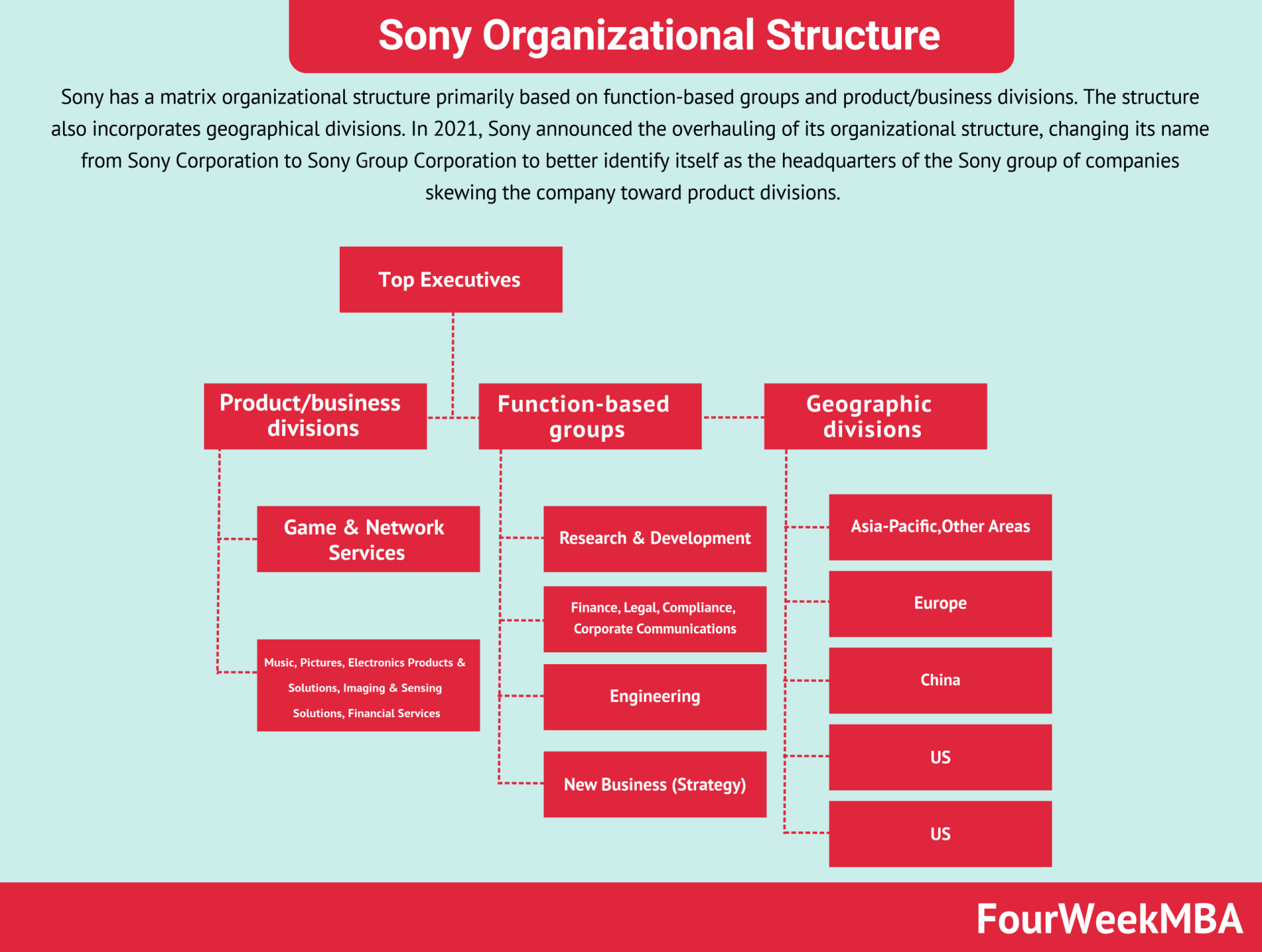
Starbucks Organizational Structure

Tesla Organizational Structure

Toyota Organizational Structure

Walmart Organizational Structure

Main Free Guides:


