| Liquidity Ratios | | | | | |
| Current Ratio | Liquidity | Measures a company’s ability to cover its short-term liabilities with its short-term assets. | Assess short-term liquidity and financial stability. | A current ratio of 2.0 means the company has $2 of current assets for every $1 of current liabilities. | Current Ratio = Current Assets / Current Liabilities |
| Quick Ratio (Acid-Test Ratio) | Liquidity | Indicates a company’s ability to cover its short-term liabilities with its most liquid assets (excluding inventory). | Assess short-term liquidity, excluding less liquid assets. | A quick ratio of 1.5 means the company can cover $1.50 of current liabilities with its quick assets. | Quick Ratio = (Current Assets – Inventory) / Current Liabilities |
| Debt Ratios | | | | | |
| Debt-to-Equity Ratio | Leverage | Measures the proportion of a company’s debt relative to its equity, indicating financial leverage. | Assess the company’s financial risk and leverage level. | A debt-to-equity ratio of 0.6 means there is $0.60 of debt for every $1 of equity. | Debt-to-Equity Ratio = Total Debt / Total Equity |
| Debt Ratio | Leverage | Measures the proportion of a company’s assets that are financed by debt, indicating financial leverage. | Assess the degree of financial leverage and the use of debt funding. | A debt ratio of 0.6 means 60% of assets are financed by debt. | Debt Ratio = Total Debt / Total Assets |
| Coverage Ratios | | | | | |
| Interest Coverage Ratio | Leverage | Indicates a company’s ability to meet its interest payments on outstanding debt. | Assess the ability to cover interest expenses with earnings. | An interest coverage ratio of 3.0 means the company’s earnings are three times the interest expense. | Interest Coverage Ratio = Earnings Before Interest and Taxes (EBIT) / Interest Expense |
| Debt Service Coverage Ratio (DSCR) | Leverage | Measures a company’s ability to cover its debt obligations, including principal and interest payments. | Assess the company’s ability to meet debt service requirements. | A DSCR of 1.5 means the company’s operating income is 1.5 times its debt service obligations. | DSCR = Earnings Before Interest and Taxes (EBIT) / Total Debt Service (Principal + Interest) |
| Profitability Ratios | | | | | |
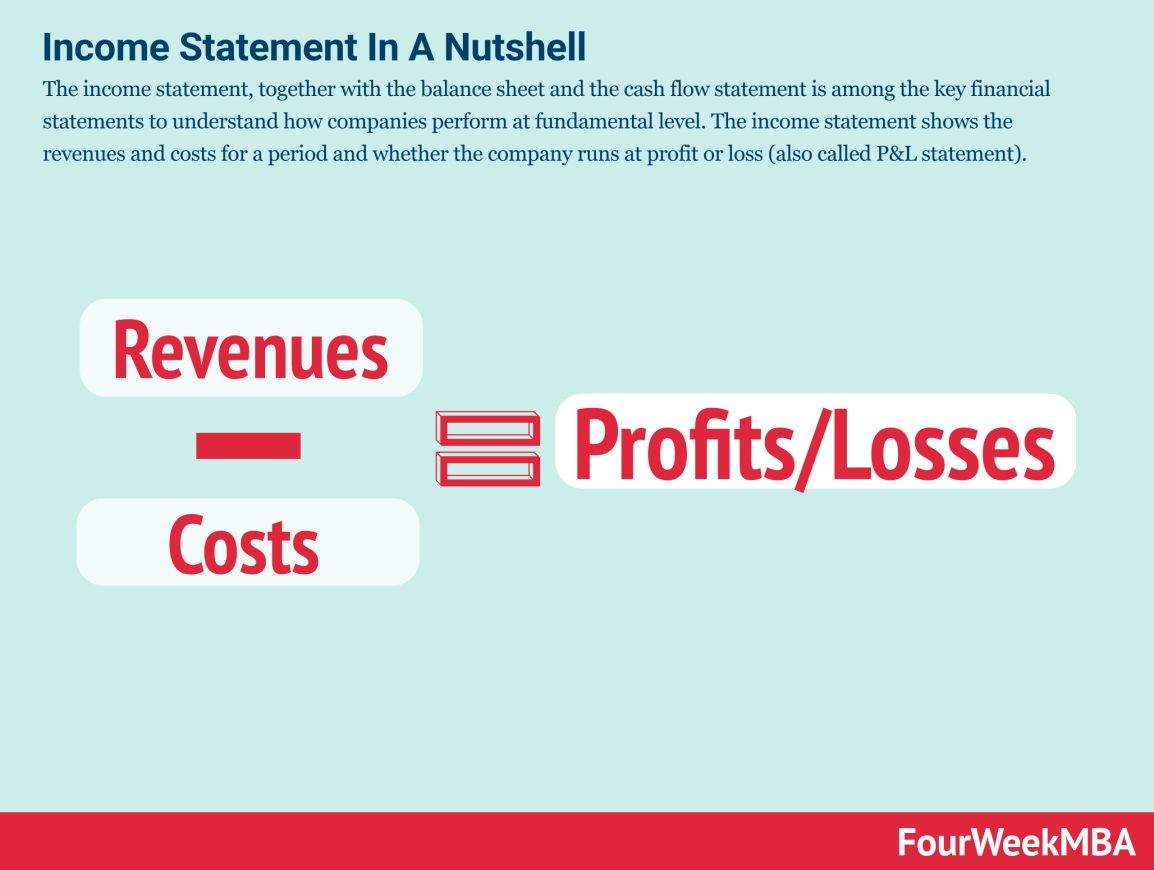
| Return on Assets (ROA) | Profitability | Indicates how efficiently a company utilizes its assets to generate profit. | Assess asset utilization and profitability. | An ROA of 10% means a 10% return on assets. | ROA = Net Income / Total Assets |
| Return on Equity (ROE) | Profitability | Measures the return earned by shareholders on their equity investment in the company. | Assess the profitability of shareholder equity. | An ROE of 15% means a 15% return on equity. | ROE = Net Income / Total Equity |
| Efficiency Ratios | | | | | |
| Asset Turnover Ratio | Efficiency | Measures how efficiently a company utilizes its assets to generate sales revenue. | Assess asset efficiency and revenue generation. | An asset turnover ratio of 0.8 means $0.8 of revenue generated for every $1 of assets. | Asset Turnover Ratio = Revenue / Total Assets |
| Inventory Turnover Ratio | Efficiency | Indicates how quickly a company’s inventory is sold and replaced during a period. | Evaluate inventory management efficiency. | An inventory turnover ratio of 6 means inventory is sold and replaced 6 times in a year. | Inventory Turnover Ratio = Cost of Goods Sold (COGS) / Average Inventory |