7 layers, 7 players, 5 cascades. The most comprehensive visual map of who controls what in the AI economy — updated monthly by The Business Engineer.
Overview
7 Layers
Players
5 Cascades
Key Truths
The AI Stack Has Seven Layers Now
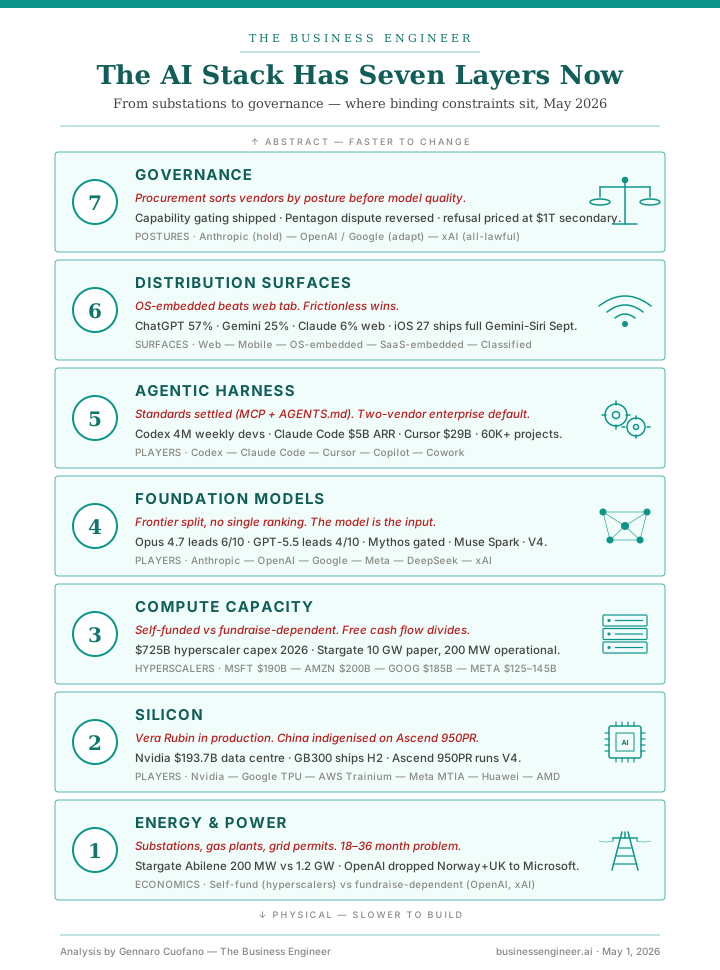
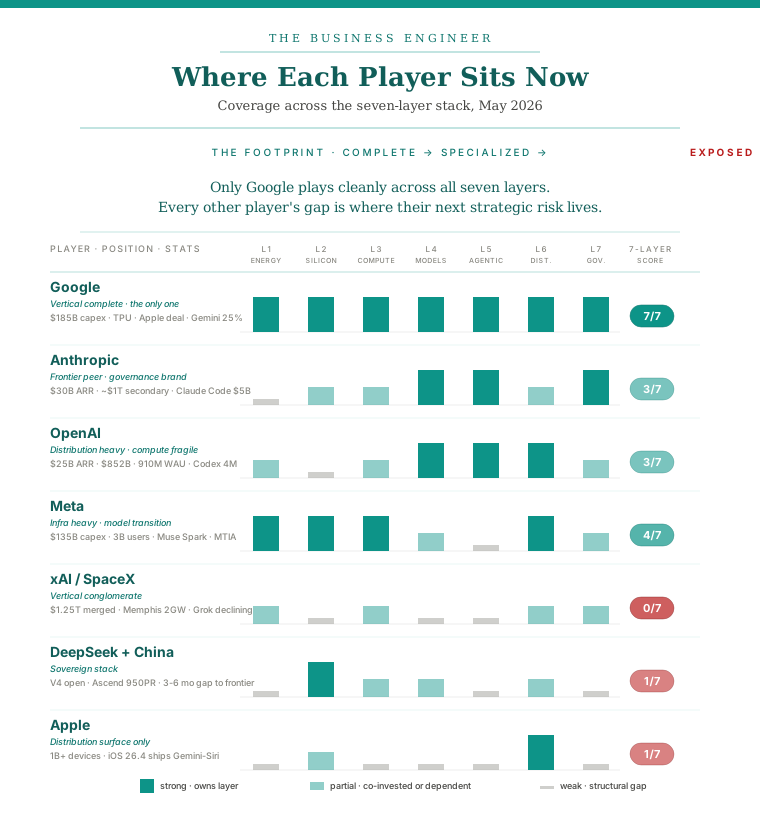
From substations to governance — where binding constraints sit. The original five-race frame evolved into seven distinct layers, each with different speeds, moats, and chokepoints.
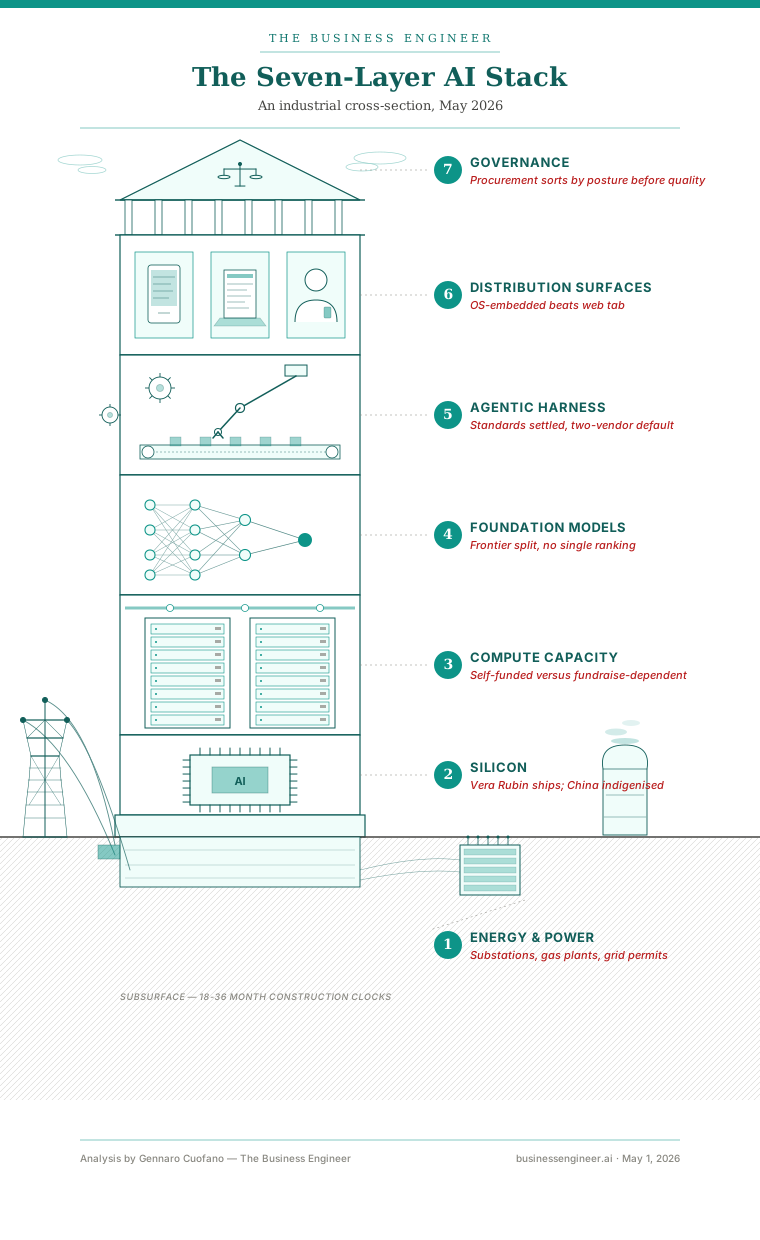
Cross-Section: Who Controls Each Layer
The full-stack view showing which companies control which layers — and where the binding constraints sit.
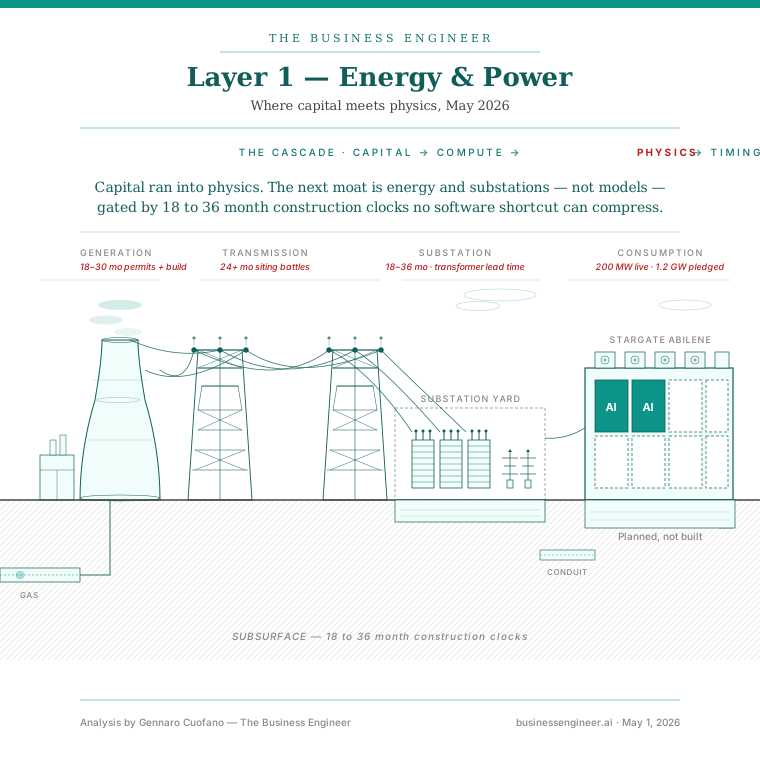
Layer 1 — Energy & Power
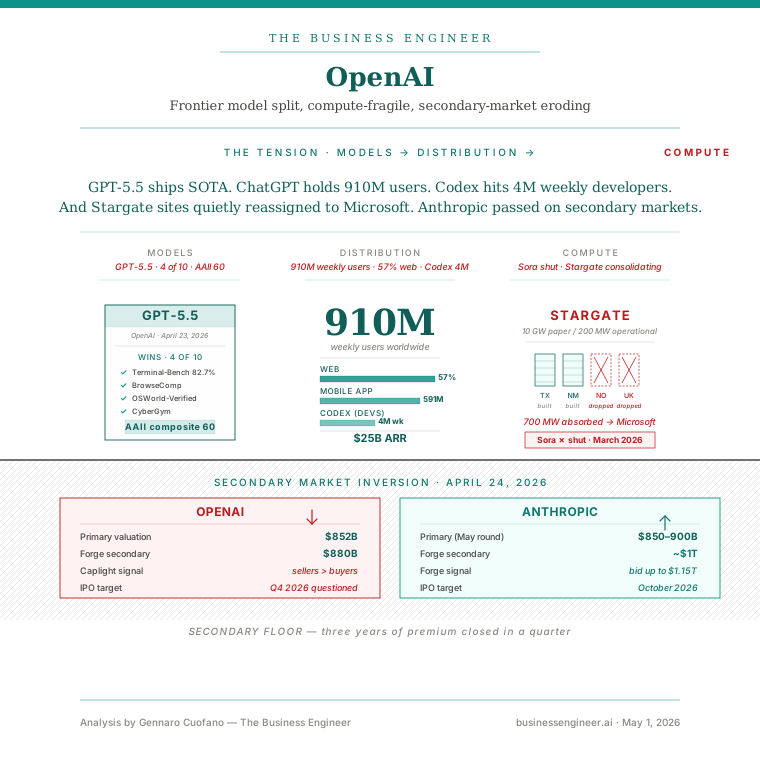
The binding constraint is now substations, gas plants, and grid permits — not GPUs. Stargate: 1.2 GW planned, only 200 MW operational.
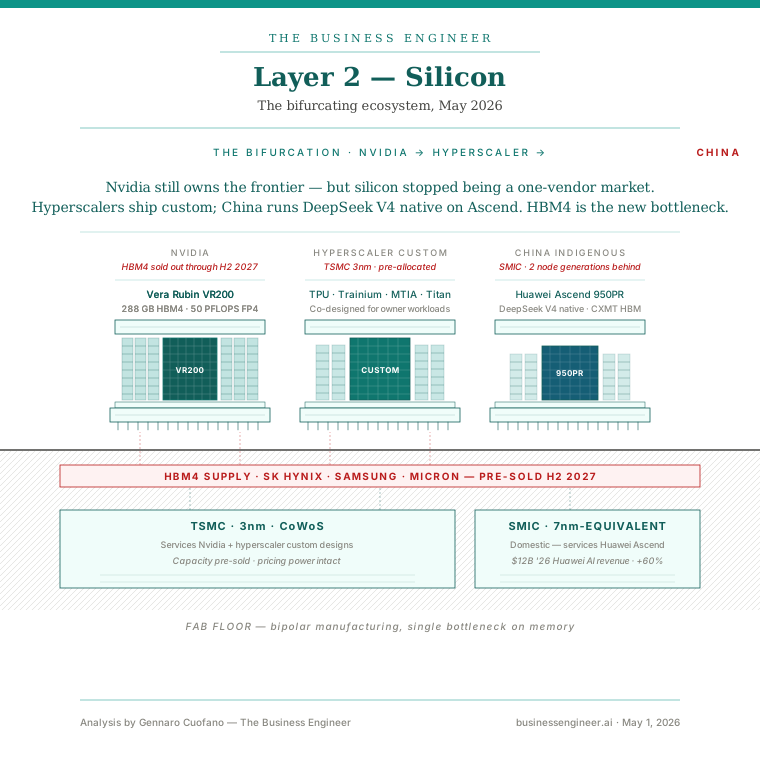
Layer 2 — Silicon
NVIDIA Vera Rubin: 336B transistors, $215.9B FY2025 revenue. Custom silicon now table stakes: Google TPU, Amazon Trainium, Meta MTIA, OpenAI Titan.
Layer 3 — Compute Capacity
Hyperscaler 2026 capex: $725 billion combined — 1% of global GDP. Microsoft $190B, Amazon $200B, Alphabet $185B, Meta $125-145B.
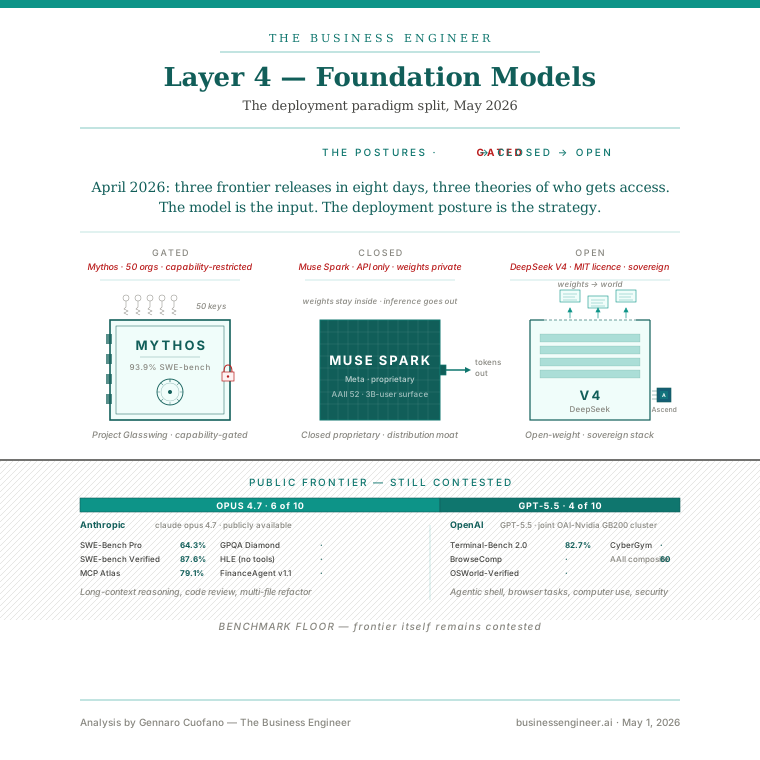
Layer 4 — Foundation Models
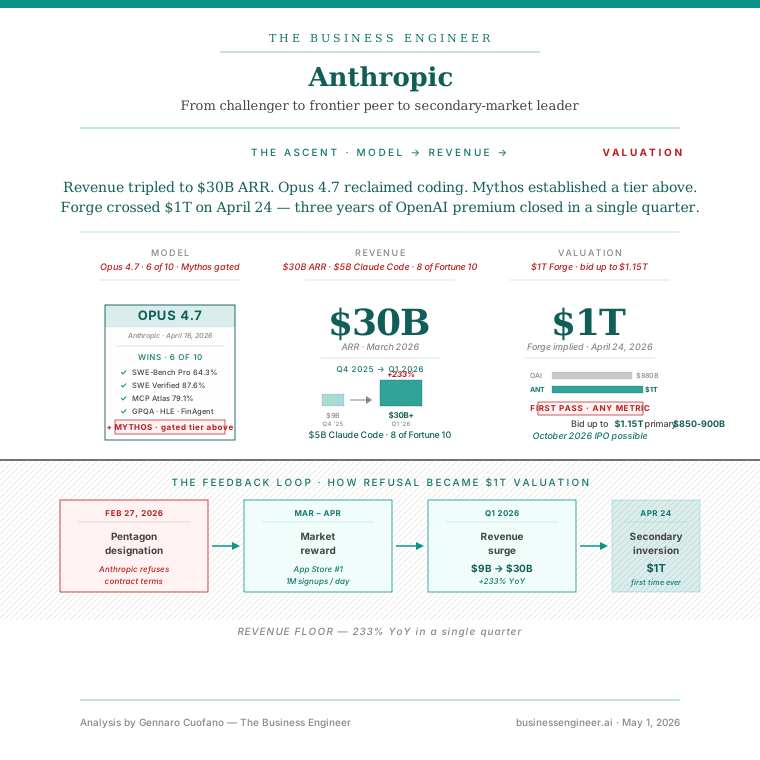
Claude Opus 4.7 vs GPT-5.5: Anthropic leads 6/10 benchmarks, OpenAI leads 4/10. Two leaders optimized for different jobs. The model is now the input.
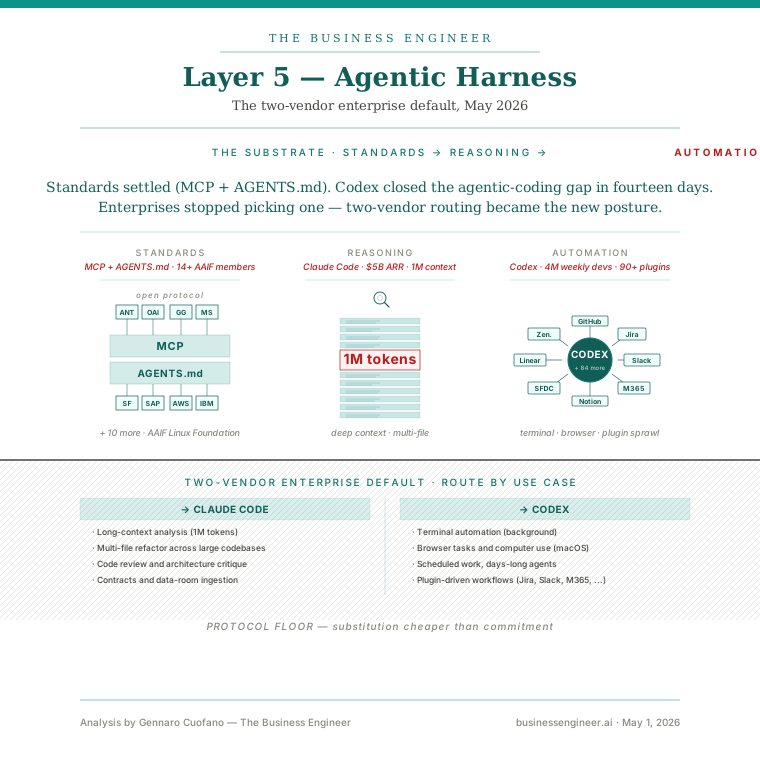
Layer 5 — Agentic Harness
MCP + AGENTS.md are the HTTP and HTML of agents. Claude Code: $5B ARR. Codex: 4M weekly developers. Two-vendor posture is enterprise default.
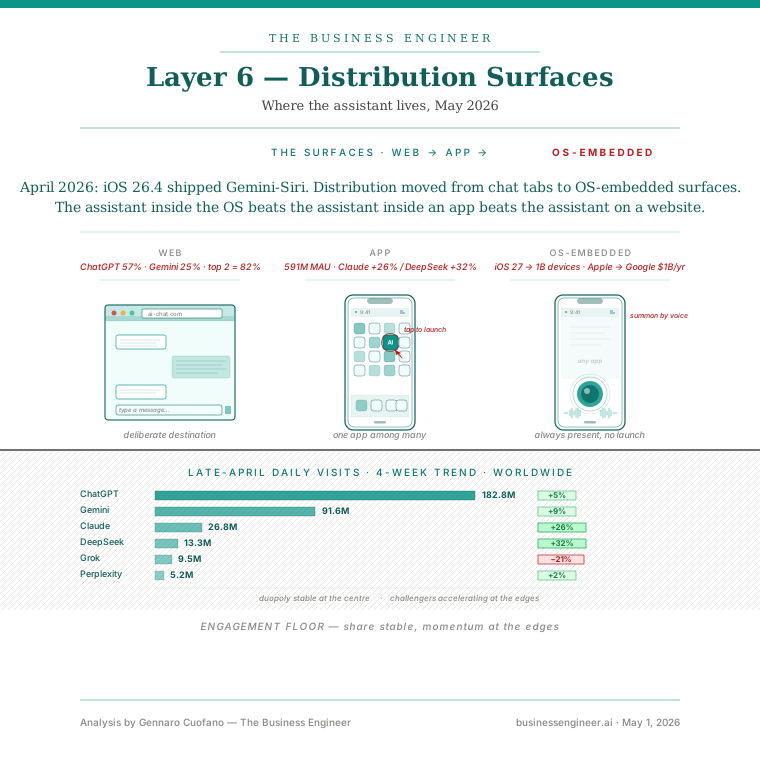
Layer 6 — Distribution Surfaces
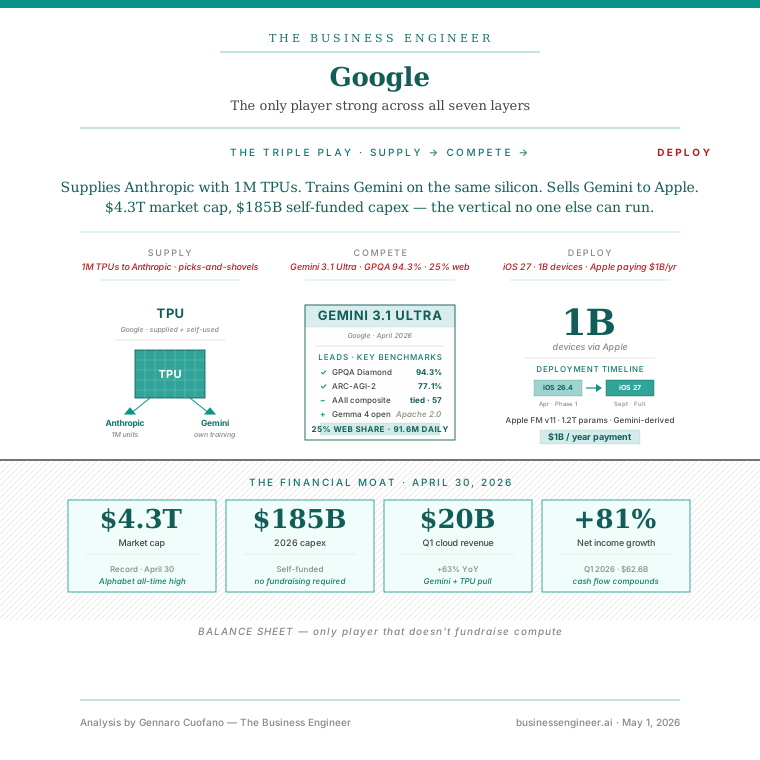
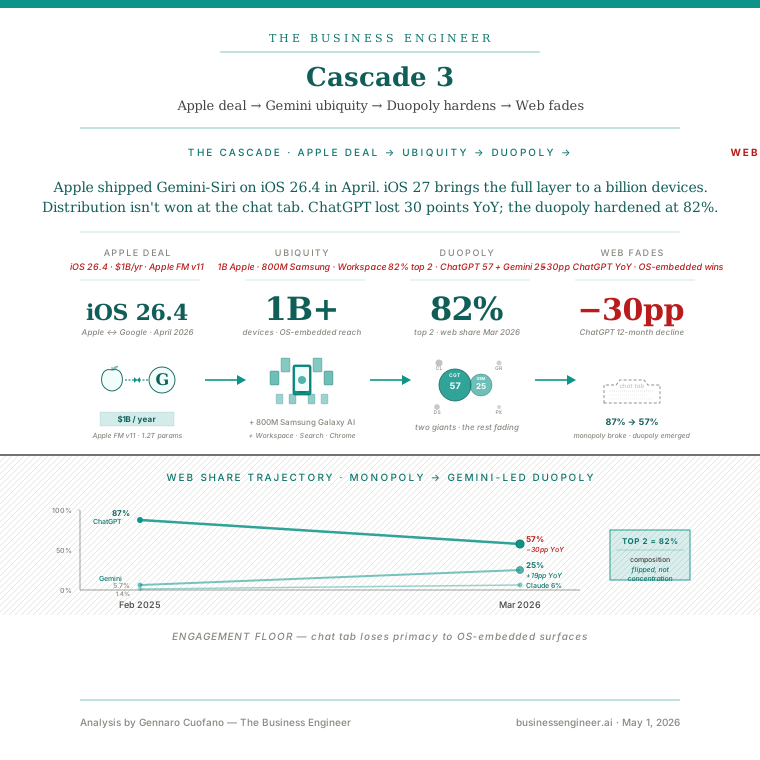
ChatGPT 57%, Gemini 25%, Claude 6% web share. iOS 27 ships full Gemini-Siri in September. OS-embedded beats web tab.
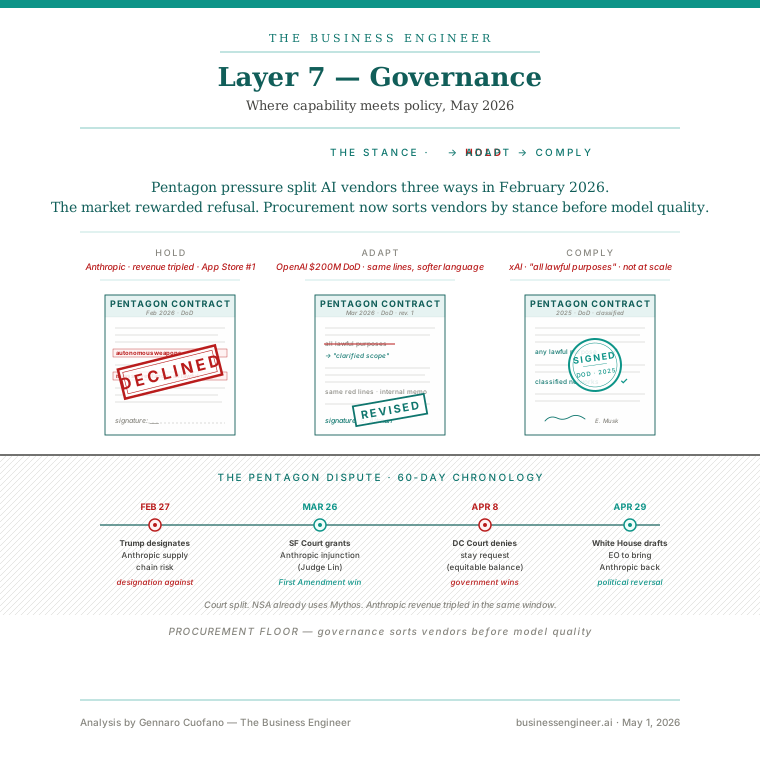
Layer 7 — Governance
Procurement sorts vendors by posture before modelquality. Capability gating shipped. Anthropic’s refusal priced at $1T secondary valuation.
Where Each Player Sits
The competitive map: who controls which layers, where they overlap, and where the gaps are.
Google / Alphabet
Full-stack dominance. TPU silicon + Cloud + Gemini models + Search/YouTube distribution + Android OS. The only player controlling all 7 layers.
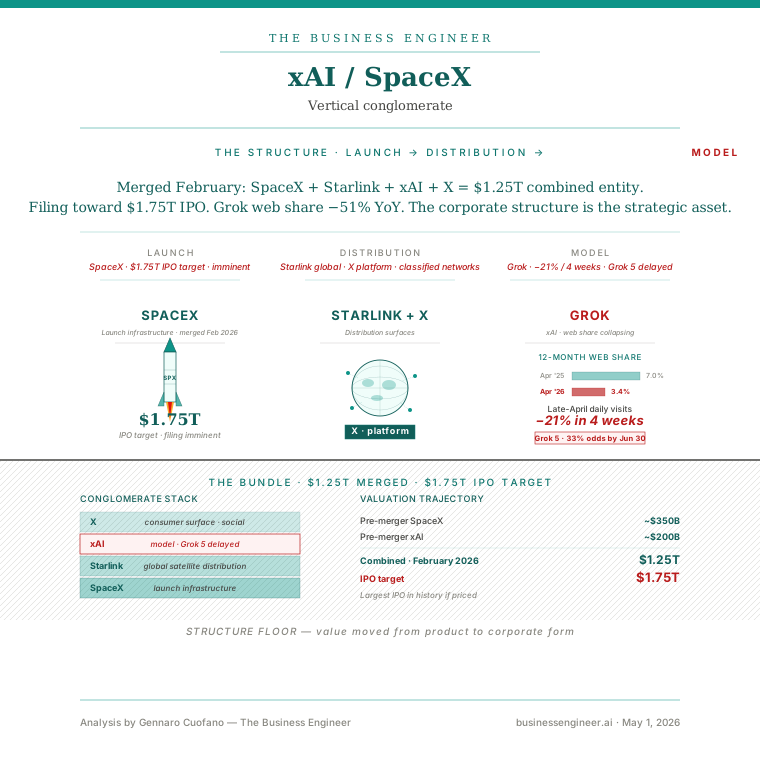
Grok signed all-lawful-purposes. Colossus supercomputer. SpaceX Starlink for edge compute distribution. 61M Grok MAU.
DeepSeek / China
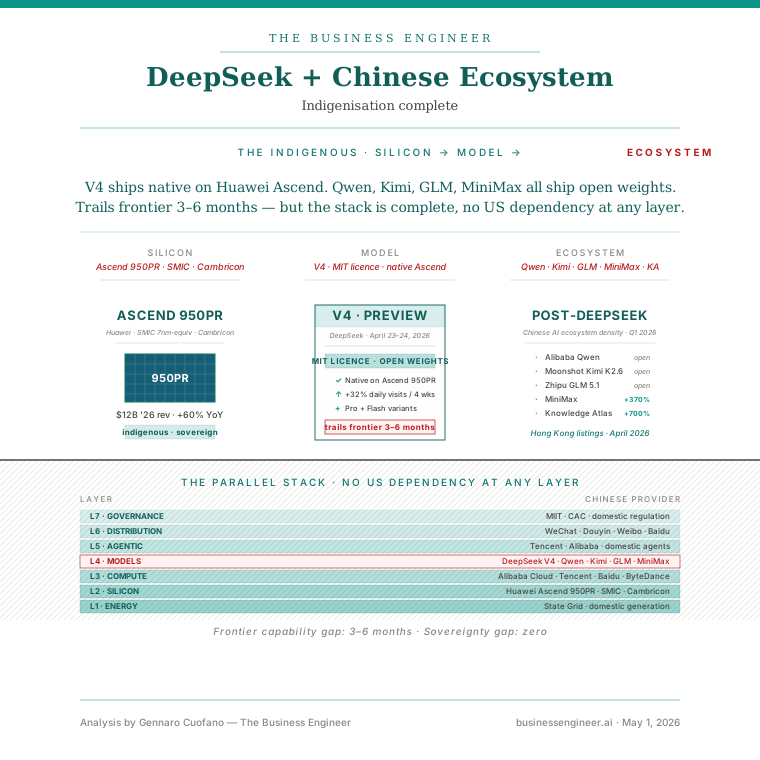
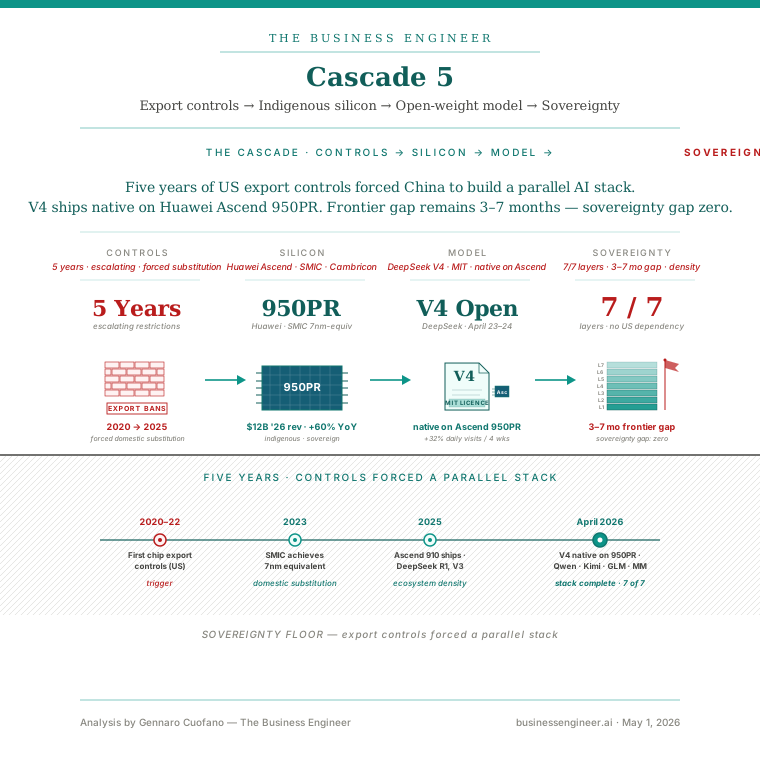
DeepSeek V4 open-weight MIT license. Huawei Ascend 950PR. SMIC fabrication. Sovereign AI stack. $12B Huawei AI chip revenue projected.
Apple
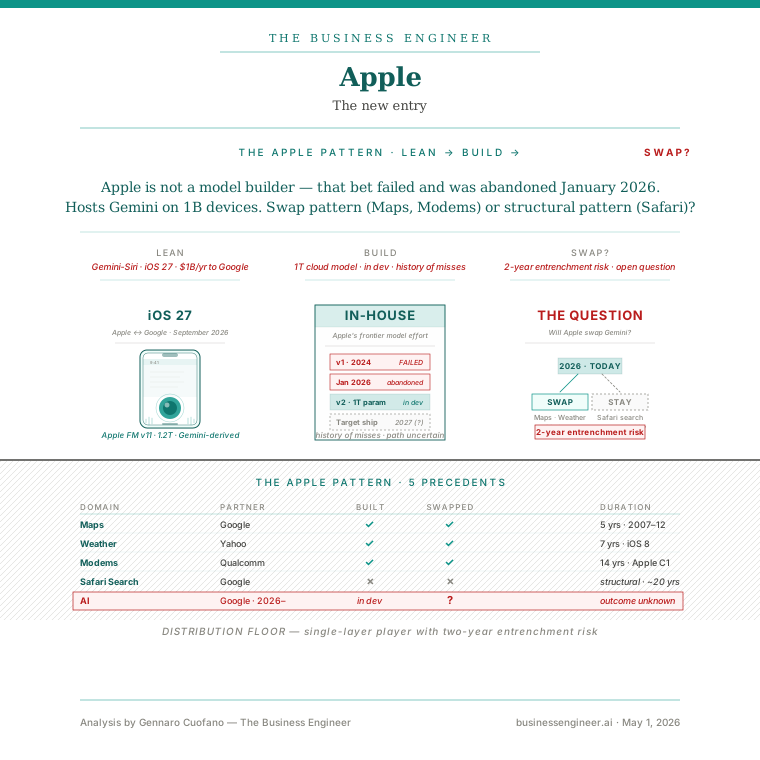
Edge moat: 2B+ devices. But no frontier model — Gemini-Siri integration proves the gap. Apple Foundation Models v11: 1.2T-parameter Gemini variant. Paying ~$1B/year.
The Five Cascades
The cascades between layers now decide outcomes. What happens at one layer propagates unpredictably through the others.
Cascade 1 — Capital
$725B combined hyperscaler capex. Self-funded buildouts dominate. Companies that fundraise compute operate on a slower clock.
Cascade 2 — Governance
Procurement sorts by posture. The Pentagon dispute. Capability gating. Refusal pricing.
Cascade 3 — Distribution
OS-embedded beats web tab. A billion devices with Gemini-Siri. Samsung Galaxy AI at 800M+.
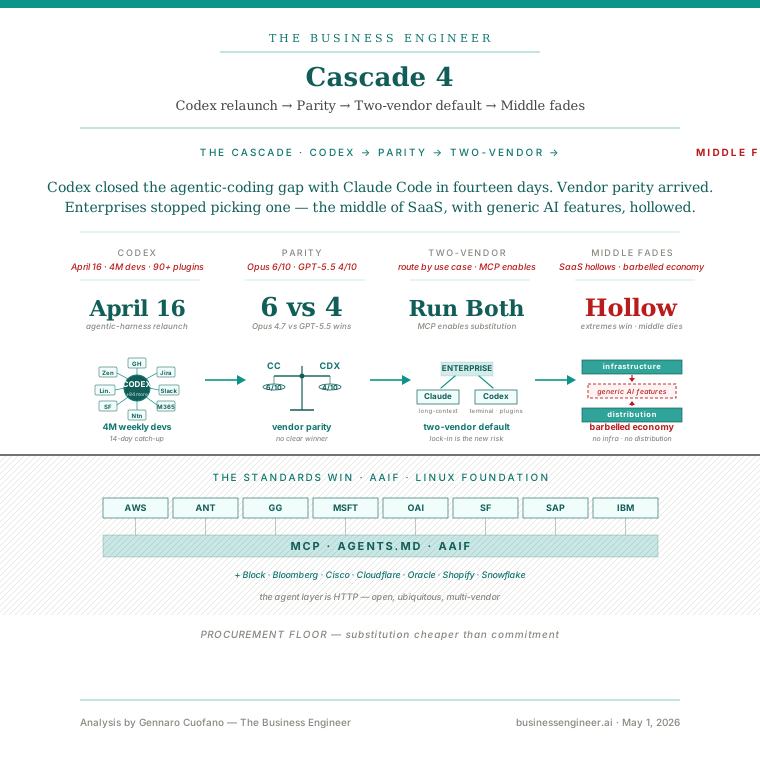
Cascade 4 — Agentic
MCP and AGENTS.md as standards. Claude Code vs Codex. Two-vendor posture. The protocol layer decides which model gets called.
Cascade 5 — Indigenisation
Sovereign AI stacks. China’s Huawei/SMIC/Cambricon. India, Europe, Middle East building independent capability.
Ten Structural Truths — May 2026
The key takeaways from analyzing the full AI landscape across all seven layers.
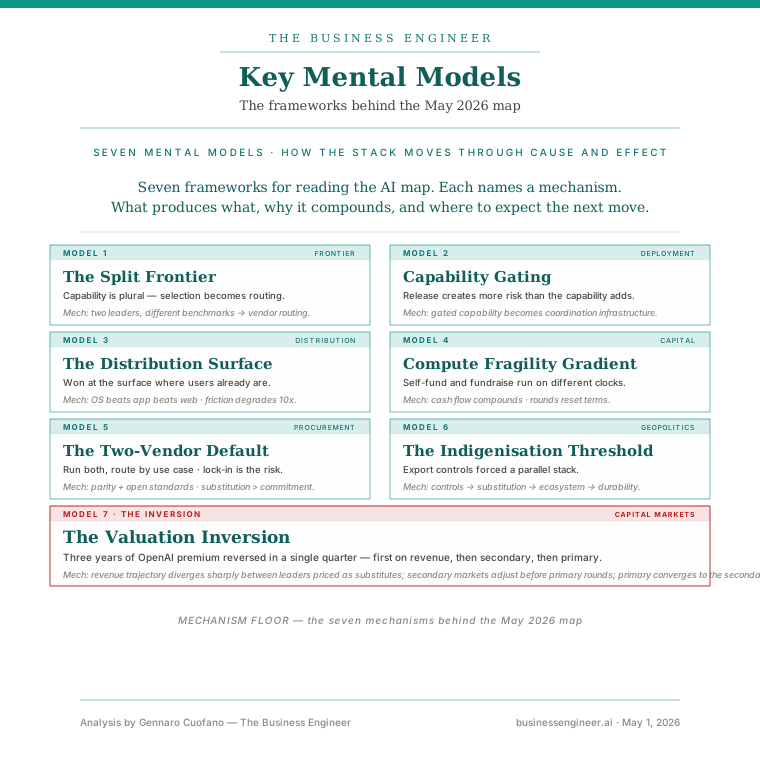
Key Mental Models
The frameworks that matter for understanding where AI is going.
Get the Full Analysis
The complete Map of AI report — 4,700+ words, 25 visual frameworks, updated monthly. Exclusive to Business Engineer subscribers.
Gennaro Cuofano is a CRO and tech executive who has worked in AI since late 2015, starting with bringing NLP, natural-language generation, voice and chatbot products to the marketing industry. His background is in law and finance: he holds a Master's degree in Law and an International MBA with an emphasis on corporate finance (LUISS Business School and the University of San Diego, 2012), and worked as a financial analyst at a real-estate investment firm in San Diego and as an assistant controller. His work focuses on business model strategy, business engineering and, more broadly, structural analysis: how companies make money, read from their own filings. He created FourWeekMBA and leads research there and at The Business Engineer, his newsletter on AI and business strategy, with over 95,000 subscribers and more than 1,000 published analyses. His writing has also appeared on Entrepreneur (for example, How to Digitize a Family Business in Europe) and HackerNoon. Find him on LinkedIn and Substack. See how we source.
Scroll to Top
Discover more from FourWeekMBA
Subscribe now to keep reading and get access to the full archive.