

| P&L Component | Type | Description | When to Use | Example | Formula |
|---|---|---|---|---|---|
| Revenue and Sales | |||||
| Total Revenue | Revenue | Represents the total income generated from sales of goods or services during a specific period. | Assess the company’s overall sales and revenue performance. | Total revenue for the year is $1,000,000. | N/A |
| Gross Revenue | Revenue | Indicates the total revenue before any deductions, such as discounts, returns, or allowances. | Evaluate the company’s total sales revenue. | Gross revenue for the quarter is $500,000. | N/A |
| Net Sales | Revenue | Represents the revenue remaining after deducting returns, discounts, and allowances from total revenue. | Assess the company’s effective sales revenue. | Net sales for the month are $75,000. | Net Sales = Total Revenue – (Returns + Discounts + Allowances) |
| Cost of Goods Sold (COGS) | |||||
| Cost of Goods Sold (COGS) | Cost | Indicates the direct costs associated with producing or purchasing goods sold during a specific period. | Assess the cost efficiency of producing or purchasing products. | COGS for the quarter is $250,000. | N/A |
| Gross Profit | Profit | Represents the profit remaining after deducting COGS from net sales. | Assess the profitability of selling goods or services. | Gross profit for the year is $400,000. | Gross Profit = Net Sales – COGS |
| Operating Expenses | |||||
| Operating Expenses | Cost | Represents the total expenses incurred in the day-to-day operations of the business, excluding COGS. | Assess the company’s cost management and operational efficiency. | Operating expenses for the quarter are $100,000. | N/A |
| Operating Income (Operating Profit) | Profit | Indicates the profit or income generated from core business operations before interest and taxes. | Assess the profitability of the company’s core operations. | Operating income for the month is $50,000. | Operating Income = Gross Profit – Operating Expenses |
| Interest and Financing Expenses | |||||
| Interest Expense | Cost | Represents the cost of borrowing money or paying interest on loans and debts. | Assess the impact of interest expenses on profitability. | Interest expense for the year is $20,000. | N/A |
| Tax Expenses | |||||
| Income Tax Expense | Cost | Indicates the amount of income tax payable by the company based on its taxable income. | Assess the company’s tax liability and overall profitability. | Income tax expense for the quarter is $10,000. | N/A |
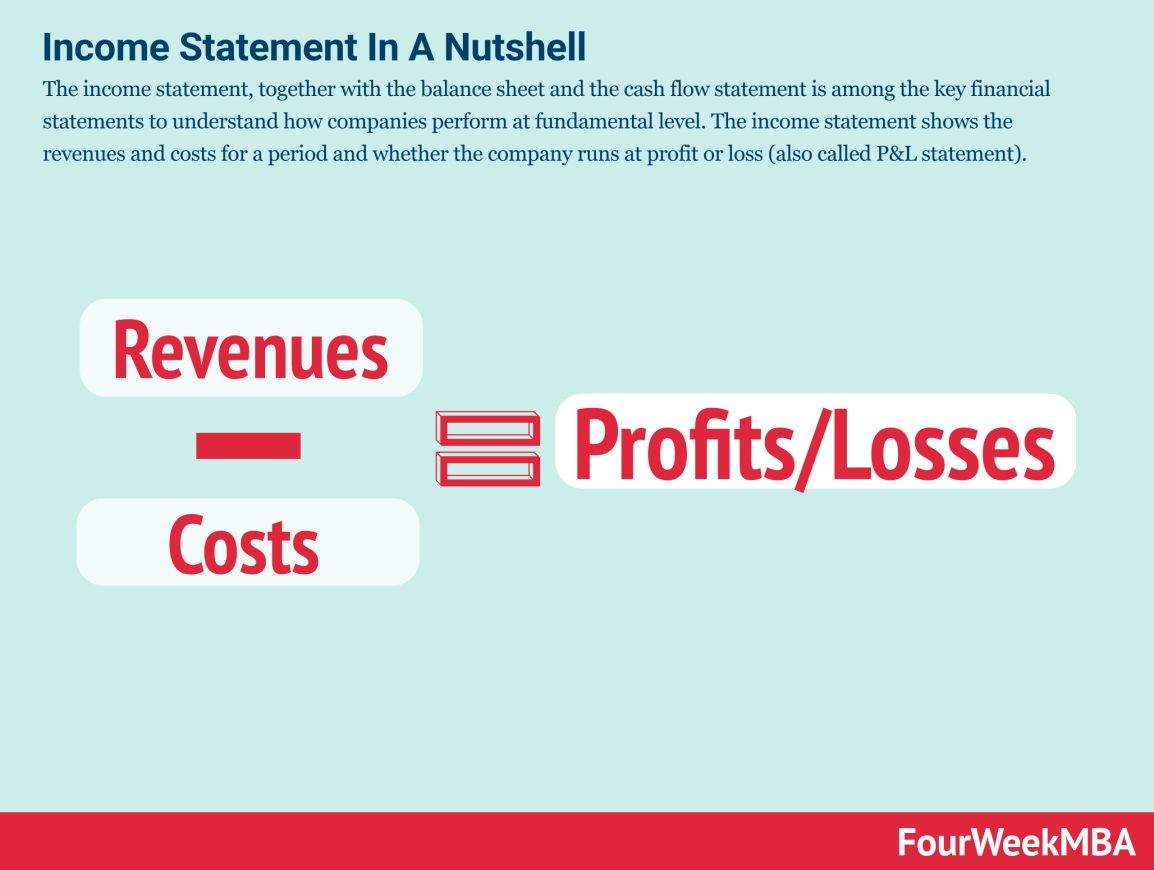
| Net Profit (Net Income) | Profit | Represents the profit remaining after deducting all expenses, including COGS, operating expenses, interest, and taxes, from revenue. | Assess the overall profitability of the company. | Net profit for the year is $200,000. | Net Profit = Gross Profit – Operating Expenses – Interest Expense – Income Tax Expense |
| Earnings Before Interest and Taxes (EBIT) | Profit | Indicates the company’s earnings before considering interest and taxes. | Assess the core operating profitability of the company. | EBIT for the quarter is $80,000. | EBIT = Operating Income + Interest Expense |
| Earnings Before Interest, Taxes, Depreciation, and Amortization (EBITDA) | Profit | Represents the company’s earnings before interest, taxes, depreciation, and amortization expenses. | Assess the company’s operational profitability and cash flow. | EBITDA for the year is $300,000. | EBITDA = EBIT + Depreciation + Amortization |
Connected Financial Concepts






Frequently Asked Questions
What are the key components of Profit and Loss Formulas?
The key components of Profit and Loss Formulas include Total Revenue, Gross Revenue, Net Sales, Gross Profit, Operating Income (Operating Profit). Total Revenue: Revenue


