

| Profitability Ratio | Description | When to Use | Example | Formula |
|---|---|---|---|---|
| Return on Equity (ROE) | Measures a company’s profitability relative to shareholders’ equity. | Assess how efficiently equity is used to generate profits. | An ROE of 15% indicates a company generated a 15% return on shareholders’ equity. | ROE = Net Income / Shareholders’ Equity |
| Return on Assets (ROA) | Measures a company’s profitability relative to its total assets. | Assess how efficiently assets are used to generate profits. | An ROA of 10% means a company earned a 10% return on total assets. | ROA = Net Income / Total Assets |
| Gross Margin | Measures the percentage of revenue that remains after subtracting the cost of goods sold (COGS). | Assess a company’s ability to control production costs. | A gross margin of 30% indicates a 70% profit on COGS. | Gross Margin = (Revenue – COGS) / Revenue |
| Operating Margin | Measures the percentage of revenue that remains after operating expenses are deducted. | Assess a company’s operational efficiency. | An operating margin of 15% means 15% of revenue remains as profit after operating expenses. | Operating Margin = Operating Income / Revenue |
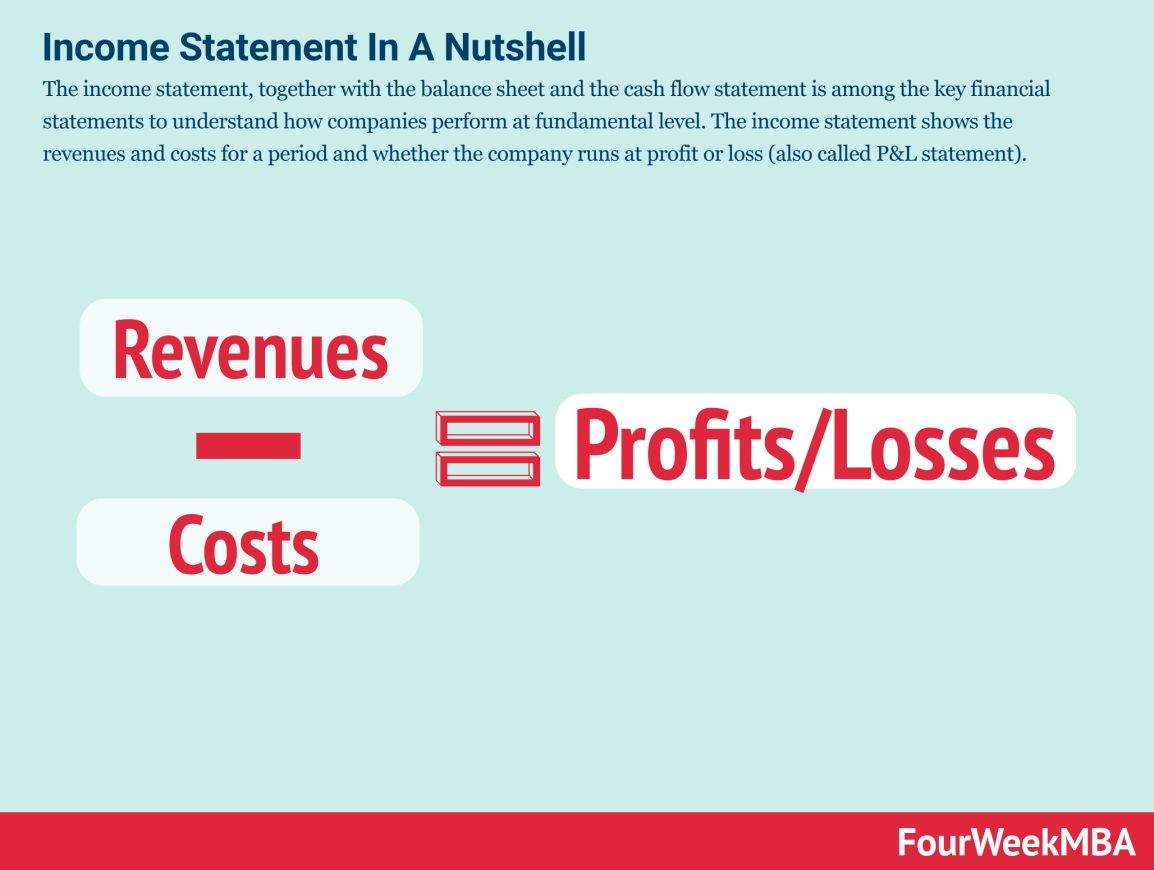
| Net Profit Margin | Measures the percentage of revenue that remains as profit after all expenses, including taxes and interest. | Assess overall profitability. | A net profit margin of 8% means 8% of revenue is profit after all expenses. | Net Profit Margin = Net Income / Revenue |
| Earnings Before Interest and Taxes (EBIT) Margin | Measures the percentage of revenue that remains before interest and taxes are deducted. | Assess operating performance without considering financing decisions. | An EBIT margin of 20% indicates strong operational performance. | EBIT Margin = Earnings Before Interest and Taxes (EBIT) / Revenue |
| Earnings Before Interest, Taxes, Depreciation, and Amortization (EBITDA) Margin | Measures the percentage of revenue that remains before interest, taxes, depreciation, and amortization are deducted. | Assess operating performance with a focus on cash flow. | An EBITDA margin of 25% indicates efficient operation. | EBITDA Margin = EBITDA / Revenue |
| Free Cash Flow (FCF) Margin | Measures the percentage of revenue that remains as free cash flow after all operating and capital expenses. | Evaluate a company’s ability to generate cash. | An FCF margin of 10% means 10% of revenue is available as free cash flow. | FCF Margin = FCF / Revenue |
| Return on Sales (ROS) | Measures the percentage of revenue that remains as profit after all expenses. | Assess overall profitability. | An ROS of 12% means 12% of revenue is profit after all expenses. | ROS = Net Income / Total Revenue |
| Net Profit Margin Ratio | Measures the relationship between net profit and total revenue as a ratio. | Assess the portion of revenue that is retained as profit. | A net profit margin ratio of 0.12 means 12% of revenue is profit. | Net Profit Margin Ratio = Net Profit / Total Revenue |
| Operating Income Margin Ratio | Measures the percentage of total revenue that is retained as operating income. | Assess the efficiency of core operations. | An operating income margin ratio of 0.18 indicates 18% of revenue is operating income. | Operating Income Margin Ratio = Operating Income / Total Revenue |
| Gross Profit Margin Ratio | Measures the relationship between gross profit and total revenue as a ratio. | Assess the profit retained after accounting for production costs. | A gross profit margin ratio of 0.40 indicates 40% of revenue is gross profit. | Gross Profit Margin Ratio = Gross Profit / Total Revenue |
| Earnings Before Interest and Taxes (EBIT) Margin Ratio | Measures the proportion of EBIT to total revenue as a ratio. | Evaluate the efficiency of operations in generating EBIT. | An EBIT margin ratio of 0.15 means 15% of revenue is EBIT. | EBIT Margin Ratio = EBIT / Total Revenue |
| Earnings Before Interest, Taxes, Depreciation, and Amortization (EBITDA) Margin Ratio | Measures the proportion of EBITDA to total revenue as a ratio. | Assess the efficiency of operations in generating EBITDA. | An EBITDA margin ratio of 0.25 means 25% of revenue is EBITDA. | EBITDA Margin Ratio = EBITDA / Total Revenue |
| Net Profit Margin Percentage | Measures the percentage of net profit relative to total revenue. | Assess the profit retained after all expenses. | A net profit margin percentage of 10% means 10% of revenue is net profit. | Net Profit Margin Percentage = (Net Profit / Total Revenue) * 100 |
| Operating Income Margin Percentage | Measures the percentage of operating income relative to total revenue. | Evaluate the efficiency of core operations. | An operating income margin percentage of 18% means 18% of revenue is operating income. | Operating Income Margin Percentage = (Operating Income / Total Revenue) * 100 |
| Gross Profit Margin Percentage | Measures the percentage of gross profit relative to total revenue. | Assess the profit retained after accounting for production costs. | A gross profit margin percentage of 40% means 40% of revenue is gross profit. | Gross Profit Margin Percentage = (Gross Profit / Total Revenue) * 100 |
| Earnings Before Interest and Taxes (EBIT) Margin Percentage | Measures the percentage of EBIT relative to total revenue. | Evaluate the efficiency of operations in generating EBIT. | An EBIT margin percentage of 15% means 15% of revenue is EBIT. | EBIT Margin Percentage = (EBIT / Total Revenue) * 100 |
| Earnings Before Interest, Taxes, Depreciation, and Amortization (EBITDA) Margin Percentage | Measures the percentage of EBITDA relative to total revenue. | Assess the efficiency of operations in generating EBITDA. | An EBITDA margin percentage of 25% means 25% of revenue is EBITDA. | EBITDA Margin Percentage = (EBITDA / Total Revenue) * 100 |
Connected Financial Concepts






Frequently Asked Questions
What are the key components of Profitability Ratios?
The key components of Profitability Ratios include Return on Equity (ROE), Return on Assets (ROA), Gross Margin, Operating Margin, Net Profit Margin. Return on Equity (ROE): Measures a company’s profitability relative to shareholders’ equity. Return on Assets (ROA): Measures a company’s profitability relative to its total assets.


