| Year | iOS | Android |
| 2022 | 26.98% | 72.37% |
The release of the iPhone in 2007, and thereafter, the release of the App Store by 2008, set Apple as the dominant player in the smartphone industry.
Indeed, the combination of hardware (iPhone), operating system (iOS), and marketplace (App Store) was the propeller of Apple’s business model.

Concerned about the dominance of the App Store, and therefore of the iPhone, as the primary device for navigating the mobile web, Google, fearing this would soon make its search business commoditized, it used Android as a counterforce against Apple’s potential supremacy in the space.
In fact, back in 2005, a couple of years before the release of the iPhone, Google had bought Android, a “software for mobile phones.”
Yet, the real countermove from Google came a few months after the launch of the iPhone (launched in June 2007), when Google announced the Open Handset Alliance.
It was November 2007, and as announced back then:
A broad alliance of leading technology and wireless companies today joined forces to announce the development of Android, the first truly open and comprehensive platform for mobile devices. Google Inc., T-Mobile, HTC, Qualcomm, Motorola and others have collaborated on the development of Android through the Open Handset Alliance, a multinational alliance of technology and mobile industry leaders.
While there was no mention of Apple, as you can imagine, that alliance was created to counteract the potential rise of Apple as the dominant player in the smartphone industry.
Android turned out to be the largest mobile platform, comprising many manufacturers across the world.
The attempt of Google to block Apple from monopolizing the mobile market, thus, making Google’s search a commodity in the future, it turned out as the other most important mobile platform.
Today, Android and iOS combined power up the trillion-dollar mobile ecosystem. And the vertical integration Google reached via Android enabled the company to maintain its relevance in the search business.
| Aspect | iOS | Android |
|---|---|---|
| Introduction | iOS is a mobile operating system developed by Apple Inc. It was first introduced with the release of the original iPhone in 2007. iOS is exclusive to Apple’s mobile devices, including iPhones and iPads. | Android is a mobile operating system developed by the Open Handset Alliance (OHA), led by Google. It was officially launched in 2008 and is used by a wide range of smartphone manufacturers, including Samsung, Google, and many others. |
| Device Ecosystem | – iOS is tightly integrated with Apple’s hardware, providing a seamless and controlled user experience across iPhones, iPads, and other Apple devices. – Apple’s devices are known for their premium build quality and design. | – Android is an open-source OS, allowing it to run on a vast array of devices from different manufacturers, offering a wide range of options in terms of form factors, features, and price points. – Android devices cater to a broad spectrum of users, from budget-conscious consumers to those seeking high-end specifications. |
| App Ecosystem | – The Apple App Store is the exclusive marketplace for iOS apps. It is known for its strict app review process, which aims to ensure app quality and security. – iOS users benefit from a large and diverse app ecosystem, including premium apps and games. | – The Google Play Store is the primary marketplace for Android apps. It offers a vast selection of apps, including free, freemium, and paid options. The open nature of Android allows for third-party app stores. |
| User Interface (UI) | – iOS features a clean and intuitive user interface known for its simplicity and ease of use. – Apple’s UI design emphasizes consistency and uniformity across its devices and apps. – iOS is characterized by its grid of icons on the home screen. | – Android provides a customizable user experience with a diverse range of user interfaces, depending on the manufacturer and device. – Android users can personalize their home screens with widgets, icons, and custom launchers. |
| Customization and Control | – iOS offers limited customization options compared to Android. Users have control over basic settings but have less freedom to modify the core system or install apps from outside the App Store. – Apple prioritizes security and privacy, which results in a more controlled environment. | – Android offers extensive customization options, allowing users to personalize their devices extensively. Users can install apps from various sources, including third-party app stores, sideloading, and more. This flexibility grants users more control over their devices but may require additional caution. |
| Updates and Fragmentation | – Apple typically provides timely iOS updates to its entire device lineup, ensuring a consistent and up-to-date user experience. – iOS devices generally receive updates for several years after their release. | – Android updates depend on both manufacturers and carriers, leading to fragmentation in the Android ecosystem. Some devices may receive updates promptly, while others may not receive them at all. This variation can result in older versions of Android remaining in use. |
| Voice Assistants | – Siri, Apple’s voice assistant, is integrated into iOS devices and provides voice-controlled features, including web searches, setting reminders, and sending messages. | – Google Assistant is integrated into Android devices and offers a robust voice-controlled experience, including web searches, navigation, and smart home control. It also benefits from Google’s extensive knowledge graph. |
| Ecosystem Lock-In | – iOS devices are part of a tightly integrated ecosystem, with services like iCloud, iMessage, and Apple Music designed to work seamlessly together. – This can create a sense of lock-in, as users who heavily rely on Apple’s ecosystem may find it challenging to switch to other platforms. | – Android is more open in terms of ecosystem compatibility. Users can use various Google services on non-Android platforms, and the flexibility of Android makes it easier to transition between devices and ecosystems. |
| Privacy and Security | – Apple places a strong emphasis on user privacy and security. It offers features such as App Store review, hardware-backed security, and privacy-focused tools like App Tracking Transparency. – iOS devices are known for their robust security features. | – Android also prioritizes security and offers features like Google Play Protect. However, the open nature of Android can make it susceptible to potential security risks, particularly on devices without regular updates. Users should exercise caution and make informed choices regarding app permissions and sources. |
| Multitasking and Productivity | – iOS offers a smooth multitasking experience, with features like Split View and Slide Over on iPads, enabling efficient multitasking. – iOS devices are popular choices for productivity, particularly in creative fields with apps like GarageBand and iMovie. | – Android offers multitasking capabilities, including split-screen view and floating apps, providing flexibility for productivity tasks. The availability of Android devices with stylus support makes them suitable for various creative applications. |
| Gaming | – iOS devices are popular among gamers due to their powerful hardware and the availability of high-quality games on the App Store. – Apple Arcade, a subscription service, offers exclusive games for iOS users. | – Android devices also offer a wide range of gaming options, with access to popular titles through the Google Play Store. Google Play Pass provides a subscription service for games and apps. |
| Accessibility | – iOS devices are recognized for their robust accessibility features, including VoiceOver, Magnifier, and AssistiveTouch, making them accessible to users with disabilities. | – Android offers various accessibility features, such as TalkBack and Live Transcribe, catering to users with different accessibility needs. |
| Maps and Navigation | – Apple Maps provides navigation and location services, with features like turn-by-turn directions and public transit information. – CarPlay offers seamless integration with vehicle infotainment systems. | – Google Maps is widely used on Android for navigation and location services. It offers extensive mapping data, real-time traffic information, and Street View. Android Auto provides integration with car systems. |
| Integration with Smart Devices | – iOS offers integration with Apple’s HomeKit platform, allowing users to control smart home devices using Siri and the Home app. – Apple Watch, AirPods, and other Apple accessories seamlessly connect with iOS devices. | – Android works with a variety of smart home ecosystems, including Google Home, Amazon Alexa, and others. Android smartphones are compatible with a wide range of smart devices, offering flexibility in creating a connected home. |
Related Case Studies

Apple Business Model Evolution


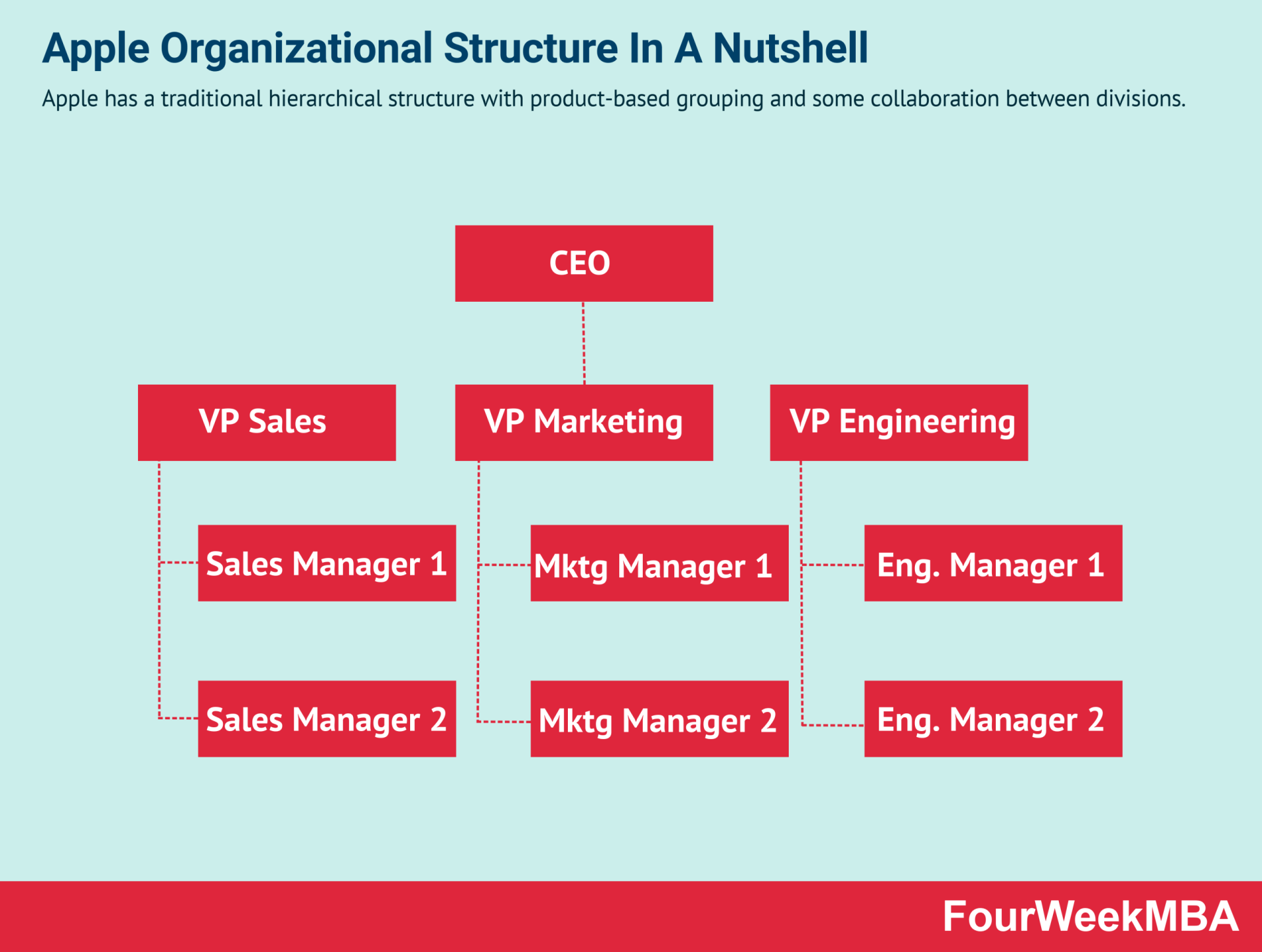
Apple Organizational Structure