

Information sharing is the process of making knowledge, data, or insights available to others within an organization or to external stakeholders. It encompasses various forms of communication, including verbal, written, and digital channels.
The Role of Information
Information serves as the lifeblood of organizations. It enables decision-making, problem-solving, and innovation. Effective information sharing is essential for knowledge dissemination, learning, and growth.
Benefits of Information Sharing
Implementing robust information sharing practices offers numerous benefits:
- Enhanced Collaboration: Information sharing fosters collaboration among individuals and teams, breaking down silos and promoting cross-functional cooperation.
- Innovation Catalyst: Access to diverse information sources and ideas fuels innovation and creative problem-solving.
- Informed Decision-Making: Decision-makers rely on timely and accurate information to make informed choices.
- Efficiency and Productivity: Streamlined access to information accelerates processes and boosts overall productivity.
- Learning and Development: Information sharing facilitates learning and continuous development, helping individuals and organizations stay competitive.
Challenges of Information Sharing
While the benefits are substantial, there are challenges to consider:
- Data Security: Protecting sensitive information and ensuring data security is paramount.
- Information Overload: Copious amounts of information can overwhelm individuals, leading to information fatigue.
- Cultural Barriers: Some organizational cultures may discourage information sharing due to concerns about competition or hierarchy.
- Technology Complexity: Keeping up with evolving technology and data management systems can be challenging.
- Data Quality: Ensuring the accuracy and reliability of shared information is crucial.
The Role of Leadership in Information Sharing
Leaders play a pivotal role in promoting effective information sharing:
- Setting Expectations: Leaders should set expectations for transparent and open information sharing practices.
- Cultural Alignment: Leaders must ensure that the organizational culture aligns with information sharing goals.
- Technology Adoption: Encouraging the adoption of technologies that facilitate information sharing is essential.
- Data Governance: Leaders should establish data governance practices to maintain data quality and security.
- Recognition and Rewards: Recognizing and rewarding individuals and teams for their contributions to information sharing can reinforce desired behaviors.
Information Sharing in Practice
Implementing effective information sharing has tangible real-world implications:
- Project Collaboration: Teams collaborating on projects rely on shared information to make progress and achieve goals.
- Supply Chain Management: In supply chain operations, sharing real-time data helps optimize processes and reduce inefficiencies.
- Customer Engagement: Organizations use customer data and insights to personalize interactions and improve customer satisfaction.
- Research and Development: Research teams depend on shared information to advance scientific discoveries and innovations.
- Crisis Response: During crises, such as natural disasters or public health emergencies, information sharing is critical for coordinated responses.
Navigating Information Sharing
Successfully navigating information sharing requires a strategic approach:
- Data Strategy: Develop a comprehensive data strategy that addresses data governance, security, quality, and access.
- Training and Education: Provide training to employees on responsible information sharing practices.
- Technology Infrastructure: Invest in technology infrastructure that supports secure and efficient data sharing.
- Communication: Establish clear communication channels and protocols for information sharing.
- Feedback Mechanisms: Implement feedback mechanisms to assess the effectiveness of information sharing practices.
Real-World Examples of Information Sharing
Several organizations are recognized for their effective information sharing practices:
- NASA: NASA’s open data policy allows researchers, scientists, and the public to access and utilize a vast amount of space-related data.
- Wikipedia: Wikipedia is a collaborative platform that relies on the voluntary sharing of information and knowledge by contributors worldwide.
- Open Source Communities: Open-source software and technology communities share code, documentation, and insights to advance technology development.
- Healthcare Information Exchanges: In the healthcare sector, information sharing through health information exchanges improves patient care coordination.
- Global Alliances: International organizations and alliances share information on various topics, from climate change to public health.
Conclusion
Information sharing is a powerful catalyst for collaboration, innovation, and organizational success. While it comes with challenges, the benefits of enhanced collaboration, informed decision-making, and accelerated productivity are substantial. Leaders play a pivotal role in setting expectations, fostering a culture of openness, and adopting technology that facilitates information sharing. In today’s interconnected world, organizations that prioritize effective information sharing are better positioned to adapt, innovate, and thrive. By embracing information sharing as a core practice, organizations can harness the collective knowledge and expertise of their teams, driving progress and achieving their full potential.
Key Highlights:
- Definition: Information sharing involves making knowledge, data, or insights available to others within an organization or to external stakeholders through various communication channels.
- Role of Information: Information serves as the lifeblood of organizations, enabling decision-making, problem-solving, and innovation. It supports knowledge dissemination, learning, and growth.
- Benefits:
- Enhanced Collaboration
- Catalyst for Innovation
- Informed Decision-Making
- Efficiency and Productivity
- Learning and Development
- Challenges:
- Data Security
- Information Overload
- Cultural Barriers
- Technology Complexity
- Data Quality
- Leadership Role: Leaders play a crucial role in promoting effective information sharing by setting expectations, aligning culture, promoting technology adoption, establishing data governance, and recognizing contributions.
- Information Sharing in Practice:
- Project Collaboration
- Supply Chain Management
- Customer Engagement
- Research and Development
- Crisis Response
- Navigating Information Sharing:
- Data Strategy
- Training and Education
- Technology Infrastructure
- Communication
- Feedback Mechanisms
- Real-World Examples:
- NASA
- Wikipedia
- Open Source Communities
- Healthcare Information Exchanges
- Global Alliances
- Conclusion: Effective information sharing is a catalyst for collaboration, innovation, and organizational success. Leaders play a critical role in fostering a culture of openness and adopting technology to facilitate information sharing. Prioritizing information sharing helps organizations adapt, innovate, and thrive in today’s interconnected world.
| Related Framework | Description | When to Apply |
|---|---|---|
| Data Sharing Agreements | – Formal agreements or contracts between parties outlining the terms, conditions, and procedures for sharing data or information. – Data Sharing Agreements specify data ownership, access rights, security measures, and usage restrictions to ensure compliance with legal and regulatory requirements and protect sensitive information. | Inter-organizational collaborations, data partnerships, research collaborations, cross-border data transfers |
| Knowledge Management Systems (KMS) | – Systems and processes designed to facilitate the creation, storage, sharing, and utilization of knowledge within organizations. – Knowledge Management Systems include databases, intranets, wikis, and collaboration platforms that enable employees to access, contribute to, and leverage organizational knowledge resources. | Organizational learning initiatives, project management, innovation processes, expertise location |
| Information Sharing Networks | – Collaborative networks or communities of practice where individuals or organizations share information, insights, and best practices related to specific topics, industries, or domains. – Information Sharing Networks foster knowledge exchange, collaboration, and peer learning among members to address common challenges and opportunities. | Industry associations, professional networks, research consortia, online communities |
| Open Data Initiatives | – Government-led efforts to make public sector data freely available and accessible to citizens, businesses, and organizations for use and reuse. – Open Data Initiatives aim to promote transparency, accountability, and innovation by providing valuable datasets on various topics, including demographics, economics, and public services. | Civic engagement initiatives, policy analysis, economic development projects, data-driven innovation |
| Interagency Information Sharing | – Formal or informal arrangements between government agencies or departments to exchange information, intelligence, or resources to support common missions or objectives. – Interagency Information Sharing enhances coordination, collaboration, and situational awareness among agencies involved in national security, law enforcement, emergency response, or public safety efforts. | Counterterrorism operations, disaster response coordination, criminal investigations, public health emergencies |
| Cross-Sector Data Collaboratives | – Partnerships between public, private, and nonprofit organizations to share and analyze data for social good or public interest purposes. – Cross-Sector Data Collaboratives address societal challenges by leveraging data assets, expertise, and resources from multiple sectors to inform decision-making and drive collective action for positive social impact. | Public health surveillance, urban planning, environmental conservation, poverty alleviation initiatives |
| Intellectual Property (IP) Sharing Agreements | – Agreements between organizations to share or license intellectual property (IP) rights, such as patents, copyrights, or trademarks, for mutual benefit or collaborative purposes. – IP Sharing Agreements outline the terms, conditions, and restrictions for using, reproducing, or commercializing shared IP assets while protecting the interests and rights of the parties involved. | Technology licensing agreements, research collaborations, joint product development projects, technology transfer initiatives |
| Cyber Threat Intelligence Sharing | – The exchange of actionable information and insights related to cybersecurity threats, vulnerabilities, and incidents among organizations, government agencies, and industry partners. – Cyber Threat Intelligence Sharing enhances collective defense capabilities and enables proactive risk mitigation and incident response across interconnected networks and systems. | Cybersecurity operations, threat detection and prevention, incident response coordination, security information sharing platforms |
| Open Access Publishing | – A publishing model that provides unrestricted access to scholarly research articles, publications, and datasets online, free of charge or subscription barriers. – Open Access Publishing facilitates the dissemination of scientific knowledge and promotes collaboration, innovation, and public engagement in research across disciplines and geographic regions. | Academic research dissemination, scientific communication, knowledge dissemination, public education initiatives |
| Secure Data Sharing Protocols | – Technical standards, protocols, and encryption mechanisms designed to facilitate secure and confidential sharing of sensitive or classified information among authorized parties. – Secure Data Sharing Protocols ensure data integrity, confidentiality, and authenticity while minimizing the risk of unauthorized access or data breaches during transmission or storage. | Government intelligence sharing, confidential business communications, healthcare data exchange, financial transactions |
Read Next: Organizational Structure.
Types of Organizational Structures

Siloed Organizational Structures
Functional

Divisional

Open Organizational Structures
Matrix

Flat

Connected Business Frameworks


Nadler-Tushman Congruence Model

McKinsey’s Seven Degrees of Freedom


Organizational Structure Case Studies
OpenAI Organizational Structure

Airbnb Organizational Structure

Amazon Organizational Structure

Apple Organizational Structure

Coca-Cola Organizational Structure

Costco Organizational Structure


Facebook Organizational Structure

Goldman Sachs’ Organizational Structure

Google Organizational Structure


McDonald’s Organizational Structure

McKinsey Organizational Structure

Microsoft Organizational Structure

Nestlé Organizational Structure


Patagonia Organizational Structure

Samsung Organizational Structure

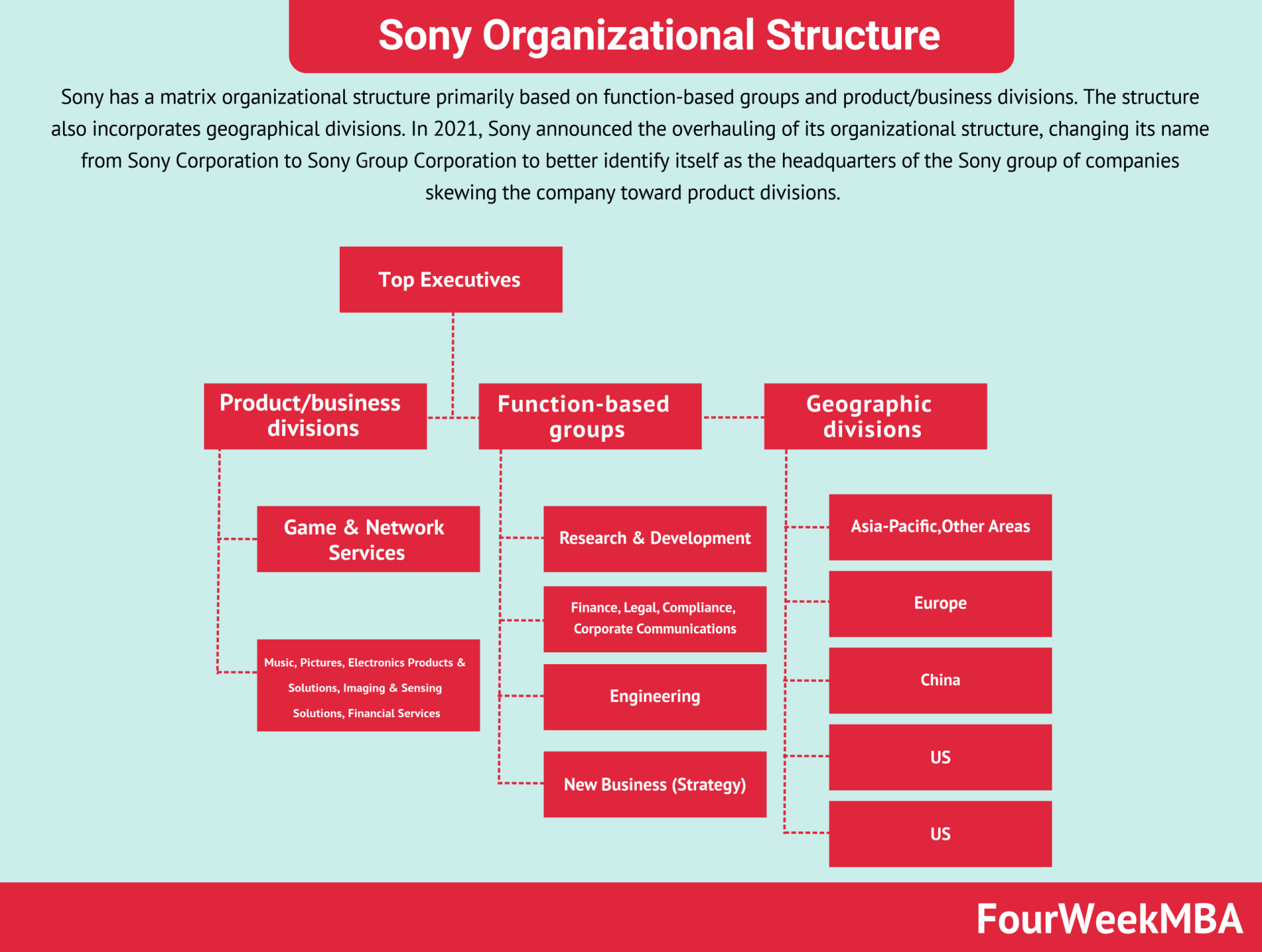
Starbucks Organizational Structure

Tesla Organizational Structure

Toyota Organizational Structure

Walmart Organizational Structure

Main Free Guides:


