

Two-Pizza Teams, a concept popularized by Amazon’s founder and former CEO Jeff Bezos, has become synonymous with fostering innovation, agility, and collaboration within organizations. This innovative approach to team size and structure has gained recognition across industries, emphasizing the importance of small, cross-functional teams in driving productivity and creativity.
Understanding Two-Pizza Teams
The Essence of Two-Pizza Teams
At its core, Two-Pizza Teams is a concept that advocates for keeping teams small enough that they can be fed with only two pizzas. In practical terms, this means limiting the size of teams to a number where every team member can be actively involved in discussions, decision-making, and execution without the need for excessive coordination and bureaucracy.
Key characteristics of Two-Pizza Teams include:
- Small Team Size: Each team typically consists of no more than 5 to 7 members, although the exact size may vary depending on the organization’s context.
- Cross-Functional Composition: Teams comprise individuals with diverse skills and expertise, allowing for a holistic approach to problem-solving.
- Autonomy: Teams are empowered to make decisions independently and are held accountable for the outcomes of their work.
- Clear Goals: Teams have well-defined goals and objectives that align with the organization’s mission and strategy.
Origins of Two-Pizza Teams
The concept of Two-Pizza Teams traces its origins to Amazon, where it was popularized as part of the company’s innovative and customer-centric culture. Jeff Bezos introduced the idea as a means to break down traditional silos, improve decision-making speed, and foster a culture of ownership and accountability.
Key factors contributing to the development of Two-Pizza Teams include:
- The need for Amazon to maintain its agility and customer focus as it rapidly expanded its operations and product offerings.
- A desire to promote a decentralized and entrepreneurial spirit among employees.
- A commitment to reducing bureaucracy and fostering innovation.
Key Concepts in Two-Pizza Teams
1. Small Team Size:
- The primary defining characteristic of Two-Pizza Teams is their small size, which enables effective communication, decision-making, and collaboration.
2. Cross-Functional Composition:
- Teams are composed of individuals with diverse skills and backgrounds, ensuring that all necessary expertise is available within the team.
3. Autonomy:
- Two-Pizza Teams are granted a high degree of autonomy to make decisions and execute their work without unnecessary oversight.
4. Clear Goals:
- Teams operate with clear and well-defined goals that align with the organization’s overarching objectives.
Advantages of Two-Pizza Teams
Organizations that embrace the concept of Two-Pizza Teams often experience a range of advantages:
1. Enhanced Collaboration:
- Small team size fosters better communication and collaboration among team members, leading to increased creativity and innovation.
2. Faster Decision-Making:
- Teams can make decisions quickly due to their reduced complexity and the absence of bureaucratic layers.
3. Greater Accountability:
- Team members take ownership of their work, leading to higher accountability and a stronger sense of responsibility.
4. Improved Efficiency:
- Smaller teams are often more efficient and can deliver results with fewer resources and less overhead.
5. Flexibility and Adaptability:
- Two-Pizza Teams are more adaptable to change and can respond rapidly to evolving market conditions.
6. Empowered Employees:
- Team members have the opportunity to contribute significantly to the team’s success and take pride in their work.
Implementation Strategies
Implementing Two-Pizza Teams requires careful planning and consideration:
1. Define Team Objectives:
- Clearly define the goals and objectives of each Two-Pizza Team, ensuring alignment with the organization’s mission.
2. Assemble Cross-Functional Teams:
- Form teams with members possessing a diverse range of skills and expertise to address complex challenges effectively.
3. Grant Autonomy:
- Empower teams to make decisions independently and provide them with the autonomy needed to execute their work.
4. Foster a Culture of Ownership:
- Encourage team members to take ownership of their projects and outcomes, promoting a sense of responsibility.
5. Monitor and Support:
- Provide ongoing support and resources to Two-Pizza Teams while also monitoring their progress and outcomes.
Challenges of Two-Pizza Teams
While Two-Pizza Teams offer numerous advantages, they are not without challenges:
1. Communication:
- Effective communication can become more challenging as teams scale, requiring careful coordination.
2. Resource Allocation:
- Managing resources across multiple small teams can be complex, requiring efficient resource allocation.
3. Team Dynamics:
- Smaller teams may experience team dynamics issues that need to be addressed to maintain a healthy work environment.
4. Scalability:
- As organizations grow, maintaining the Two-Pizza Team model can become challenging, necessitating adaptations and scalability solutions.
Broader Impact
The Two-Pizza Team concept has had a far-reaching impact on modern organizational dynamics and management practices:
1. Agile Organizations:
- The concept aligns with agile principles, promoting adaptability and responsiveness to change.
2. Collaboration:
- Two-Pizza Teams have highlighted the importance of collaboration and effective communication within organizations.
3. Employee Empowerment:
- Empowering employees to take ownership and make decisions has become a fundamental aspect of many organizational cultures.
4. Start-up Culture:
- The model has been influential in promoting a start-up culture within larger organizations, fostering innovation and creativity.
Conclusion
Two-Pizza Teams have emerged as a powerful concept that challenges traditional notions of team size and organizational structure. By prioritizing small, cross-functional teams, organizations can unlock the potential for innovation, collaboration, and agility. As the business landscape continues to evolve, the principles embodied by Two-Pizza Teams serve as a beacon for organizations seeking to remain competitive, adaptive, and responsive to the ever-changing needs of customers and markets. Whether in technology companies or traditional enterprises, the Two-Pizza Team concept has proven its ability to drive success and foster a culture of ownership and accountability.
Key Highlights:
- Definition: Two-Pizza Teams advocate for keeping teams small enough that they can be fed with only two pizzas. They typically consist of 5 to 7 members and are cross-functional in composition.
- Origins: The concept was popularized by Amazon’s Jeff Bezos to promote agility, innovation, and collaboration within the organization.
- Key Concepts:
- Small Team Size
- Cross-Functional Composition
- Autonomy
- Clear Goals
- Advantages:
- Enhanced Collaboration
- Faster Decision-Making
- Greater Accountability
- Improved Efficiency
- Flexibility and Adaptability
- Empowered Employees
- Implementation Strategies:
- Define Team Objectives
- Assemble Cross-Functional Teams
- Grant Autonomy
- Foster a Culture of Ownership
- Monitor and Support
- Challenges:
- Communication
- Resource Allocation
- Team Dynamics
- Scalability
- Broader Impact:
- Agile Organizations
- Collaboration
- Employee Empowerment
- Start-up Culture
- Conclusion: Two-Pizza Teams challenge traditional notions of team size and structure, promoting innovation, collaboration, and agility within organizations. As businesses evolve, the principles of Two-Pizza Teams remain relevant for driving success and fostering a culture of ownership and accountability.
| Related Framework | Description | When to Apply |
|---|---|---|
| Agile Methodology | – An iterative and incremental approach to software development and project management that emphasizes flexibility, collaboration, and customer feedback. Agile Methodology enables cross-functional teams to deliver value in short cycles, adapt to changing requirements, and continuously improve processes. Two-Pizza Teams align with Agile principles by promoting small, self-organizing teams that are empowered to make decisions and deliver high-quality products iteratively. | – Applicable in software development, product management, and project delivery where responsiveness to change, collaboration, and delivering value incrementally are essential for achieving project goals effectively and satisfying customer needs efficiently. Two-Pizza Teams complement Agile practices by fostering autonomy, communication, and alignment within small teams, enabling them to respond quickly to customer feedback and deliver value-driven solutions. |
| Scrum Framework | – A lightweight Agile framework for managing complex projects, Scrum emphasizes teamwork, accountability, and iterative progress towards achieving a common goal. Scrum involves organizing work into time-boxed iterations called sprints, where cross-functional teams collaborate to deliver potentially shippable increments of product. Two-Pizza Teams align with Scrum principles by forming small, self-organizing teams that are responsible for delivering valuable product increments. | – Relevant in product development, IT projects, and cross-functional collaboration where delivering high-quality products iteratively, adapting to changing requirements, and maximizing team autonomy and accountability are crucial for project success. Two-Pizza Teams complement Scrum by fostering collaboration, communication, and alignment within small teams, enabling them to work efficiently and effectively towards achieving sprint goals and delivering value to stakeholders. |
| Lean Startup Methodology | – A methodology for developing businesses and products based on iterative cycles of hypothesis testing and validated learning. The Lean Startup Methodology emphasizes rapid experimentation, customer feedback, and iteration to minimize risk and optimize resource allocation in the early stages of building a business. Two-Pizza Teams align with Lean Startup principles by forming small, cross-functional teams that can quickly validate hypotheses and iterate on product ideas. | – Applicable in startup ventures, product innovation, and entrepreneurship where validating ideas, learning from customer feedback, and iterating on product concepts quickly are essential for achieving product-market fit and maximizing the chances of business success. Two-Pizza Teams complement Lean Startup practices by fostering agility, collaboration, and innovation within small teams, enabling them to iterate rapidly and pivot based on validated learning. |
| DevOps Culture | – A cultural and professional movement that emphasizes collaboration, communication, and integration between software development and IT operations teams. DevOps aims to streamline the software delivery process, automate workflows, and foster a culture of continuous improvement and innovation. Two-Pizza Teams align with DevOps principles by forming small, cross-functional teams that take ownership of end-to-end software delivery and collaborate closely with operations. | – Relevant in software development, IT operations, and continuous delivery where reducing lead time, enhancing collaboration, and improving deployment frequency and reliability are essential for delivering software products efficiently and meeting customer expectations effectively. Two-Pizza Teams complement DevOps practices by promoting autonomy, accountability, and alignment within small teams, enabling them to deliver value continuously and sustainably. |
| Kanban Method | – A visual management approach for optimizing workflow efficiency, Kanban emphasizes transparency, flow, and incremental improvements. Kanban involves visualizing work on a Kanban board, limiting work in progress (WIP), and continuously improving the flow of work. Two-Pizza Teams align with Kanban principles by forming small, self-organizing teams that use Kanban boards to visualize work and manage workflow efficiently. | – Applicable in project management, workflow optimization, and continuous improvement where visualizing work, limiting WIP, and optimizing flow are critical for maximizing productivity and delivering value consistently. Two-Pizza Teams complement Kanban practices by fostering transparency, collaboration, and adaptability within small teams, enabling them to manage work effectively and continuously improve their processes and outcomes. |
| Cross-Functional Teams | – Teams composed of individuals from different functional areas or disciplines who come together to achieve a common goal or deliver a specific outcome. Cross-functional teams leverage diverse skills, perspectives, and expertise to solve complex problems and deliver innovative solutions. Two-Pizza Teams align with the concept of cross-functional teams by forming small, diverse teams that collaborate closely to achieve shared objectives efficiently. | – Relevant in project management, product development, and organizational effectiveness where addressing complex challenges, fostering innovation, and delivering value require collaboration across functional boundaries. Two-Pizza Teams complement cross-functional team structures by promoting diversity, collaboration, and alignment within small teams, enabling them to leverage collective expertise and achieve synergistic outcomes effectively and collaboratively. |
| Holacracy Model | – A self-management organizational system that distributes authority and decision-making power among autonomous teams or “circles.” Holacracy promotes agility, transparency, and distributed leadership within organizations by defining clear roles, accountabilities, and governance processes. Two-Pizza Teams align with Holacracy principles by forming small, self-organizing teams that are empowered to make decisions and take ownership of their work. | – Applicable in organizational design, management innovation, and leadership development where promoting autonomy, agility, and accountability is essential for adapting to change and fostering innovation. Two-Pizza Teams complement Holacracy practices by fostering self-organization, empowerment, and alignment within small teams, enabling them to collaborate effectively and drive organizational agility and performance in dynamic and complex environments. |
| Design Thinking | – A human-centered approach to innovation and problem-solving that involves empathizing with users, defining problems, ideating solutions, prototyping concepts, and testing iteratively. Design Thinking fosters creativity, collaboration, and user-centricity in developing products, services, and experiences. Two-Pizza Teams align with Design Thinking principles by forming small, interdisciplinary teams that collaborate closely to solve complex problems and deliver user-centered solutions. | – Relevant in product development, service design, and user experience (UX) design where understanding user needs, exploring ideas, and validating solutions through rapid prototyping and user feedback are essential for creating products or services that meet user expectations and address real-world problems effectively. Two-Pizza Teams complement Design Thinking by promoting collaboration, creativity, and user-centricity within small teams, enabling them to innovate and deliver user-centric solutions iteratively. |
| Six Sigma Methodology | – A data-driven approach to process improvement and quality management, Six Sigma aims to reduce defects, variation, and waste in organizational processes. Six Sigma uses statistical methods and tools to identify root causes of problems, optimize processes, and improve performance. Two-Pizza Teams align with Six Sigma principles by forming small, cross-functional teams that focus on solving specific process problems and driving continuous improvement. | – Applicable in quality management, process optimization, and continuous improvement where reducing defects, improving efficiency, and enhancing customer satisfaction are critical for achieving operational excellence. Two-Pizza Teams complement Six Sigma practices by promoting data-driven problem-solving, collaboration, and accountability within small teams, enabling them to identify and address process inefficiencies and deliver measurable improvements in quality and performance. |
Read Next: Organizational Structure.
Types of Organizational Structures

Siloed Organizational Structures
Functional

Divisional

Open Organizational Structures
Matrix

Flat

Connected Business Frameworks


Nadler-Tushman Congruence Model

McKinsey’s Seven Degrees of Freedom


Organizational Structure Case Studies
OpenAI Organizational Structure

Airbnb Organizational Structure

Amazon Organizational Structure

Apple Organizational Structure

Coca-Cola Organizational Structure

Costco Organizational Structure


Facebook Organizational Structure

Goldman Sachs’ Organizational Structure

Google Organizational Structure


McDonald’s Organizational Structure

McKinsey Organizational Structure

Microsoft Organizational Structure

Nestlé Organizational Structure


Patagonia Organizational Structure

Samsung Organizational Structure

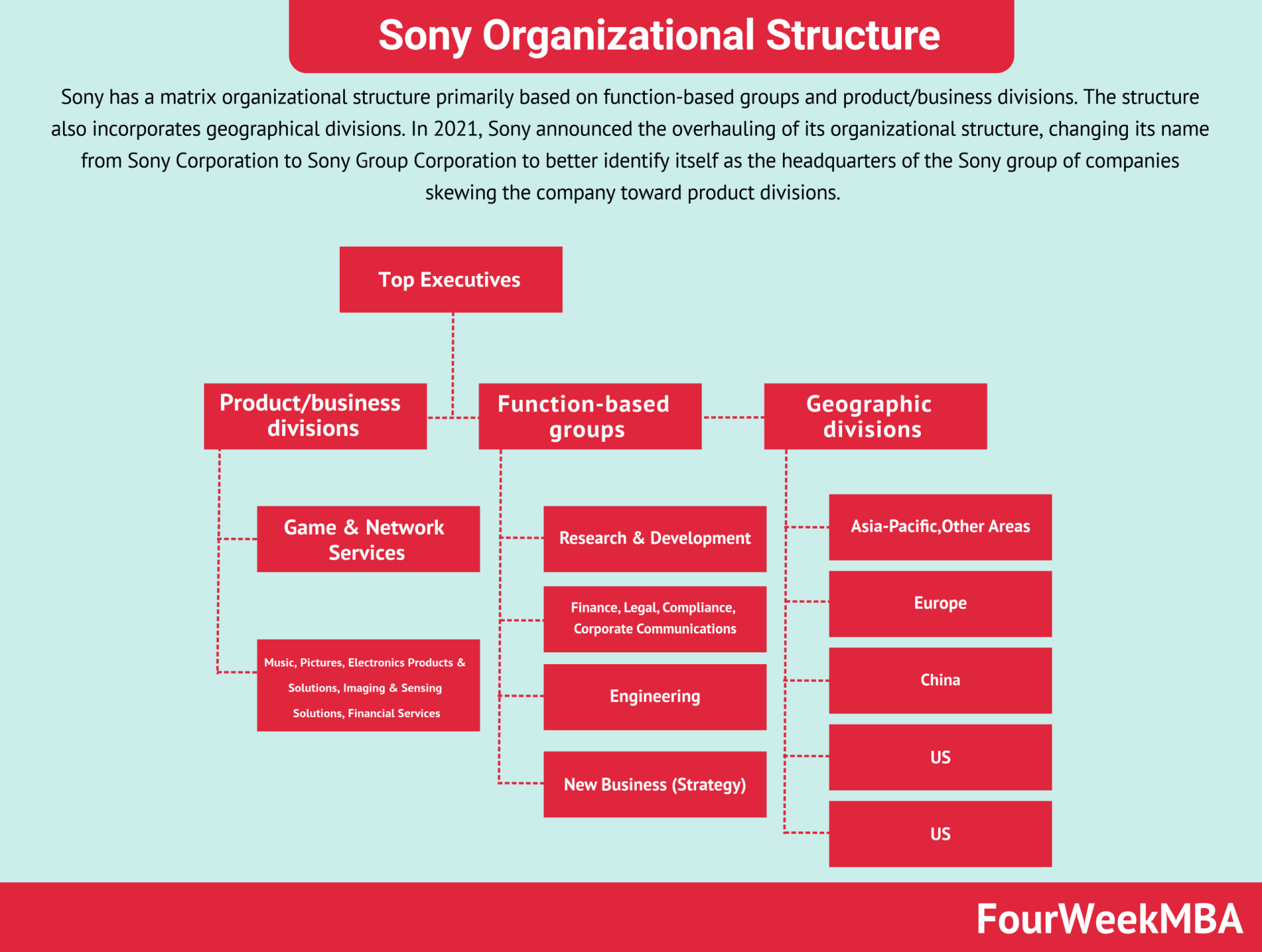
Starbucks Organizational Structure

Tesla Organizational Structure

Toyota Organizational Structure

Walmart Organizational Structure

Main Free Guides:


