SoundCloud alternatives comprise music streaming and sharing. Spotify offers a vast library and personalized recommendations, while Bandcamp empowers artists to sell music directly to fans. Apple Music integrates seamlessly with Apple devices, and Tidal provides high-fidelity audio and exclusive content.
| Alternative | Key Features | Core Strengths | Weaknesses |
|---|---|---|---|
| Spotify | 1. Music Streaming: Offers a vast library of songs and playlists. 2. Personalized Playlists: Curates playlists based on user preferences. 3. Podcasts: Features a wide range of podcasts. | – Extensive music catalog. – Personalized playlists and recommendations. – Podcast integration. | – Limited options for independent artists to upload their own music. – Limited social features compared to SoundCloud. |
| Apple Music | 1. Music Streaming: Provides access to a large music library. 2. Curated Playlists: Offers handpicked playlists. 3. Offline Listening: Allows downloads for offline listening. | – Access to Apple’s extensive music library. – Curated playlists. – Seamless integration with Apple devices. | – Not as focused on independent or emerging artists. – Limited social features compared to SoundCloud. |
| Bandcamp | 1. Artist-Friendly: Allows artists to sell and distribute their music directly. 2. Supports Indie Artists: Promotes independent and emerging musicians. 3. Community: Engages with fans. | – Empowers independent musicians. – Direct sales and fan support. – Strong artist-community interaction. | – Smaller mainstream music library. – Less emphasis on mainstream or chart-topping music. – May lack certain features. |
| Mixcloud | 1. Radio Shows: Focuses on radio shows, DJ mixes, and podcasts. 2. Licensing Compliance: Ensures legal streaming. 3. Community: Supports DJs and radio presenters. | – Legal and licensed streaming content. – Specialized in radio shows and DJ mixes. – Engages with a community of DJs. | – Limited music catalog compared to major streaming platforms. – May not suit mainstream music listeners. |
| YouTube Music | 1. Music Videos: Offers music videos alongside audio tracks. 2. Playlist Creation: Allows users to create playlists. 3. Recommendations: Provides personalized song suggestions. | – Access to a vast library of music videos. – User-friendly playlist creation. – Personalized song recommendations. | – Video-focused, which may not suit all music listeners. – May have ads for free users. – Limited social features. |
| Tidal | 1. High-Quality Audio: Offers high-fidelity music streaming. 2. Exclusive Content: Features exclusive albums and content. 3. Artist Ownership: Owned by artists like Jay-Z. | – High-quality audio streaming. – Exclusive content and early releases. – Artist ownership and involvement. | – Premium pricing for high-quality audio. – Smaller user base compared to major platforms. – Limited free tier. |
| Deezer | 1. Music Library: Provides access to a vast music library. 2. Personalized Playlists: Curates playlists based on user taste. 3. Podcasts: Offers a selection of podcasts. | – Extensive music catalog. – Personalized playlists and recommendations. – Podcast integration. | – Smaller user base compared to leading platforms. – Limited free tier. – May not suit niche music tastes. |
| Audiomack | 1. Mixtapes: Focuses on mixtapes, singles, and hip-hop culture. 2. Free Music: Offers a wide range of free tracks. 3. Emerging Artists: Supports independent and emerging musicians. | – Emphasis on mixtapes and hip-hop culture. – Offers a significant amount of free music. – Supports emerging artists. | – Smaller music catalog compared to major streaming platforms. – May not have as many mainstream releases. |
Music Streaming Platforms:
- Spotify: A leading music streaming service with a vast library and personalized recommendations.
- Bandcamp: A platform for artists to sell and distribute their music directly to fans.
- Apple Music: A subscription-based music streaming service integrated with Apple devices.
- Tidal: A high-fidelity music streaming platform with exclusive content and artist collaborations.
- Deezer: A global music streaming service with a diverse catalog and personalized recommendations.
- Mixcloud: A platform for DJs, radio shows, and podcasters to share and discover music mixes and audio content.
- Audiomack: A platform for artists to upload and share their music, mixtapes, and podcasts.
- Jamendo: A music platform that focuses on independent and royalty-free music for personal and commercial use.
- 8tracks: A curated playlist platform where users can discover and share music mixes created by other users.
- Napster: A subscription-based music streaming service with a large catalog of songs and offline listening options.
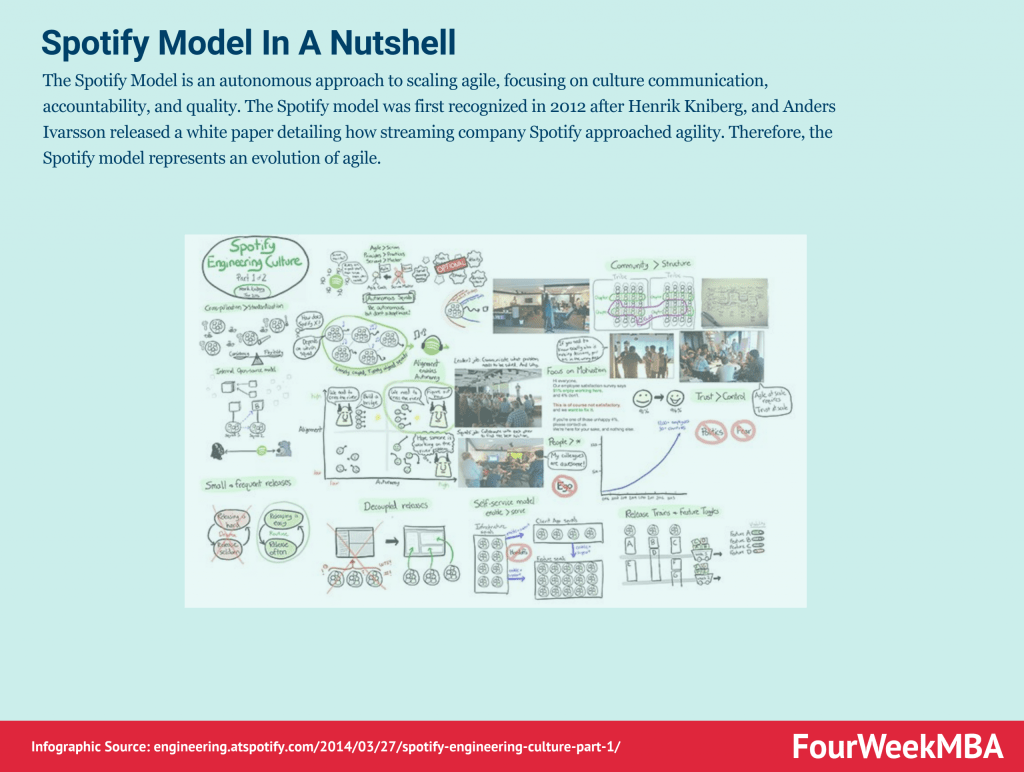
Read Also: How Does Spotify Make Money, Spotify Model, Who Owns Spotify, How Does Twitch Make Money, How Does SoundCloud Make Money, Who is Daniel Ek?, Who Is Martin Lorentzon?
Related Visual Stories

Spotify Advertising Business Model

Economics of the Spotify Business Model