

The term “siloed organizational structure” refers to a traditional hierarchical setup in which different departments or divisions within an organization operate as isolated, self-contained units with limited communication and collaboration between them. While this structure may have worked in the past, modern organizations are increasingly recognizing the limitations of silos and the need to break down these barriers to enhance efficiency, innovation, and collaboration.
Understanding Siloed Organizational Structure
A siloed organizational structure is characterized by the following key features:
- Functional Departments: In a siloed structure, departments or divisions are organized based on functions, such as marketing, finance, operations, and human resources. Each department operates independently and focuses primarily on its own goals and objectives.
- Limited Communication: Silos restrict communication and information sharing across departments. Information tends to flow vertically within each silo but is often limited or hindered when it needs to traverse departmental boundaries.
- Autonomous Decision-Making: Departments within silos have a high degree of autonomy in decision-making. They may develop their strategies and processes without significant input or coordination with other departments.
- Competing Priorities: Silos often lead to conflicting priorities, where the goals and objectives of one department may not align with those of another. This can result in inefficiencies and internal competition.
- Resistance to Change: Siloed structures can foster resistance to change, as employees may be more focused on protecting their department’s interests than on embracing organizational changes that benefit the whole.
Historical Context of Siloed Structures
The concept of siloed organizational structures has deep historical roots and can be traced back to the early industrial era. During this period, organizations sought to optimize efficiency by breaking down complex tasks into specialized functions. The assembly line, for example, represented a groundbreaking approach to manufacturing, where each worker had a specific task, leading to increased production efficiency.
While this specialization was effective in certain contexts, it also laid the foundation for siloed thinking and organizational structures. Over time, as organizations grew in size and complexity, they continued to compartmentalize functions into separate departments, leading to the siloed structure that we recognize today.
The Significance of Siloed Organizational Structure
Siloed organizational structures have been prevalent in various industries and organizations for decades. However, they are increasingly viewed as outdated and problematic for several reasons:
1. Barriers to Communication:
- Silos hinder effective communication and information sharing, leading to misunderstandings, duplicated efforts, and missed opportunities for collaboration.
2. Inefficiency:
- Siloed structures often result in redundant processes, where different departments may perform similar tasks independently. This inefficiency can lead to increased operational costs.
3. Reduced Innovation:
- Innovation thrives in environments where diverse perspectives come together. Silos limit the cross-pollination of ideas and hinder creative problem-solving.
4. Customer Experience:
- From a customer perspective, silos can create a disjointed experience, as different departments may not coordinate to provide a seamless customer journey.
5. Employee Morale:
- Working within silos can be demoralizing for employees who may feel isolated from the broader organization and frustrated by internal conflicts.
6. Adaptability:
- In a rapidly changing business landscape, organizations need to be agile and adaptable. Silos can impede an organization’s ability to respond effectively to change.
7. Competitive Disadvantage:
- Organizations that are slow to adapt and innovate due to siloed structures may find themselves at a competitive disadvantage in their industries.
Strategies for Breaking Down Silos
Organizations recognize the need to break down silos and foster greater collaboration and integration. Here are some strategies and best practices for achieving this:
1. Leadership and Culture:
- Leadership plays a crucial role in dismantling silos. Leaders should promote a culture of collaboration, open communication, and a shared sense of purpose across departments.
2. Cross-Functional Teams:
- Creating cross-functional teams that include members from different departments can promote collaboration and encourage diverse perspectives.
3. Clear Communication Channels:
- Establish clear and accessible communication channels that facilitate the sharing of information and updates across departments.
4. Shared Goals and Objectives:
- Define and communicate overarching organizational goals and objectives that align with departmental goals. This helps create a sense of unity and purpose.
5. Technology and Tools:
- Implement collaboration tools and technologies that enable employees to work together, share documents, and communicate seamlessly.
6. Training and Development:
- Offer training programs that focus on collaboration, teamwork, and effective communication skills to help employees work across departments.
7. Performance Metrics:
- Develop performance metrics that reward collaboration and teamwork, rather than individual departmental achievements.
8. Leadership Rotation:
- Rotate leaders and managers across departments to promote a better understanding of each department’s challenges and opportunities.
Benefits of Breaking Down Silos
Breaking down silos within an organization offers numerous benefits:
1. Enhanced Collaboration:
- Silo dismantling fosters collaboration, enabling departments to work together more effectively.
2. Efficiency and Cost Savings:
- Streamlined processes and reduced duplication lead to increased efficiency and cost savings.
3. Innovation:
- Cross-functional collaboration encourages innovation by bringing together diverse perspectives and skill sets.
4. Improved Customer Experience:
- A unified approach to serving customers results in a better overall customer experience.
5. Employee Engagement:
- Employees are more engaged when they feel part of a cohesive organization that values their contributions.
6. Adaptability:
- Organizations become more adaptable and responsive to changes in the business environment.
7. Competitive Advantage:
- Organizations that break down silos can respond more quickly to market opportunities and gain a competitive advantage.
Challenges and Considerations
Dismantling silos is not without challenges and considerations:
1. Resistance to Change:
- Employees and leaders accustomed to siloed structures may resist efforts to break down barriers.
2. Cultural Shift:
- Achieving a cultural shift towards collaboration and integration may take time and effort.
3. Resource Allocation:
- Organizations may need to allocate resources for training, technology, and change management initiatives.
4. Leadership Buy-In:
- Gaining leadership buy-in for silo-breaking initiatives is essential for success.
5. Measuring Progress:
- Developing meaningful metrics to measure progress and success can be challenging.
Future Trends in Breaking Down Silos
The future of breaking down silos in organizational structures is influenced by emerging trends and evolving needs:
1. Digital Transformation:
- Digital technologies play a significant role in breaking down silos by enabling real-time communication and collaboration.
2. Remote Work:
- The rise of remote work has highlighted the importance of effective collaboration tools and practices.
3. Data-Driven Decision-Making:
- Organizations increasingly use data analytics to inform decisions and break down information barriers.
4. Hybrid Work Models:
- Hybrid work models that blend in-person and remote work may require new approaches to silo-breaking.
5. Customer-Centricity:
- A focus on customer-centricity drives organizations to break down internal barriers to provide seamless customer experiences.
6. Agile and Lean Practices:
- Agile and lean principles promote collaboration, adaptability, and efficiency, aligning with silo-breaking efforts.
Conclusion
A siloed organizational structure, while deeply rooted in history, no longer meets the demands of today’s dynamic and interconnected business environment. Organizations are increasingly recognizing the need to break down silos to enhance efficiency, collaboration, innovation, and adaptability. By embracing leadership and cultural changes, leveraging technology and collaboration tools, and fostering a mindset of integration, organizations can dismantle silos and create a more agile and responsive organizational structure that is better equipped to thrive in the modern world. Breaking down silos is not just a structural change; it is a cultural and strategic shift that can lead to improved performance and competitiveness.
Key Highlights
- Understanding Siloed Organizational Structure:
- Siloed structures are characterized by functional departments operating independently with limited communication and autonomous decision-making.
- Departments focus primarily on their own goals, leading to competing priorities and resistance to change.
- Historical Context:
- Siloed structures originated from the industrial era’s emphasis on specialization and efficiency, where tasks were divided into specialized functions.
- Over time, organizations compartmentalized functions into separate departments, leading to siloed structures.
- Significance:
- Siloed structures are viewed as outdated and problematic due to barriers to communication, inefficiency, reduced innovation, disjointed customer experience, and negative effects on employee morale and adaptability.
- Strategies for Breaking Down Silos:
- Leadership and culture play a crucial role in promoting collaboration and a shared sense of purpose.
- Creating cross-functional teams, establishing clear communication channels, and defining shared goals and objectives facilitate collaboration.
- Utilizing technology, offering training programs, developing performance metrics, and implementing leadership rotation promote integration and collaboration.
- Benefits of Breaking Down Silos:
- Enhanced collaboration, efficiency, cost savings, innovation, improved customer experience, employee engagement, adaptability, and competitive advantage are the key benefits.
- Challenges and Considerations:
- Resistance to change, cultural shift, resource allocation, leadership buy-in, and measuring progress are the main challenges.
- Future Trends:
- Digital transformation, remote work, data-driven decision-making, hybrid work models, customer-centricity, and agile/lean practices influence future trends in breaking down silos.
- Conclusion:
- Siloed structures are no longer suitable for today’s business environment, and organizations must break down silos to enhance efficiency, collaboration, innovation, and adaptability.
- Leadership, cultural, and strategic shifts are necessary, along with leveraging technology and collaboration tools, to create a more agile and responsive organizational structure.
| Case Study | Strategy | Outcome |
|---|---|---|
| Kodak | Siloed Organization: Operated with separate divisions for film, digital, and other product lines, with little cross-functional collaboration. | Hindered innovation and adaptability, leading to missed opportunities in digital photography and a decline in market position. |
| Nokia | Siloed Organization: Divisions operated independently with limited communication and collaboration, especially between hardware and software teams. | Slowed innovation and responsiveness to market changes, contributing to a loss of competitiveness in the smartphone market. |
| Microsoft (Pre-2014) | Siloed Organization: Divisions such as Windows, Office, and Server operated independently, often competing internally. | Created inefficiencies and slowed innovation, prompting a reorganization under CEO Satya Nadella to foster collaboration and agility. |
| Yahoo | Siloed Organization: Operated with multiple independent units for different services like search, email, and media. | Limited collaboration and strategic coherence, contributing to its decline and eventual sale to Verizon. |
| General Motors (Pre-2009) | Siloed Organization: Brands like Chevrolet, Buick, and Cadillac operated independently with little synergy. | Led to inefficiencies and financial struggles, necessitating a restructuring during the financial crisis. |
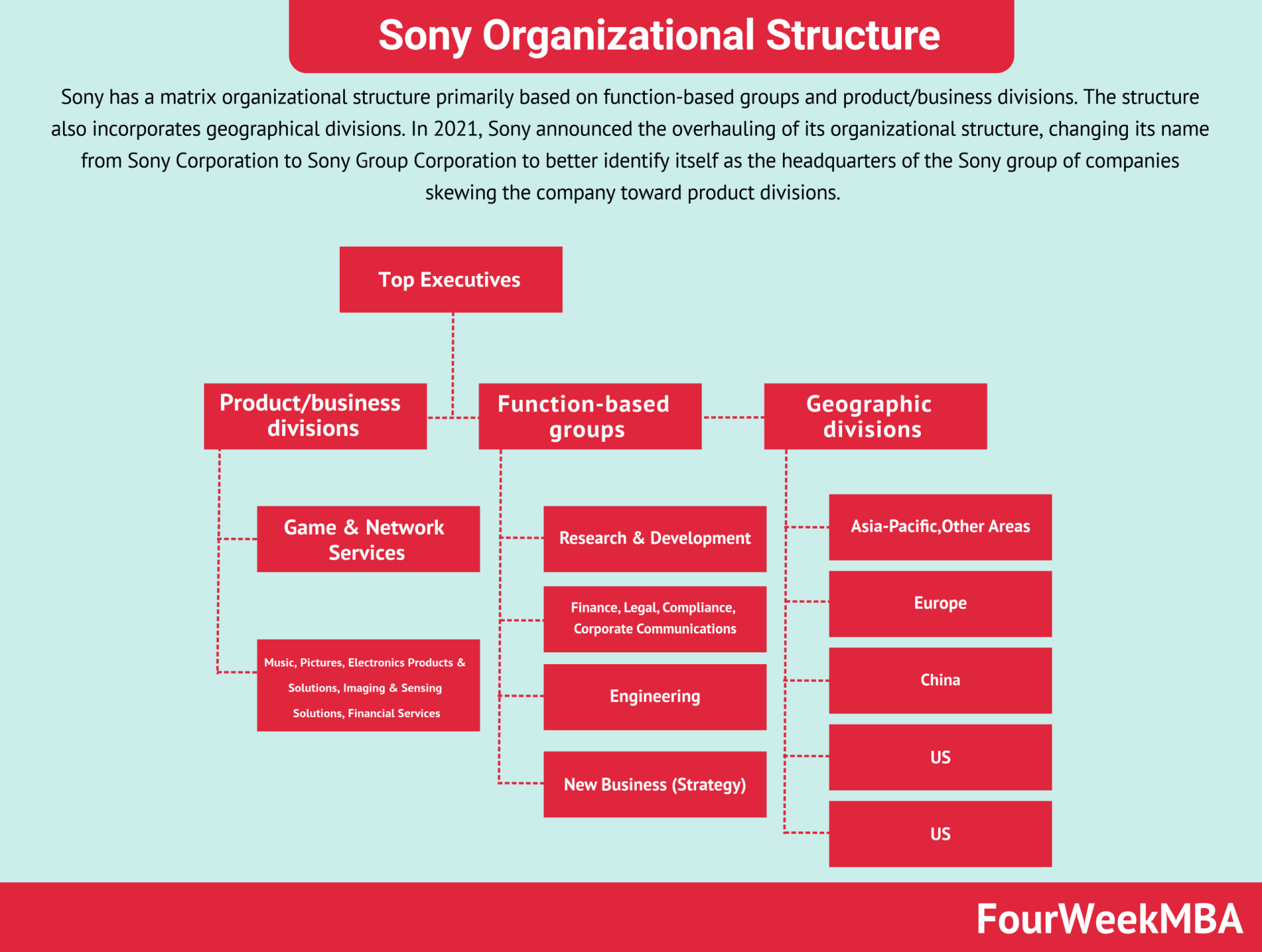
| Sony (Early 2000s) | Siloed Organization: Operated with independent units for electronics, gaming, and entertainment, with limited collaboration. | Slowed innovation and missed opportunities for synergy, prompting efforts to integrate operations and strategies. |
| HP (Hewlett-Packard) | Siloed Organization: Operated with separate divisions for printers, PCs, and enterprise solutions. | Created inefficiencies and slowed response to market changes, leading to a split into HP Inc. and Hewlett Packard Enterprise. |
| IBM (Pre-2000s) | Siloed Organization: Different units for hardware, software, and services operated with little integration. | Hindered ability to provide integrated solutions, prompting a shift to a more collaborative, solution-oriented approach. |
| Procter & Gamble (Pre-restructuring) | Siloed Organization: Operated with separate divisions for different product lines with limited cross-functional collaboration. | Led to inefficiencies and slower innovation, prompting a reorganization to enhance collaboration and market responsiveness. |
| Disney (Pre-2005) | Siloed Organization: Divisions such as film, parks, and consumer products operated independently. | Hindered cross-promotion and synergy, prompting efforts to integrate operations and create a more unified brand experience. |
| Ford Motor Company (Pre-2006) | Siloed Organization: Independent operation of different brands and regions with little coordination. | Led to inefficiencies and financial struggles, prompting restructuring under CEO Alan Mulally to create a more integrated, global company. |
| Siemens (Pre-2008) | Siloed Organization: Operated with separate divisions for different product lines with limited collaboration. | Slowed innovation and market responsiveness, prompting efforts to create a more integrated and collaborative organizational structure. |
| Coca-Cola (Pre-restructuring) | Siloed Organization: Regional divisions operated independently with little coordination. | Hindered global strategy and efficiency, prompting efforts to streamline operations and enhance global collaboration. |
| Dell (Pre-2013) | Siloed Organization: Operated with separate divisions for consumer, enterprise, and services. | Created inefficiencies and slowed market responsiveness, leading to efforts to integrate operations and improve agility. |
| Pfizer (Pre-2009) | Siloed Organization: Operated with separate units for different drug lines and research areas. | Hindered innovation and efficiency, prompting restructuring to enhance collaboration and streamline operations. |
| Samsung (Early 2000s) | Siloed Organization: Independent operation of different product lines like mobile, consumer electronics, and semiconductors. | Limited synergy and slowed innovation, leading to efforts to foster cross-functional collaboration and integration. |
| LG (Early 2000s) | Siloed Organization: Operated with independent units for different product lines with limited integration. | Hindered innovation and operational efficiency, prompting efforts to create a more integrated and collaborative structure. |
| Toshiba (Early 2010s) | Siloed Organization: Operated with separate divisions for electronics, energy, and industrial systems. | Created inefficiencies and slowed innovation, leading to efforts to integrate operations and enhance collaboration. |
| Oracle (Pre-2010s) | Siloed Organization: Different units for database, applications, and cloud services operated independently. | Hindered ability to provide integrated solutions, prompting efforts to enhance collaboration and create a more cohesive strategy. |
| Related Organizational Structures | Description | Implications |
|---|---|---|
| Siloed Organizational Structure | A Siloed Organizational Structure is characterized by isolated departments or units that operate independently, with limited communication, collaboration, and sharing of information or resources across functional boundaries. Silos may result from organizational culture, lack of cross-functional coordination, or structural barriers that hinder interdepartmental collaboration. Siloed structures can lead to duplication of efforts, inefficiencies, and hindered innovation. | Siloed Organizational Structures can create barriers to communication, coordination, and collaboration within the organization. By segmenting departments or units, silos may inhibit information sharing, hinder cross-functional teamwork, and impede organizational agility. Siloed structures can lead to duplication of efforts, conflicting priorities, and missed opportunities for synergy or innovation across the organization. Addressing silos requires fostering a culture of collaboration, breaking down barriers to communication, and promoting cross-functional teamwork. |
| Functional Organizational Structure | A Functional Organizational Structure groups employees based on their specialized skills or expertise, with each department or functional area focused on specific tasks or activities. While functional structures facilitate specialization and expertise development, they may also create silos if departments operate independently without sufficient communication or coordination. Functional structures prioritize efficiency within departments but may hinder collaboration across functions. | Functional Organizational Structures share similarities with Siloed Structures in their focus on specialized functions or departments. While functional structures promote expertise development and efficiency within departments, they may also contribute to silos if communication and collaboration across functions are limited. To mitigate silos, organizations need to establish mechanisms for cross-functional communication, coordination, and collaboration to ensure alignment and synergy across departments. |
| Divisional Organizational Structure | A Divisional Organizational Structure organizes employees into divisions based on product lines, geographic regions, or customer segments. Each division operates as a self-contained unit with its own resources, goals, and decision-making authority. While divisional structures may enhance focus and accountability within divisions, they may also create silos if divisions operate independently without adequate coordination or alignment with organizational goals. Divisional structures prioritize decentralization and autonomy but may hinder integration and collaboration across divisions. | Divisional Organizational Structures may lead to silos if divisions operate independently without sufficient coordination or alignment with organizational goals. While divisional structures provide autonomy and accountability within divisions, they may inhibit collaboration and synergy across divisions, leading to duplication of efforts, conflicting priorities, and missed opportunities for organizational-wide innovation or efficiency. Organizations need to establish mechanisms for cross-divisional communication, coordination, and collaboration to mitigate silos and promote alignment with overall strategic objectives. |
| Silo Mentality | Silo Mentality refers to a mindset characterized by departmental or individual focus, with little regard for organizational goals or collaboration across functional boundaries. Silo mentality can result from organizational culture, incentives, or structural barriers that reinforce departmental interests over organizational priorities. Silo mentality impedes communication, coordination, and teamwork, hindering organizational effectiveness and innovation. | Silo Mentality reflects a cultural barrier to collaboration and alignment with organizational goals. By fostering a silo mentality, organizations may inhibit communication, coordination, and collaboration across departments or functions. Silo mentality can lead to internal competition, resistance to change, and missed opportunities for innovation or synergy. Addressing silo mentality requires leadership commitment to fostering a collaborative culture, aligning incentives with organizational goals, and breaking down barriers to communication and teamwork across the organization. |
Read Next: Organizational Structure.
Types of Organizational Structures

Siloed Organizational Structures
Functional

Divisional

Open Organizational Structures
Matrix

Flat

Connected Business Frameworks


Nadler-Tushman Congruence Model

McKinsey’s Seven Degrees of Freedom


Organizational Structure Case Studies
OpenAI Organizational Structure

Airbnb Organizational Structure

Amazon Organizational Structure

Apple Organizational Structure

Coca-Cola Organizational Structure

Costco Organizational Structure


Facebook Organizational Structure

Goldman Sachs’ Organizational Structure

Google Organizational Structure


McDonald’s Organizational Structure

McKinsey Organizational Structure

Microsoft Organizational Structure

Nestlé Organizational Structure


Patagonia Organizational Structure

Samsung Organizational Structure

Starbucks Organizational Structure

Tesla Organizational Structure

Toyota Organizational Structure

Walmart Organizational Structure

Main Free Guides:
- Business Models
- Business Strategy
- Business Development
- Digital Business Models
- Distribution Channels
- Marketing Strategy
- Platform Business Models
- Revenue Models
- Tech Business Models


