

Silo mentality is a metaphorical concept that draws its inspiration from grain silos, which are storage units designed to keep grains separate from one another. In an organizational context, silo mentality occurs when different departments or teams operate in isolation, restricting the flow of information, collaboration, and synergy across the organization. Instead of working towards a common goal, individuals and teams become preoccupied with their own priorities and objectives.
The primary objectives of understanding silo mentality are as follows:
- Identification: To recognize the signs and symptoms of silo mentality within organizations.
- Mitigation: To understand the negative impacts of silos and develop strategies to mitigate them.
- Collaboration: To promote a culture of collaboration, communication, and shared goals within the organization.
- Innovation: To encourage innovation, cross-functional problem-solving, and the alignment of departmental efforts with organizational objectives.
What is Silo Mentality?
Silo mentality, also known as silo effect or silo thinking, occurs when different departments or groups within an organization do not collaborate effectively. This isolation can lead to inefficiencies, duplication of efforts, and missed opportunities. Silo mentality typically arises from cultural, structural, and leadership issues within the organization.
Key Characteristics of Silo Mentality
- Lack of Communication: Departments or teams do not share information freely with other parts of the organization.
- Goal Misalignment: Different parts of the organization may have conflicting goals or priorities.
- Isolation: Teams work in isolation rather than collaborating with others.
- Duplication of Effort: Redundant work and inefficiencies arise due to lack of coordination.
Importance of Understanding Silo Mentality
Understanding and addressing silo mentality is crucial for enhancing organizational efficiency, fostering collaboration, and promoting innovation.
Enhancing Organizational Efficiency
- Streamlined Processes: Ensures efficient use of resources by eliminating redundant efforts.
- Unified Goals: Aligns goals and objectives across departments to enhance overall efficiency.
Fostering Collaboration
- Cross-Departmental Communication: Encourages open communication and information sharing across departments.
- Teamwork: Promotes a culture of teamwork and mutual support.
Promoting Innovation
- Idea Sharing: Facilitates the exchange of ideas and knowledge, leading to innovative solutions.
- Resource Sharing: Enables better utilization of organizational resources and expertise.
Components of Silo Mentality
Silo mentality involves several key components that contribute to the isolation and lack of collaboration within an organization.
1. Lack of Communication
- Information Hoarding: Departments keep information to themselves rather than sharing it.
- Poor Communication Channels: Ineffective communication channels that hinder information flow.
2. Goal Misalignment
- Conflicting Objectives: Different departments have goals that conflict with each other.
- Lack of Unified Vision: Absence of a shared vision or organizational goals.
3. Structural Barriers
- Organizational Hierarchy: Rigid hierarchies that create barriers to communication and collaboration.
- Departmental Boundaries: Clear boundaries between departments that discourage cross-functional collaboration.
4. Cultural Factors
- Departmental Loyalty: Strong loyalty to departments over the organization as a whole.
- Resistance to Change: Resistance to changes that promote cross-departmental collaboration.
Causes of Silo Mentality
Several factors contribute to the development of silo mentality, primarily revolving around organizational structure, culture, and leadership.
1. Organizational Structure
- Hierarchical Structure: Rigid hierarchies that limit communication and collaboration.
- Departmentalization: Strong emphasis on departmental boundaries and functions.
2. Cultural Factors
- Competition: Internal competition between departments rather than cooperation.
- Lack of Trust: Lack of trust between departments or teams.
3. Leadership Issues
- Inconsistent Leadership: Leaders who do not promote or model collaborative behavior.
- Goal Setting: Leaders setting conflicting or isolated goals for different departments.
4. Communication Barriers
- Ineffective Channels: Poor communication channels that hinder information sharing.
- Geographical Separation: Physical separation of departments or teams.
Effects of Silo Mentality
Silo mentality has significant and far-reaching effects on various aspects of organizational performance, innovation, and employee morale.
Organizational Impact
- Inefficiency: Reduced efficiency due to duplicated efforts and lack of coordination.
- Missed Opportunities: Missed opportunities for collaboration and innovation.
Innovation and Creativity
- Stifled Innovation: Limited sharing of ideas and resources stifles innovation.
- Narrow Focus: Departments focus narrowly on their goals, missing broader organizational opportunities.
Employee Morale
- Low Morale: Reduced employee morale due to lack of collaboration and support.
- Conflict: Increased conflict between departments due to misaligned goals and competition.
Historical Examples of Silo Mentality
Several historical examples illustrate the negative impact of silo mentality on organizations.
Nokia
- Smartphone Market: Nokia’s failure to respond to the smartphone market was partly due to silo mentality within the organization.
- Lack of Collaboration: Poor collaboration between departments hindered innovation and adaptation.
NASA Challenger Disaster
- Communication Failures: Silo mentality contributed to communication failures that led to the Challenger disaster.
- Isolation: Critical information was not shared across teams, leading to a catastrophic failure.
Ford
- SUV Development: Ford’s development of the Ford Explorer faced challenges due to silo mentality.
- Coordination Issues: Lack of coordination between design, engineering, and marketing departments delayed the project.
Methods to Address Silo Mentality
Several methods can be used to address silo mentality effectively, each offering different strategies and tools.
1. Leadership and Vision
- Unified Vision: Develop and communicate a unified vision and organizational goals.
- Collaborative Leadership: Encourage leaders to model and promote collaborative behavior.
2. Communication Enhancement
- Effective Channels: Implement effective communication channels to facilitate information sharing.
- Regular Meetings: Conduct regular cross-departmental meetings to discuss goals and progress.
3. Structural Changes
- Cross-Functional Teams: Create cross-functional teams to work on projects and initiatives.
- Flexible Structure: Adopt a more flexible organizational structure that promotes collaboration.
4. Cultural Shifts
- Trust Building: Foster trust between departments through team-building activities.
- Collaborative Culture: Promote a culture of collaboration and mutual support.
5. Incentives and Rewards
- Aligned Incentives: Align incentives and rewards with organizational goals and collaboration.
- Recognition: Recognize and reward collaborative behavior and achievements.
Benefits of Addressing Silo Mentality
Addressing silo mentality offers numerous benefits, enhancing organizational efficiency, fostering innovation, and improving employee morale.
Improved Efficiency
- Resource Utilization: Better utilization of resources and skills across the organization.
- Process Streamlining: Streamlined processes and reduced duplication of efforts.
Enhanced Innovation
- Idea Sharing: Increased sharing of ideas and knowledge leads to innovative solutions.
- Collaborative Efforts: Enhanced collaboration fosters creativity and innovation.
Higher Employee Morale
- Engagement: Increased employee engagement through collaboration and support.
- Team Spirit: Improved team spirit and sense of unity within the organization.
Better Organizational Performance
- Goal Achievement: Better alignment of goals and objectives across departments.
- Adaptability: Increased adaptability to changes and challenges.
Challenges of Addressing Silo Mentality
Despite its benefits, addressing silo mentality presents several challenges that need to be managed for successful implementation.
Resistance to Change
- Cultural Resistance: Overcoming cultural resistance to collaboration and change.
- Behavioral Change: Encouraging behavioral changes that promote collaboration.
Communication Issues
- Overcoming Barriers: Overcoming barriers to effective communication between departments.
- Information Flow: Ensuring smooth and consistent information flow across the organization.
Structural Challenges
- Implementing Changes: Implementing structural changes without disrupting operations.
- Maintaining Flexibility: Maintaining flexibility while promoting collaboration.
Monitoring and Measurement
- Effectiveness: Measuring the effectiveness of initiatives to address silo mentality.
- Continuous Improvement: Continuously improving strategies to foster collaboration.
Best Practices for Addressing Silo Mentality
Implementing best practices can help effectively manage and overcome challenges, maximizing the benefits of addressing silo mentality.
Foster a Collaborative Culture
- Inclusive Culture: Promote an inclusive culture that values collaboration and mutual support.
- Team-Building Activities: Organize team-building activities to foster trust and cohesion.
Enhance Communication
- Open Communication: Encourage open and transparent communication across departments.
- Effective Channels: Implement effective communication channels and platforms.
Align Goals and Incentives
- Unified Goals: Ensure that goals and objectives are aligned across departments.
- Aligned Incentives: Align incentives and rewards with collaborative behavior and achievements.
Promote Leadership and Vision
- Collaborative Leadership: Encourage leaders to model and promote collaborative behavior.
- Clear Vision: Develop and communicate a clear and unified vision for the organization.
Implement Structural Changes
- Cross-Functional Teams: Create cross-functional teams to work on projects and initiatives.
- Flexible Structure: Adopt a more flexible organizational structure that promotes collaboration.
Future Trends in Addressing Silo Mentality
Several trends are likely to shape the future of addressing silo mentality and fostering collaboration.
Digital Collaboration
- Online Platforms: Leveraging online collaboration platforms to enhance communication and teamwork.
- Remote Collaboration: Promoting remote collaboration through digital tools and technologies.
Diversity and Inclusion
- Diverse Teams: Promoting diversity and inclusion to leverage a wide range of perspectives and experiences.
- Inclusive Practices: Implementing inclusive practices that ensure all voices are heard and valued.
Agile Methodologies
- Agile Practices: Implementing agile methodologies to enhance flexibility and responsiveness.
- Iterative Processes: Using iterative processes to continuously improve and adapt to changes.
Employee Well-Being
- Work-Life Balance: Promoting work-life balance to enhance overall team effectiveness and well-being.
- Mental Health Support: Providing support for mental health and well-being to ensure a healthy work environment.
Data-Driven Decision Making
- Data Analytics: Leveraging data analytics to gain insights into team performance and areas for improvement.
- Performance Metrics: Using data-driven performance metrics to inform decision-making and goal setting.
Conclusion
Silo mentality is a significant challenge in organizations that arises when departments or groups fail to collaborate effectively. By understanding the key components, causes, effects, and historical examples of silo mentality, organizations can develop effective strategies to enhance efficiency, foster collaboration, and promote innovation. Implementing best practices such as fostering a collaborative culture, enhancing communication, aligning goals and incentives, promoting leadership and vision, and implementing structural changes can help maximize the benefits of addressing silo mentality.
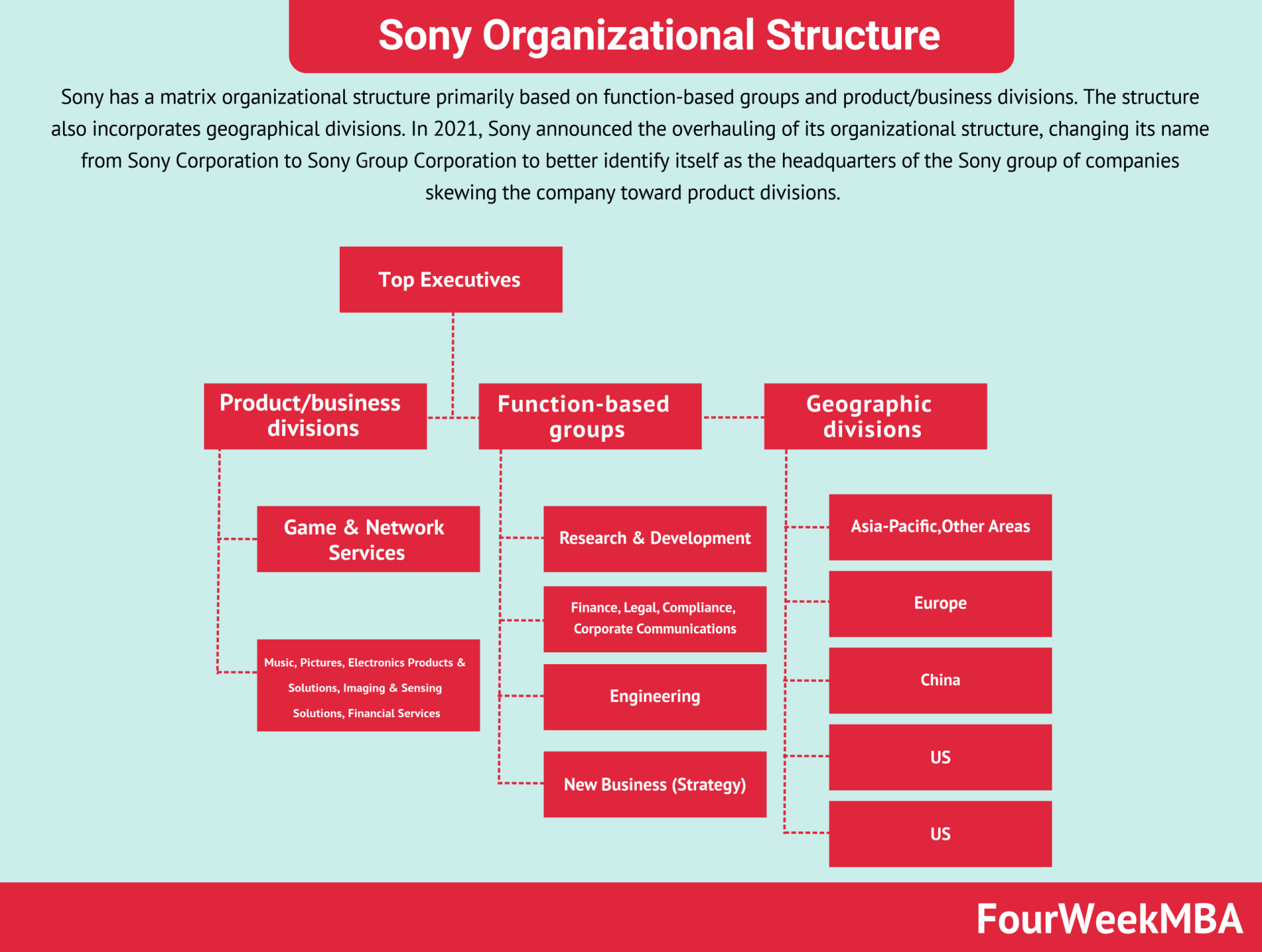
Read Next: Organizational Structure.
Types of Organizational Structures

Siloed Organizational Structures
Functional

Divisional

Open Organizational Structures
Matrix

Flat

Connected Business Frameworks


Nadler-Tushman Congruence Model

McKinsey’s Seven Degrees of Freedom


Organizational Structure Case Studies
OpenAI Organizational Structure

Airbnb Organizational Structure

Amazon Organizational Structure

Apple Organizational Structure

Coca-Cola Organizational Structure

Costco Organizational Structure


Facebook Organizational Structure

Goldman Sachs’ Organizational Structure

Google Organizational Structure


McDonald’s Organizational Structure

McKinsey Organizational Structure

Microsoft Organizational Structure

Nestlé Organizational Structure


Patagonia Organizational Structure

Samsung Organizational Structure

Starbucks Organizational Structure

Tesla Organizational Structure

Toyota Organizational Structure

Walmart Organizational Structure

Main Free Guides:


