
In the realm of organizational management and design, the concept of a projectized organization has gained prominence as a dynamic and responsive approach to project management. Unlike traditional hierarchical structures, projectized organizations prioritize project teams and matrix structures, where employees are temporarily assigned to projects rather than having permanent roles in functional departments.
Introduction to Projectized Organization
A projectized organization is an organizational structure that places a strong emphasis on project management. In this structure, projects are at the center of the organization’s operations, and most employees work on a project-by-project basis rather than having permanent functional roles. The concept of a projectized organization has gained traction in industries where project work is the primary mode of delivering products or services.
Projectized organizations are characterized by several key features:
- Project Teams: Employees are organized into project teams, often consisting of cross-functional members who collaborate to complete a specific project.
- Temporary Assignments: Employees are temporarily assigned to projects and return to a resource pool or are assigned to new projects once a project is completed.
- Project Managers: Project managers play a central role in projectized organizations, overseeing project planning, execution, and control.
- Resource Allocation: Resource allocation is dynamic, with individuals allocated to projects based on project needs and their skills and expertise.
- Project Management Office (PMO): Many projectized organizations have a dedicated PMO that provides project management support, standards, and methodologies.
What is Departmentalization?
Departmentalization refers to the process of dividing an organization into different departments, each tasked with specific functions or activities. This structural approach allows for specialization, efficient management, and clear delineation of responsibilities within the organization.
Key Characteristics of Departmentalization
- Division of Labor: Segmentation of tasks and functions into distinct departments.
- Specialization: Each department focuses on specific activities or functions.
- Coordination: Mechanisms to ensure effective coordination and communication among departments.
- Hierarchy: Clear hierarchical structure with defined reporting relationships.
Importance of Understanding Departmentalization
Understanding and implementing departmentalization is crucial for enhancing organizational efficiency, improving specialization, and ensuring effective coordination.
Enhancing Organizational Efficiency
- Streamlined Operations: Clear division of tasks leads to streamlined operations.
- Resource Optimization: Optimal use of resources through specialized departments.
Improving Specialization
- Expertise Development: Departments focus on specific areas, developing expertise and proficiency.
- Quality Improvement: Specialization leads to higher quality of work and improved outcomes.
Ensuring Effective Coordination
- Clear Responsibilities: Defined roles and responsibilities enhance accountability.
- Better Communication: Structured communication channels improve coordination among departments.
Types of Departmentalization
Departmentalization can be implemented in various ways, depending on the organization’s goals, structure, and activities. The main types include:
1. Functional Departmentalization
- Based on Functions: Division based on specific functions such as marketing, finance, human resources, and production.
- Advantages: Specialization, efficiency, and clear functional expertise.
2. Product Departmentalization
- Based on Products: Division based on different products or product lines.
- Advantages: Focus on product development, marketing, and customer satisfaction for specific product lines.
3. Geographic Departmentalization
- Based on Geography: Division based on geographic regions or territories.
- Advantages: Localized management, responsiveness to regional markets, and better customer service.
4. Customer Departmentalization
- Based on Customers: Division based on different customer groups or segments.
- Advantages: Tailored services and products to meet the specific needs of different customer segments.
5. Process Departmentalization
- Based on Processes: Division based on different processes or stages in the production or service delivery.
- Advantages: Efficient workflow management, process specialization, and quality control.
6. Matrix Departmentalization
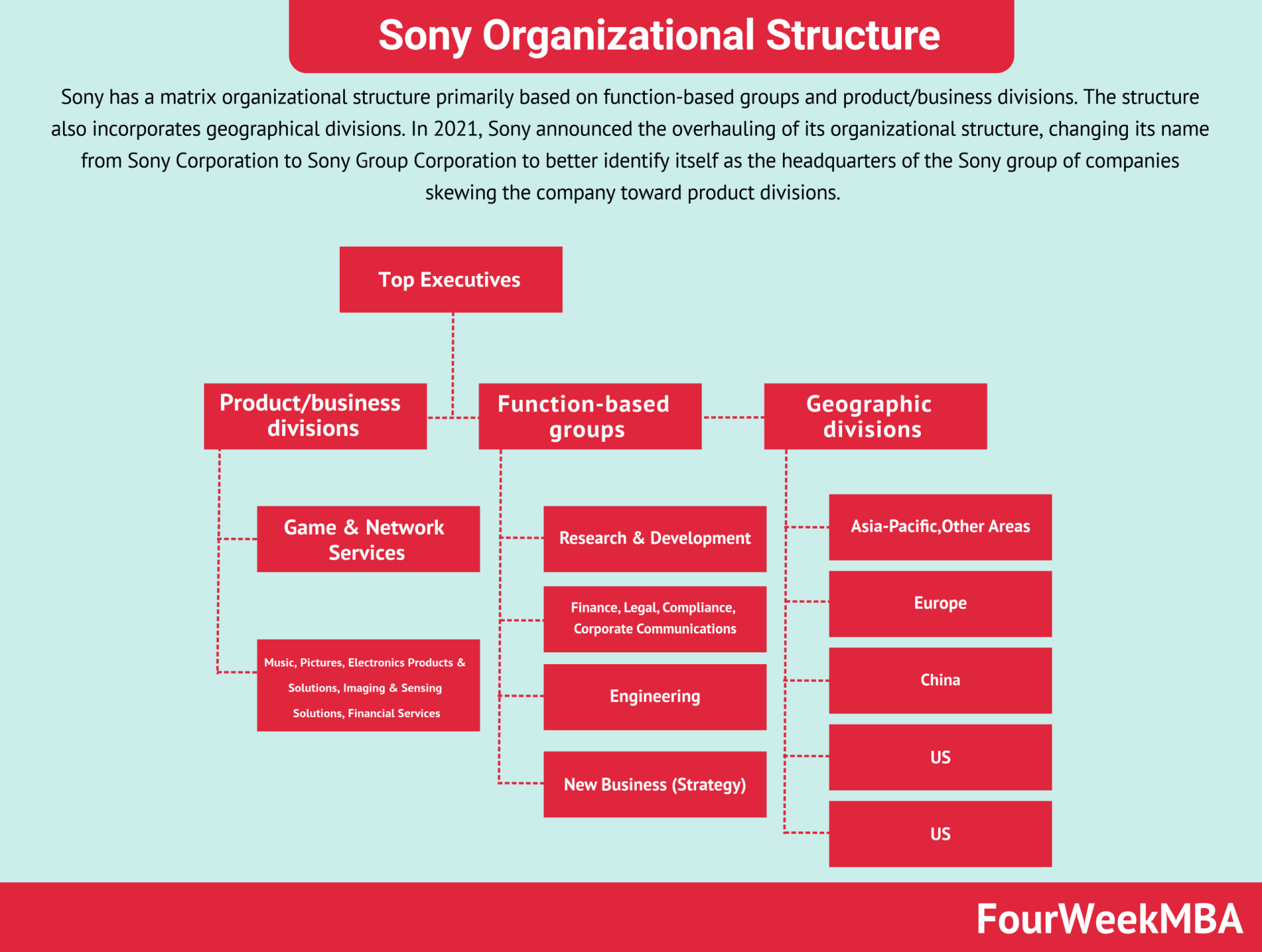
- Combining Types: A hybrid approach that combines two or more types of departmentalization, such as functional and product.
- Advantages: Flexibility, balanced decision-making, and better resource utilization.
Implementation Methods for Departmentalization
Several methods can be used to implement departmentalization effectively, each offering different strategies and tools.
1. Planning and Design
- Organizational Goals: Align departmentalization with organizational goals and strategy.
- Design Framework: Design the departmental structure, considering the types and their specific advantages.
2. Role Definition
- Clear Roles: Define roles and responsibilities for each department and position.
- Job Descriptions: Develop detailed job descriptions to clarify expectations and requirements.
3. Communication and Coordination
- Communication Channels: Establish effective communication channels among departments.
- Coordination Mechanisms: Implement coordination mechanisms to ensure collaboration and integration.
4. Training and Development
- Skill Development: Provide training and development programs to equip staff with the necessary skills.
- Continuous Learning: Promote a culture of continuous learning and improvement.
5. Monitoring and Evaluation
- Performance Metrics: Develop and track performance metrics to measure the effectiveness of departmentalization.
- Feedback Mechanisms: Establish feedback mechanisms to gather input and make improvements.
Benefits of Departmentalization
Implementing departmentalization offers numerous benefits, enhancing organizational efficiency, improving specialization, and ensuring effective coordination.
Enhanced Organizational Efficiency
- Streamlined Operations: Clear division of tasks leads to streamlined operations.
- Resource Optimization: Optimal use of resources through specialized departments.
Improved Specialization
- Expertise Development: Departments focus on specific areas, developing expertise and proficiency.
- Quality Improvement: Specialization leads to higher quality of work and improved outcomes.
Better Coordination and Communication
- Clear Responsibilities: Defined roles and responsibilities enhance accountability.
- Structured Communication: Structured communication channels improve coordination among departments.
Increased Flexibility
- Adaptability: Departments can adapt to changes and challenges within their specific areas.
- Scalability: The organizational structure can be scaled to accommodate growth and expansion.
Challenges of Implementing Departmentalization
Despite its benefits, implementing departmentalization presents several challenges that need to be managed for successful implementation.
Resistance to Change
- Cultural Barriers: Overcoming cultural resistance to change within the organization.
- Behavioral Change: Encouraging behavioral changes to support the new departmental structure.
Coordination Issues
- Silos: Risk of departments becoming isolated and working in silos.
- Interdepartmental Conflict: Potential for conflict between departments with differing goals and priorities.
Resource Allocation
- Balancing Resources: Ensuring balanced allocation of resources among departments.
- Resource Competition: Managing competition for resources among departments.
Maintaining Flexibility
- Rigid Structure: Risk of creating a rigid structure that hinders flexibility and innovation.
- Adaptability: Ensuring the structure remains adaptable to changes and challenges.
Best Practices for Implementing Departmentalization
Implementing best practices can help effectively manage and overcome challenges, maximizing the benefits of departmentalization.
Foster a Collaborative Culture
- Inclusive Culture: Promote an inclusive culture that values collaboration and mutual support.
- Interdepartmental Collaboration: Encourage collaboration and communication among departments.
Enhance Communication
- Transparent Communication: Maintain transparent communication to build trust and reduce uncertainty.
- Regular Updates: Provide regular updates on departmental activities and progress.
Align Goals and Incentives
- Unified Goals: Ensure that departmental goals and objectives are aligned with organizational goals.
- Aligned Incentives: Align incentives and rewards with collaborative behavior and achievements.
Promote Leadership and Vision
- Strategic Leadership: Encourage strategic leadership to oversee departmental activities and coordination.
- Clear Vision: Develop and communicate a clear and unified vision for the organization.
Implement Robust Governance
- Governance Structure: Establish a strong governance structure to oversee departmental activities.
- Performance Metrics: Develop and track performance metrics to measure the success of departmentalization.
Future Trends in Departmentalization
Several trends are likely to shape the future of departmentalization and its applications.
Digital Transformation
- Automation: Leveraging automation to enhance efficiency and reduce manual work.
- Artificial Intelligence: Implementing AI to support decision-making and improve departmental operations.
Data Analytics
- Data-Driven Insights: Using data analytics to gain insights into departmental performance and areas for improvement.
- Predictive Analytics: Employing predictive analytics to anticipate and address future needs.
Globalization
- Global Departments: Developing global departments to support international operations.
- Cross-Border Collaboration: Enhancing cross-border collaboration and integration.
Sustainability
- Green Practices: Promoting sustainable practices within departmental operations.
- Resource Efficiency: Focusing on resource efficiency and environmental impact reduction.
Agile Methodologies
- Agile Practices: Implementing agile methodologies to enhance flexibility and responsiveness.
- Iterative Processes: Using iterative processes to continuously improve and adapt departmental operations.
Conclusion
Departmentalization is a fundamental organizational strategy that involves dividing an organization into distinct departments, each focusing on specific functions or activities. By understanding the key types, implementation methods, benefits, and challenges of departmentalization, organizations can develop effective strategies to enhance efficiency, improve specialization, and ensure effective coordination. Implementing best practices such as fostering a collaborative culture, enhancing communication, aligning goals and incentives, promoting leadership and vision, and implementing robust governance can help maximize the benefits of departmentalization.
Read Next: Organizational Structure.
Types of Organizational Structures

Siloed Organizational Structures
Functional

Divisional

Open Organizational Structures
Matrix

Flat

Connected Business Frameworks


Nadler-Tushman Congruence Model

McKinsey’s Seven Degrees of Freedom


Organizational Structure Case Studies
OpenAI Organizational Structure

Airbnb Organizational Structure

Amazon Organizational Structure

Apple Organizational Structure

Coca-Cola Organizational Structure

Costco Organizational Structure


Facebook Organizational Structure

Goldman Sachs’ Organizational Structure

Google Organizational Structure


McDonald’s Organizational Structure

McKinsey Organizational Structure

Microsoft Organizational Structure

Nestlé Organizational Structure


Patagonia Organizational Structure

Samsung Organizational Structure

Starbucks Organizational Structure

Tesla Organizational Structure

Toyota Organizational Structure

Walmart Organizational Structure

Main Free Guides:
- Business Models
- Business Strategy
- Business Development
- Digital Business Models
- Distribution Channels
- Marketing Strategy
- Platform Business Models
- Revenue Models
- Tech Business Models


