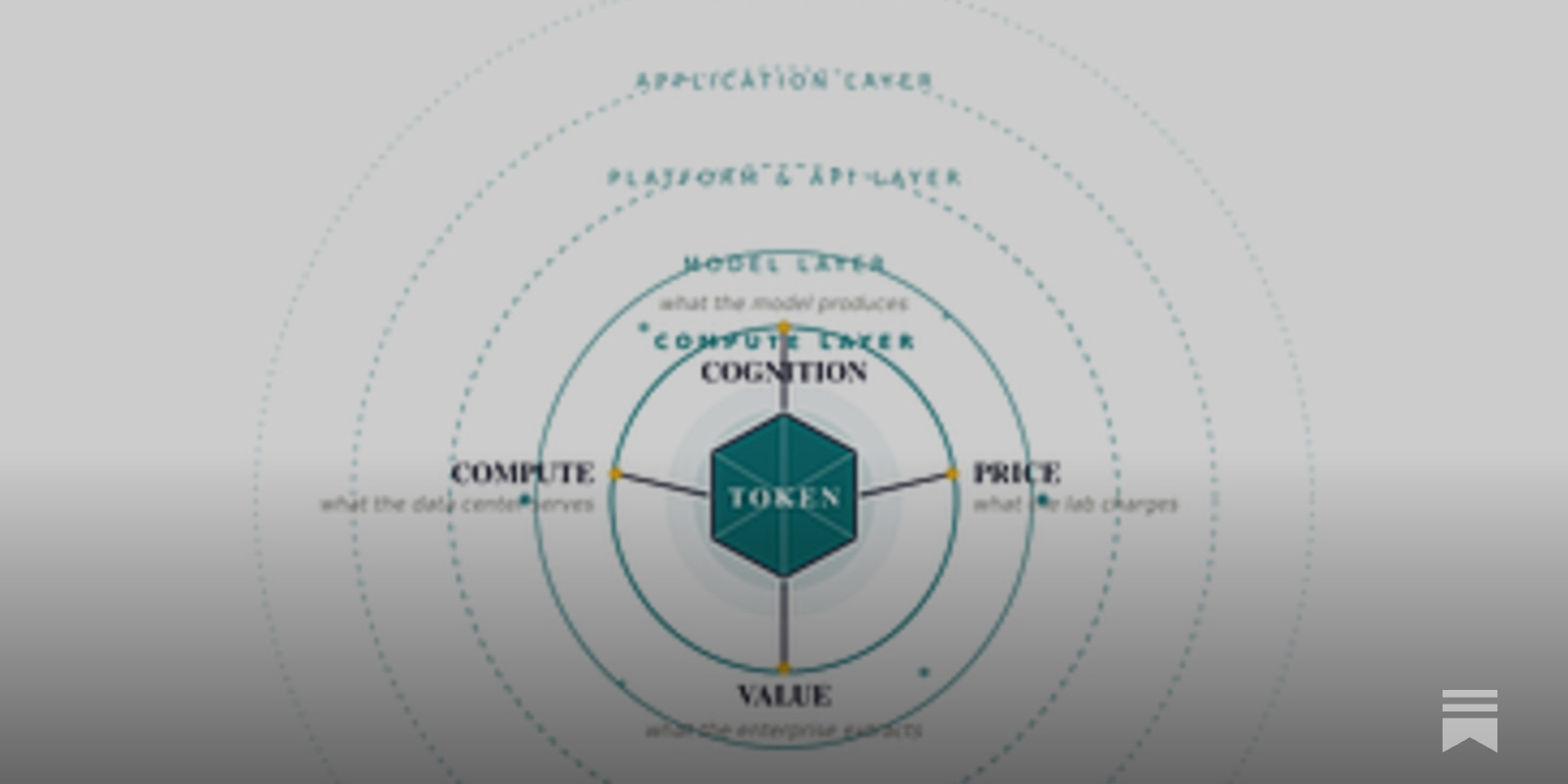
Microsoft’s new token-based AI pricingmodel could capture $50 billion in annual revenue by 2027, fundamentally reshaping how enterprisesoftware generates income and posing the biggest threat to Google’s $280 billion advertising empire in over a decade.
The Redmond-based tech giant is quietly transitioning from traditional per-seat licensing to computational token systems across Office 365, Azure, and Windows. Instead of paying $22.50 per user monthly for Microsoft 365, enterprise customers now purchase AI tokens that power everything from document creation to data analysis.
This shift transforms Microsoft from a software licensor into an AI utility provider. Companies like JPMorgan Chase and Walmart are already piloting token-based systems where 10,000 AI operations cost approximately $100, compared to unlimited usage under previous seat-based models.
Microsoft’s strategy directly challenges Google’s core business model by embedding AI capabilities where knowledge workers spend 8+ hours daily. Rather than searching Google for information, users increasingly rely on AI assistants within Word, Excel, and Teams.
Google generated $162.5 billion from search advertising in 2023, but Microsoft’s integration threatens this revenue stream. When AI answers appear directly in productivity applications, users bypass traditional web searches that generate advertising revenue for Alphabet.
According to analysis by The Business Engineer, token-based pricing creates stronger customer lock-in than traditional SaaS subscriptions. Organizations that invest heavily in AI tokens become dependent on Microsoft’s ecosystem, making switching costs prohibitively expensive.
Competitive Response Emerging
Amazon Web Services is developing similar token systems for its Bedrock AI platform, while Google Cloud introduced vertex AI tokens priced at $0.0025 per 1,000 characters processed. However, Microsoft maintains a crucial advantage through its dominant productivity software installed on 1.4 billion devices worldwide.
The token model also enables dynamic pricing based on computational complexity. Simple tasks like email summarization consume fewer tokens than complex financial modeling, allowing Microsoft to capture more value from high-compute customers.
Enterprise customers report 23% higher AI adoption rates when using token-based systems compared to flat-fee alternatives, suggesting Microsoft’s approach aligns better with actual usage patterns.
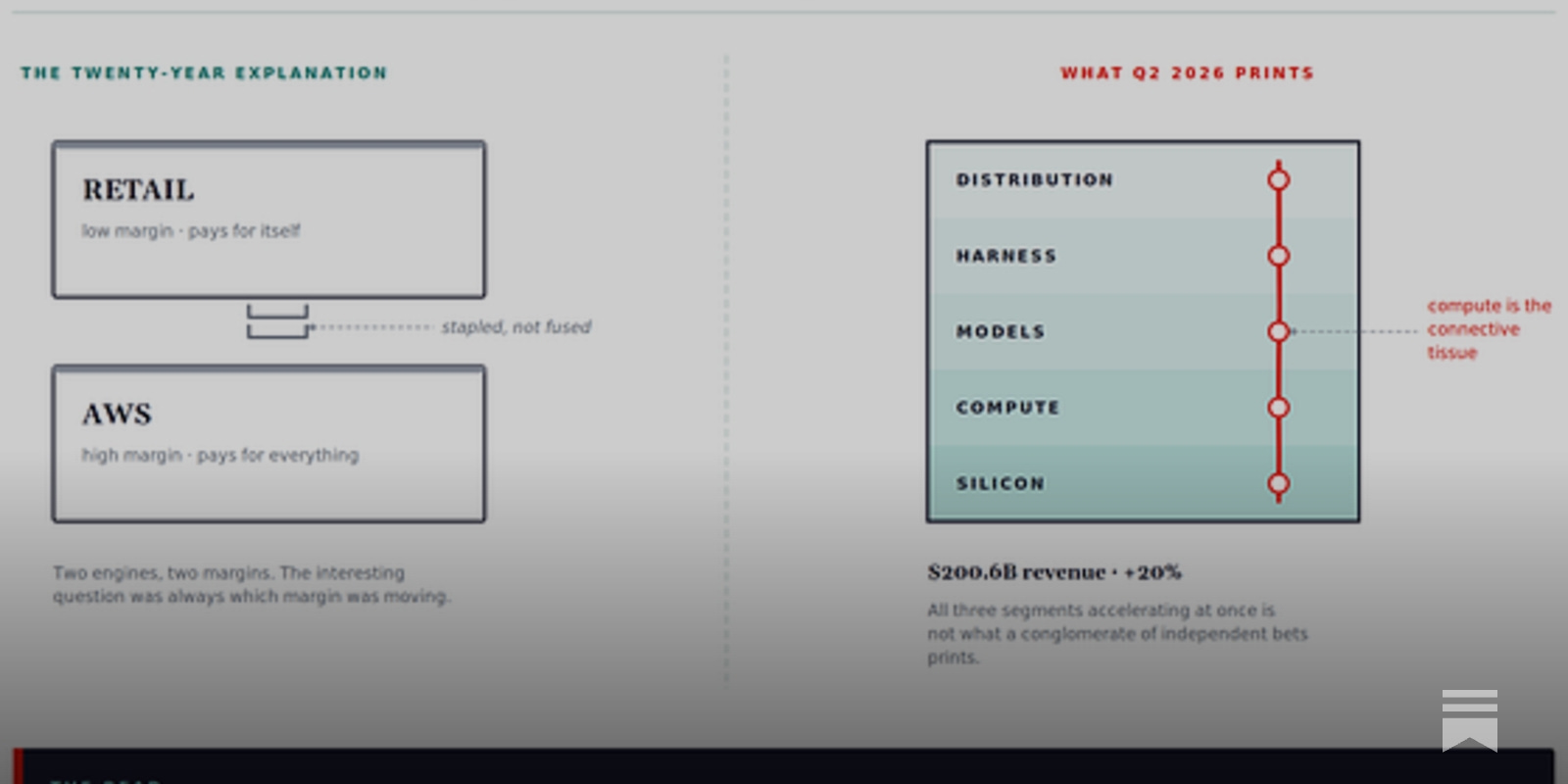
Microsoft’s Azure OpenAI services already operate on token-based pricing, generating an estimated $3.2 billion annually. Expanding this model to Office 365’s 400 million users could multiply revenue per customer by 3-5x within three years.
The strategic implications extend beyond pricing. Token scarcity creates artificial constraints that encourage customers to optimize AI usage, potentially reducing Microsoft’s computational costs while maintaining revenuegrowth.
As enterprises increasingly view AI as essential infrastructure — as explored in the economics of AI compute infrastructure — rather than optional software, will Google’s advertising-supported model survive against Microsoft’s pay-per-computation approach that directly monetizes productivity gains?
FULL ANALYSIS
Read the Complete Deep Dive
This article is based on a comprehensive analysis by The Business Engineer. Get the full breakdown with charts, data, and strategic frameworks.
Gennaro is the creator of FourWeekMBA, which reached about four million business people, comprising C-level executives, investors, analysts, product managers, and aspiring digital entrepreneurs in 2022 alone | He is also Director of Sales for a high-tech scaleup in the AI Industry | In 2012, Gennaro earned an International MBA with emphasis on Corporate Finance and Business Strategy.
Scroll to Top
Discover more from FourWeekMBA
Subscribe now to keep reading and get access to the full archive.